Fujiwara Yasuhiko: A Dento Kogeishi Master Preserving Miki’s Blacksmith Legacy
In modern kitchens filled with precision equipment and mass-produced tools, authentic craftsmanship stands apart immediately. True hand-forged Japanese kitchen knives carry a depth of intention that cannot be replicated by machines—an understanding of steel, balance, and use refined over generations.
Fujiwara Yasuhiko is one of the few artisans officially entrusted with preserving this legacy. Recognized as a Dento Kogeishi (Traditional Master Craftsman) by the Japanese government, Fujiwara represents the highest level of traditional blacksmithing skill—applied today to handcrafted Japanese kitchen knives rooted in function, longevity, and restraint.
What Is a Dento Kogeishi — and Why It Matters Today
A Living Certification of Mastery
The title Dento Kogeishi is awarded only to craftsmen who meet strict criteria established by Japan’s Ministry of Economy, Trade and Industry. It is not symbolic—it is a professional certification that confirms:
- Decades of hands-on forging experience
- Mastery of region-specific traditional techniques
- Commitment to preserving historical production methods
- Active contribution to passing skills to future generations
For chefs, collectors, and serious home cooks, this designation offers rare assurance: the knives produced are not interpretations of tradition, but direct continuations of it.
Miki City: Where Utility and Precision Were Perfected
Nestled in Hyōgo Prefecture, Miki has been a center of Japanese blacksmithing for more than 400 years. Unlike regions known primarily for ceremonial or luxury blades, Miki’s reputation was forged through working tools—knives and implements built for daily professional use.
The philosophy of Miki craftsmanship emphasizes:
- Practical cutting performance
- Ease of sharpening
- Structural durability
- Comfort during long hours of use
Fujiwara Yasuhiko continues this lineage by forging kitchen knives that prioritize how they are used, not how they look in a display case.
Explore Fujiwara Yasuhiko Knives
Fujiwara Yasuhiko’s Approach to Traditional Japanese Kitchen Knives
Forging with Purpose, Not Excess
Fujiwara’s kitchen knives reflect a quiet discipline. Rather than chasing trends or decorative finishes, his work focuses on fundamentals that matter most in real kitchens:
- Carefully selected carbon steels
- Traditional heat treatment guided by experience rather than automation
- Balanced blade geometry for controlled cutting
- Finishing that supports sharpening and maintenance
Every knife is forged individually, shaped by hammer and fire, then inspected by the craftsman himself. The result is a blade that feels deliberate, honest, and dependable.
Traditional Techniques Still Guiding Modern Knives
Despite access to modern manufacturing, Fujiwara maintains time-honored methods:
- Coal-fired forging
- Manual hammer shaping
- Water quenching based on temperature judgment
- Hand grinding and edge setting
These processes create kitchen knives that sharpen cleanly, develop character with use, and remain stable over decades—qualities prized by professional chefs and experienced home cooks alike.
Why Fujiwara’s Kitchen Knives Excel in Real-World Cooking
Fujiwara Yasuhiko’s knives are not designed for novelty—they are designed for repetition. In busy kitchens, consistency and reliability matter more than flash.
Ideal For:
- Precision vegetable work
- Clean protein slicing
- Long prep sessions requiring balance and control
- Cooks who sharpen and maintain their own knives
The blades reward proper technique and improve over time, making them especially appealing to cooks who value skill development alongside performance.
How to Identify an Authentic Hand-Forged Fujiwara Kitchen Knife
Key Characteristics to Look For
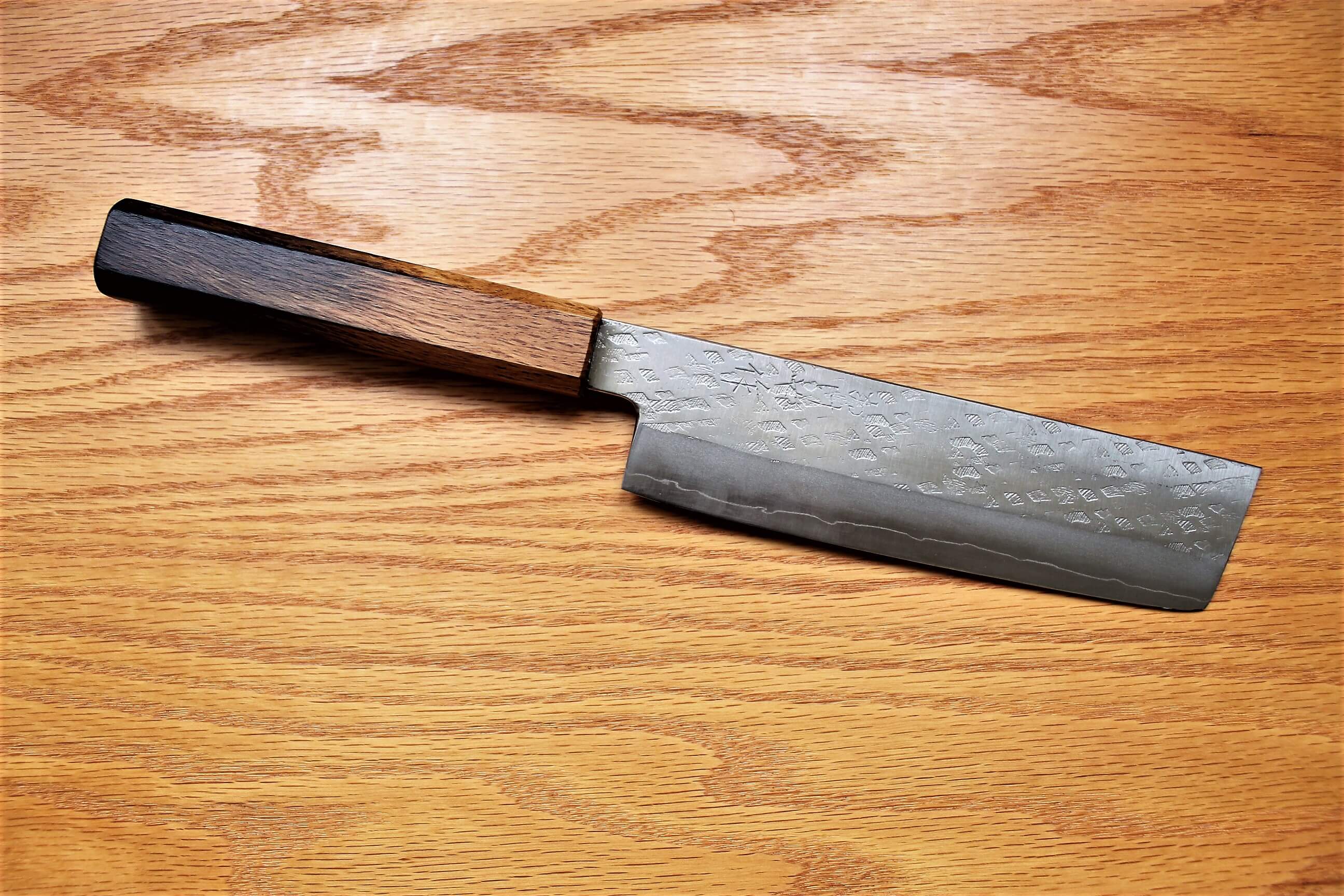
- Subtle forging marks rather than uniform finishes
- Variations that reflect handwork, not defects
- Balanced weight without unnecessary thickness
- Transparent sourcing from knowledgeable sellers
Authentic knives from traditional blacksmiths are never identical—and that individuality is part of their value.
Care and Longevity
To preserve performance:
- Dry immediately after use
- Avoid dishwashers and soaking
- Sharpen regularly on whetstones
- Allow natural patina to form on carbon steel
With mindful care, a Fujiwara kitchen knife becomes a long-term companion rather than a disposable tool.
Supporting Living Craft Through Intentional Choice
When you choose a knife made by a Dento Kogeishi, you are supporting more than a workshop—you are sustaining a living craft tradition. These skills exist only as long as artisans continue to practice them.
At Hasu-Seizo, our mission is to connect cooks with craftsmen whose work embodies cultural continuity, functional excellence, and respect for materials.
A Kitchen Knife That Carries Miki’s Legacy
Fujiwara Yasuhiko’s kitchen knives represent the quiet strength of Japanese craftsmanship—unadorned, precise, and deeply intentional. They are tools shaped by history yet perfectly suited to modern kitchens.
For those seeking handcrafted Japanese blades rooted in tradition and built for real use, Fujiwara’s work offers an enduring connection to Miki’s blacksmith legacy.