Shirogami #1 vs Shirogami #2 vs Shirogami #3: A Complete Breakdown
Among Japanese knife enthusiasts, few materials inspire as much respect as Shirogami steel. Known for its purity, extreme sharpness, and unmatched sharpening feedback, White Paper Steel has been the foundation of traditional Japanese blades for generations.
But within this revered category lie three distinct types—Shirogami #1, #2, and #3—each offering a different balance of sharpness, control, and forgiveness.
If you’ve ever wondered which one is right for your kitchen, this complete shirogami steel comparison will give you the clarity you need.
What Is Shirogami Steel? (White Paper Steel Explained)
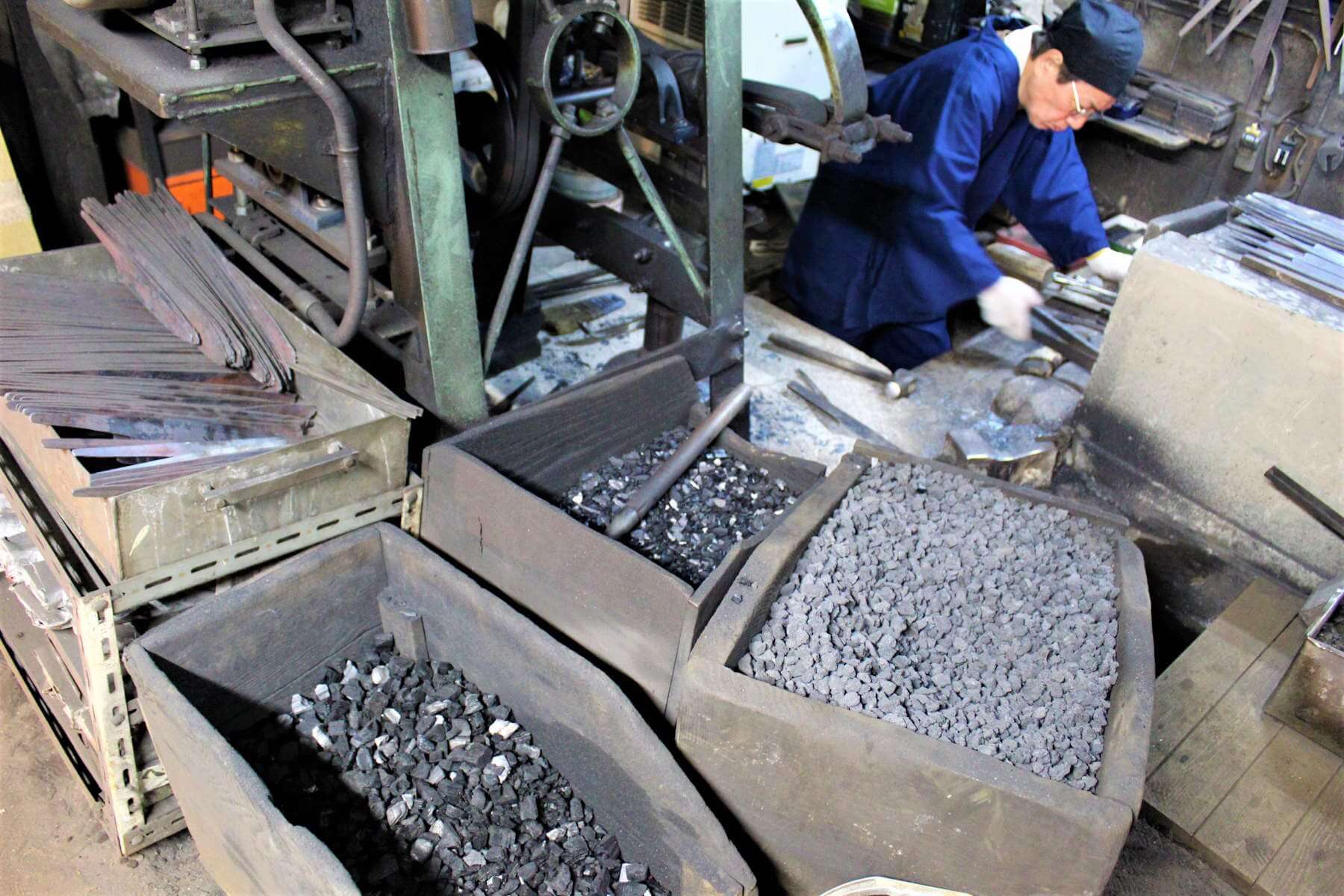
Shirogami, or White Paper Steel, is a high-carbon steel produced with exceptional purity. Unlike modern alloy steels, it contains no added chromium, vanadium, or molybdenum, allowing the steel’s natural structure to shine.
This purity delivers:
- Incredibly fine grain structure
- Razor-sharp edges
- Clear, tactile sharpening feedback
Because of this, Shirogami steel is often considered the purest expression of a blacksmith’s skill.
Understanding the Differences Between Shirogami Steel Types
Shirogami #1: Maximum Sharpness Potential
Shirogami #1 has the highest carbon content of the three. This allows it to reach extreme hardness and produce an edge that feels almost weightless through food.
Strengths
- Exceptional sharpness
- Clean, precise cuts
- Ideal for fine vegetable and protein work
Trade-Offs
- More brittle than #2 or #3
- Requires refined sharpening technique
Best For:
Highly experienced chefs, knife purists, and sharpening enthusiasts.
Shirogami #2: The Gold Standard Balance
Shirogami #2 is the most widely used and most versatile of the white steel types. It balances edge performance with durability, making it the benchmark for traditional Japanese kitchen knives.
Strengths
- Outstanding sharpness
- More forgiving than #1
- Easier to maintain
Trade-Offs
- Slightly less maximum sharpness than #1
Best For:
Professional chefs, serious home cooks, and first-time carbon steel users.
Shirogami #3: Forgiving and Approachable
Shirogami #3 has the lowest carbon content, resulting in a softer, more forgiving steel that prioritizes ease of use over ultimate sharpness.
Strengths
- Tougher edge
- Lower chipping risk
- Easy sharpening
Trade-Offs
- Less edge retention
- Reduced peak sharpness
Best For:
Aspiring chefs and those new to Japanese carbon steel knives.
Side-by-Side Comparison: Shirogami #1 vs #2 vs #3
| Attribute | #1 | #2 | #3 |
|---|---|---|---|
| Sharpness | ★★★★★ | ★★★★☆ | ★★★☆☆ |
| Toughness | ★★☆☆☆ | ★★★★☆ | ★★★★★ |
| Skill Level Required | Expert | Intermediate–Advanced | Beginner–Intermediate |
How Each Shirogami Steel Feels in Real-World Use
Professional Kitchens
- #1 excels in precision prep and fine slicing
- #2 dominates as an all-around workhorse
- #3 handles high-volume prep with less risk
Home & Enthusiast Use
- #2 offers the best balance of joy and reliability
- #3 builds confidence with carbon steel
- #1 rewards meticulous technique
Sharpening, Maintenance, and Patina Considerations
All shirogami steel types:
- Sharpen quickly on whetstones
- Develop a natural patina
- Require wiping and drying after use
However:
- #1 demands the most precision
- #2 offers the most satisfying feedback
- #3 is the most forgiving during mistakes
This makes Shirogami an excellent teacher of sharpening fundamentals.
Which Shirogami Steel Is Right for You?
Choose Shirogami #1 if:
- You chase ultimate sharpness
- You enjoy frequent sharpening
- You value precision over forgiveness
Choose Shirogami #2 if:
- You want the best overall experience
- You cook often and sharpen regularly
- You want tradition without fragility
Choose Shirogami #3 if:
- You’re new to carbon steel
- You want durability and ease
- You prioritize learning and comfort
Why Shirogami Steel Still Defines Traditional Japanese Knives
In an era of advanced alloys, shirogami steel remains relevant because it offers honest performance. Nothing is hidden. Every cut, every sharpening session reflects the skill of both the blacksmith and the user.
That purity is why generations of craftsmen—and chefs—continue to choose White Steel.
Final Thoughts
This shirogami steel comparison shows that there is no single “best” white steel—only the best one for you. Understanding these differences empowers you to choose a knife that aligns with your technique, ambition, and culinary style.