Echizen Blades: Why 700 Years of Takefu Craftsmanship Still Lead the Industry
Few regions in Japan can claim a continuous 700-year legacy of blade forging — and even fewer have influenced the global culinary world quite like Echizen. Nestled in Fukui Prefecture, the historic Takefu region has been synonymous with exceptional Japanese handmade knives since the Nanbokucho period. Today, Echizen knives remain among the most trusted tools for professional chefs, knife enthusiasts, and home cooks aiming for precision, beauty, and longevity.
This article explores why the craftsmanship of Echizen blacksmiths continues to stand at the top of the Japanese cutlery world — even after seven centuries.
A Legacy Forged in Fire — The 700-Year History of Echizen Knives
Echizen’s knife-making origins date back to the 14th century, when a traveling swordsmith named Chiyotsuru Kuniyasu settled in the region and began forging sickles for farmers. The quality of his work quickly gained local and national attention, establishing a foundation for what would become one of Japan’s most respected blacksmithing traditions.
Over the centuries, Echizen blades gained a reputation for:
- Extraordinary durability
- Superior sharpness
- Reliable performance for daily work
In 1979, Echizen Uchihamono (Echizen-forged cutlery) became the first cutlery craft in Japan to receive Traditional Craft designation — a recognition of both historical significance and exceptional quality.
What Makes Echizen Blacksmiths Unique?
Mastery of Two-Piece Forging
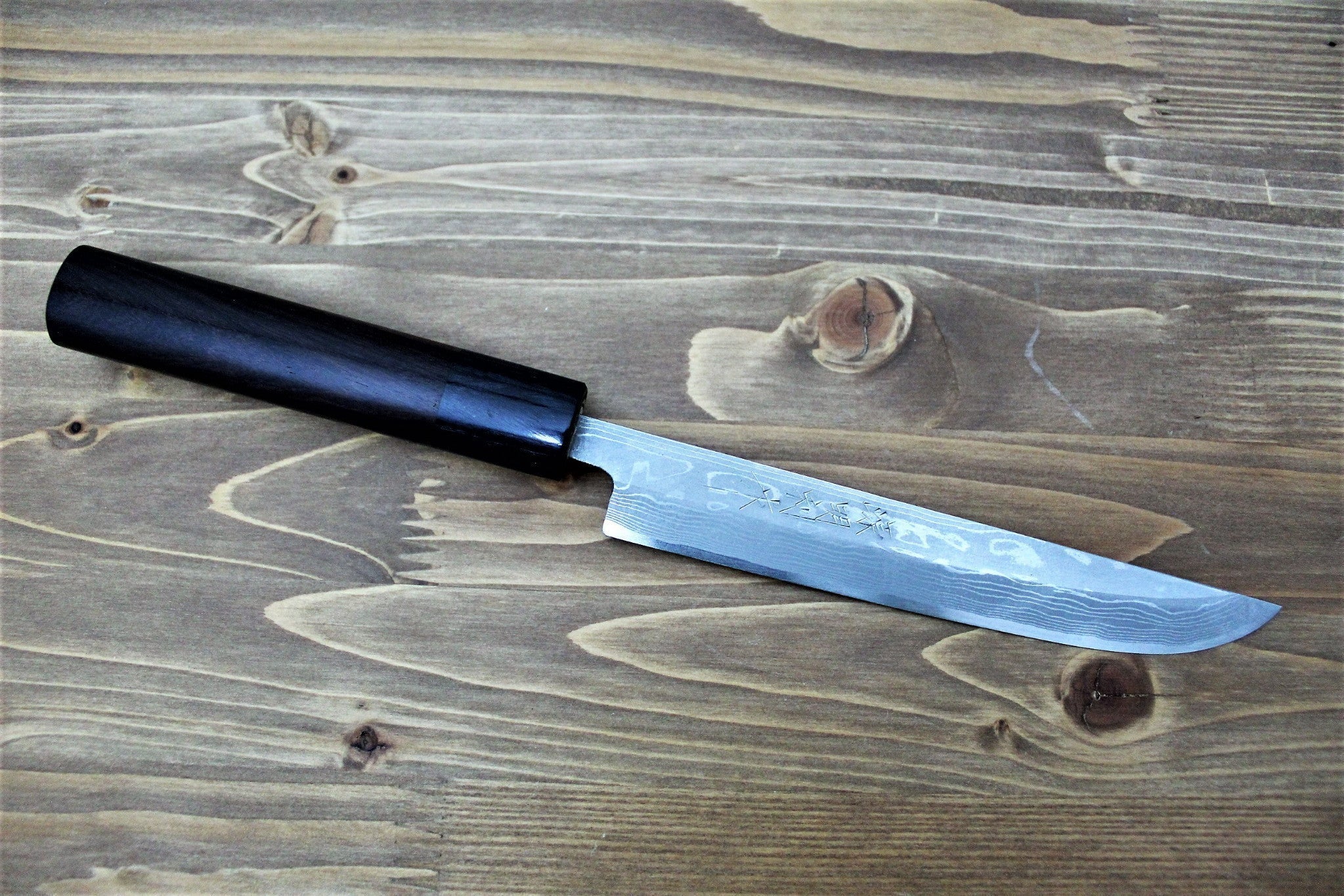
This technique bonds a hard steel core to a softer iron cladding, resulting in a blade that is extremely sharp, durable, and easy to maintain.
Unmatched Heat-Treatment Precision
Echizen artisans are known for expert heat-treatments that optimize steels such as VG-10, SG2, and Aogami Super for long-lasting performance.
Multi-Generational Knowledge Transfer
Many blacksmiths represent four to seven generations of forging tradition — a level of heritage that directly influences blade quality.
Explore artisan-crafted Echizen knives at Hasu-Seizo →
Takefu Knife Village — The Heart of Modern Japanese Handmade Knives
Takefu Knife Village is a cooperative hub that unites master blacksmiths, sharpeners, woodworkers, and apprentices. It is known worldwide as a center of both innovation and preservation. Visitors often describe it as “a living museum of Japanese craftsmanship.”
How Echizen Knives Perform in a Modern Kitchen
Sharpness You Can Feel
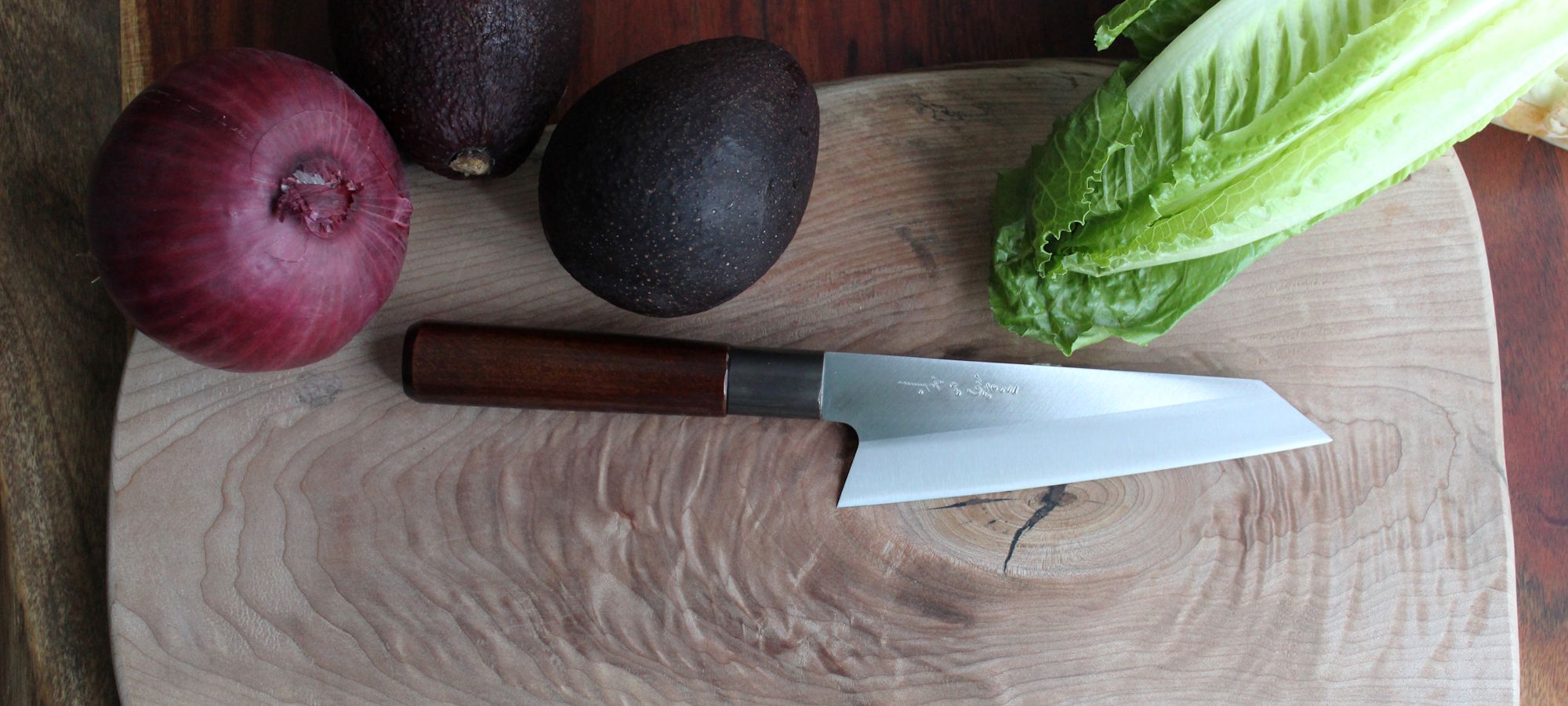
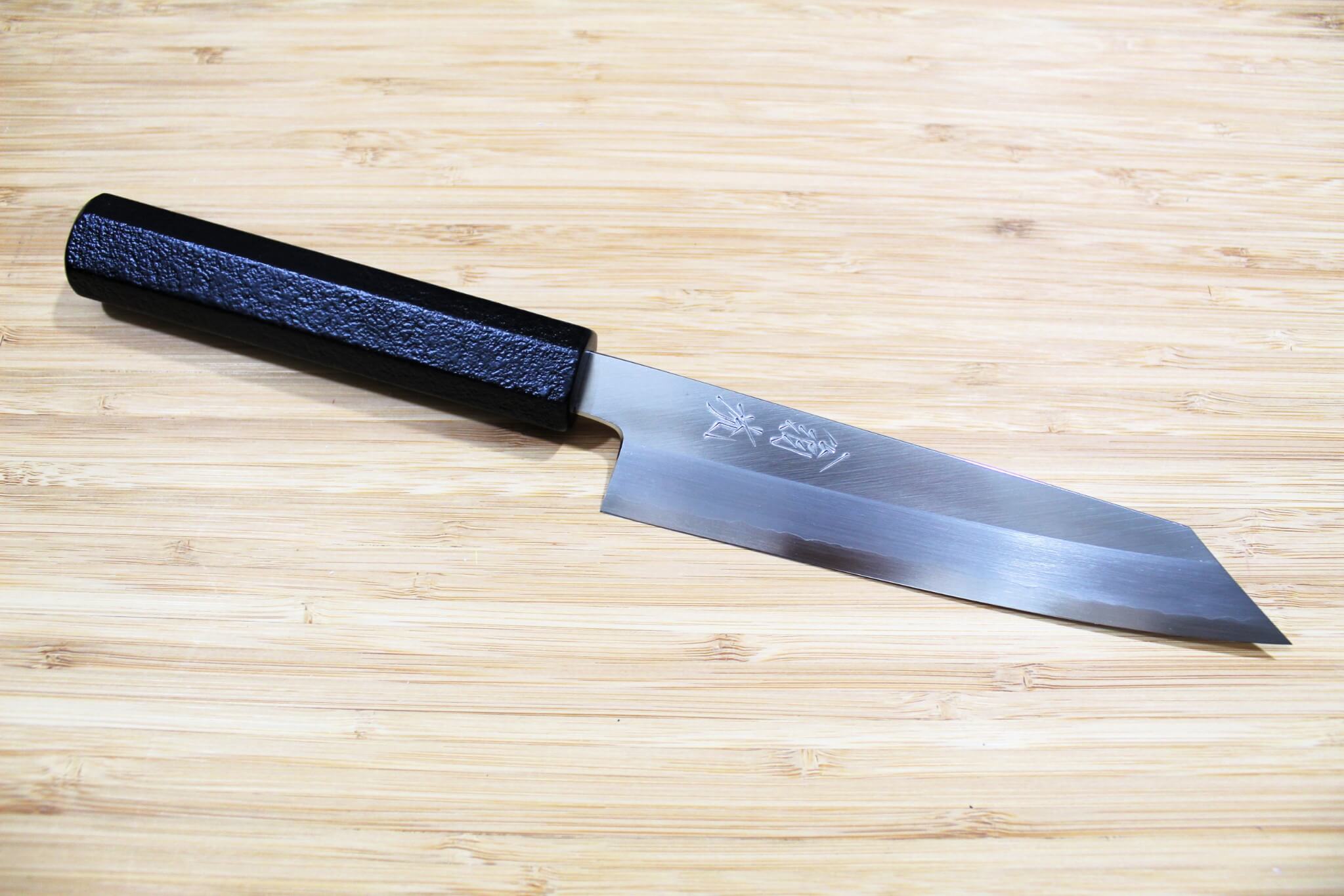
Echizen blades glide effortlessly through ingredients thanks to refined geometry and excellent forging. The Echizen region is known for thin knives, where the blades are ground down much more than other regions.
Exceptional Edge Retention
High-performance steels and precise heat-treatment give Echizen knives exceptional longevity.
Ergonomic Balance and Comfort
Handles made from Japanese woods such as walnut or ho provide natural grip and comfort.
See which Echizen blade matches your cooking style →
Why Chefs and Enthusiasts Prefer Echizen Handmade Knives
Blades Built for Professional Performance
These are knives created for relentless daily use — balancing strength, sharpness, and consistency.
Versatility for Home Cooks
Echizen knives offer a gentle learning curve while delivering professional-level cutting results.
The Artisan Touch
Each blade is handmade, carrying unique variations and character — true hallmarks of authentic craftsmanship.
How to Choose the Right Echizen Knife
- Gyuto: All-purpose chef knife
- Santoku: Versatile and home-cook friendly
- Nakiri: Ideal for vegetables
- Petty: For small, precise tasks
Popular steel options: VG-10, SG2 powder steel, Aogami Super
Where Tradition Meets Innovation — Echizen’s Continued Global Leadership
By blending traditional forging with modern metallurgy, Echizen artisans maintain their position at the forefront of the global handmade knife industry. Powder steels, laminated structures, and refined edge geometries ensure compatibility with modern culinary demands.
Why Echizen Knives Still Stand at the Top (700 Years Later)
Echizen knives embody a perfect blend of heritage, performance, and beauty. Even after seven centuries, Echizen knives continue to lead the industry because they are forged by artisans who honor tradition while embracing innovation.
If you're seeking a handcrafted Japanese knife built to last a lifetime, an Echizen blade is an investment in both performance and history.
Shop Echizen knives — handcrafted by Japan’s most celebrated artisans →