The Master Blacksmiths of Miki City: How Hyogo Became a Knife-Making Powerhouse
Few knife-making regions in Japan hold as much quiet influence as Miki City, the historic blacksmithing town in Hyogo Prefecture. While places like Sakai and Seki often dominate the spotlight, Miki City knife makers have built a fiercely respected legacy among c
hefs, collectors, and craftsmen who know how to recognize exceptional work.
This is the story of the city’s blacksmithing traditions, the artisans who shaped it, and the knives that continue to define its identity.
Shop Authentic Miki Japan Knives
The Origins of Miki City’s Blacksmithing Legacy
Harima— the largest of the historic provinces surrounding modern-day Miki City—holds a deep cultural lineage tied to early Japanese metalwork. Ancient texts such as the Kojiki (“Records of Ancient Matters”) and the Harimakuni Fudoki (“Records of the Harima Province”), both compiled in the 8th century, reference the region’s thriving Yamato-era forges and its longstanding relationship with iron production. These early accounts, combined with the introduction of advanced blacksmithing techniques from the Korean peninsula, created the foundation upon which Miki would eventually rise as a renowned center of Japanese blacksmithing.
Several factors made Miki an ideal steelworking center:
- Strategic access to high-quality iron sand
- Proximity to trade routes in Kansai
- Growing demand for agricultural and carpentry tools
By the Edo period, Miki had become famous not only for blades, but also saws, chisels, axes, and kanna planes—all produced with methods handed down from sword-forging masters.
These skills evolved into the production of kitchen knives as Japan modernized, laying the groundwork for the Miki Japan knives we know today.
Japanese Blacksmith Traditions That Shaped Miki City
A Culture of Apprenticeship
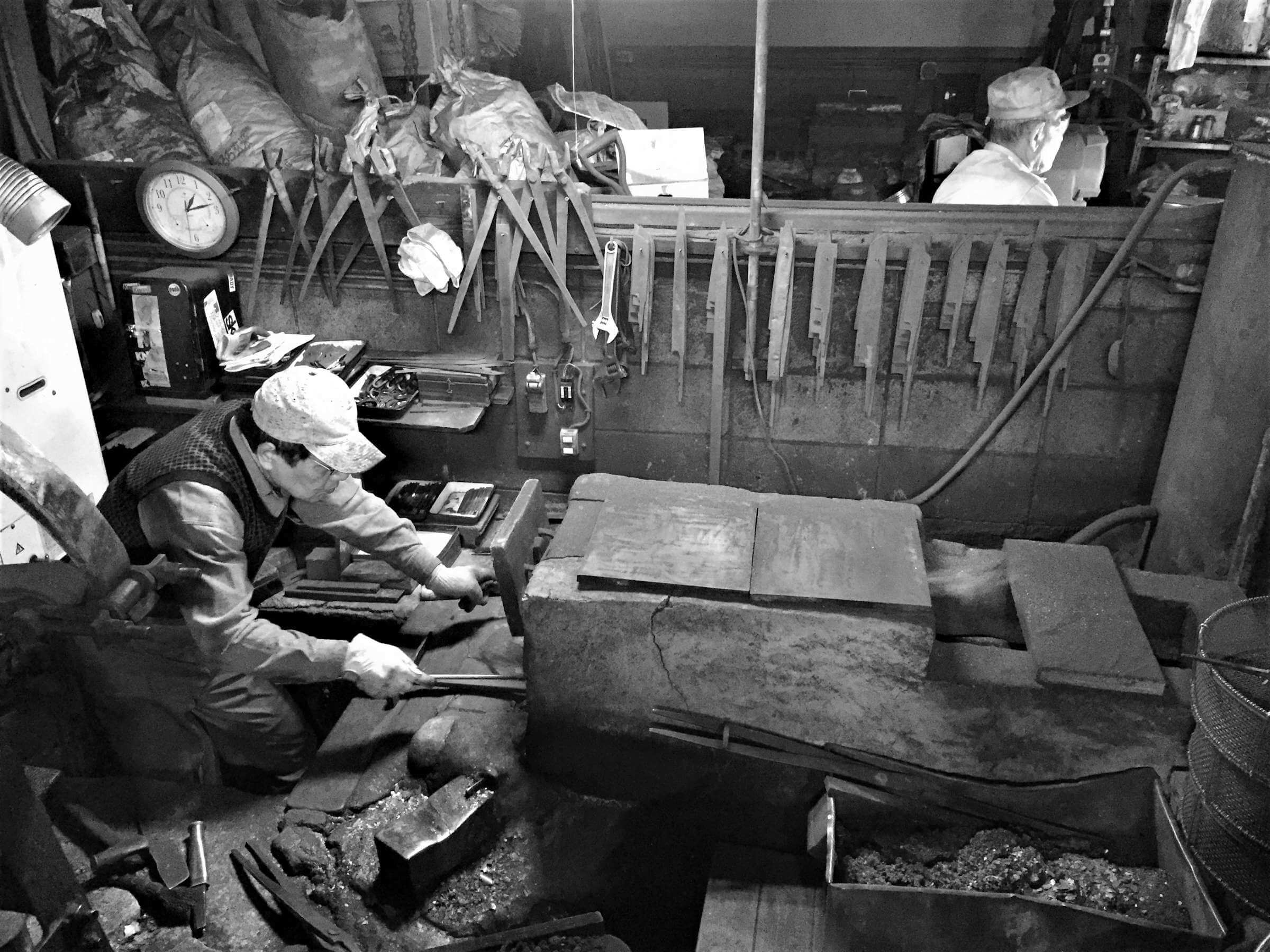
Most blacksmiths in the region train under a master for 10–15 years, learning heat control, hammer rhythm, steel tempering, and blade geometry.
Generational Workshops
Many workshops are still family-run, with techniques passed down through multiple generations.
Fusion of Tradition and Innovation
While Miki smiths honor tradition, many adopt modern steel formulations, improved heat-treat profiles, and ergonomic designs to meet today’s culinary demands.
What Makes Miki Japan Knives Unique?
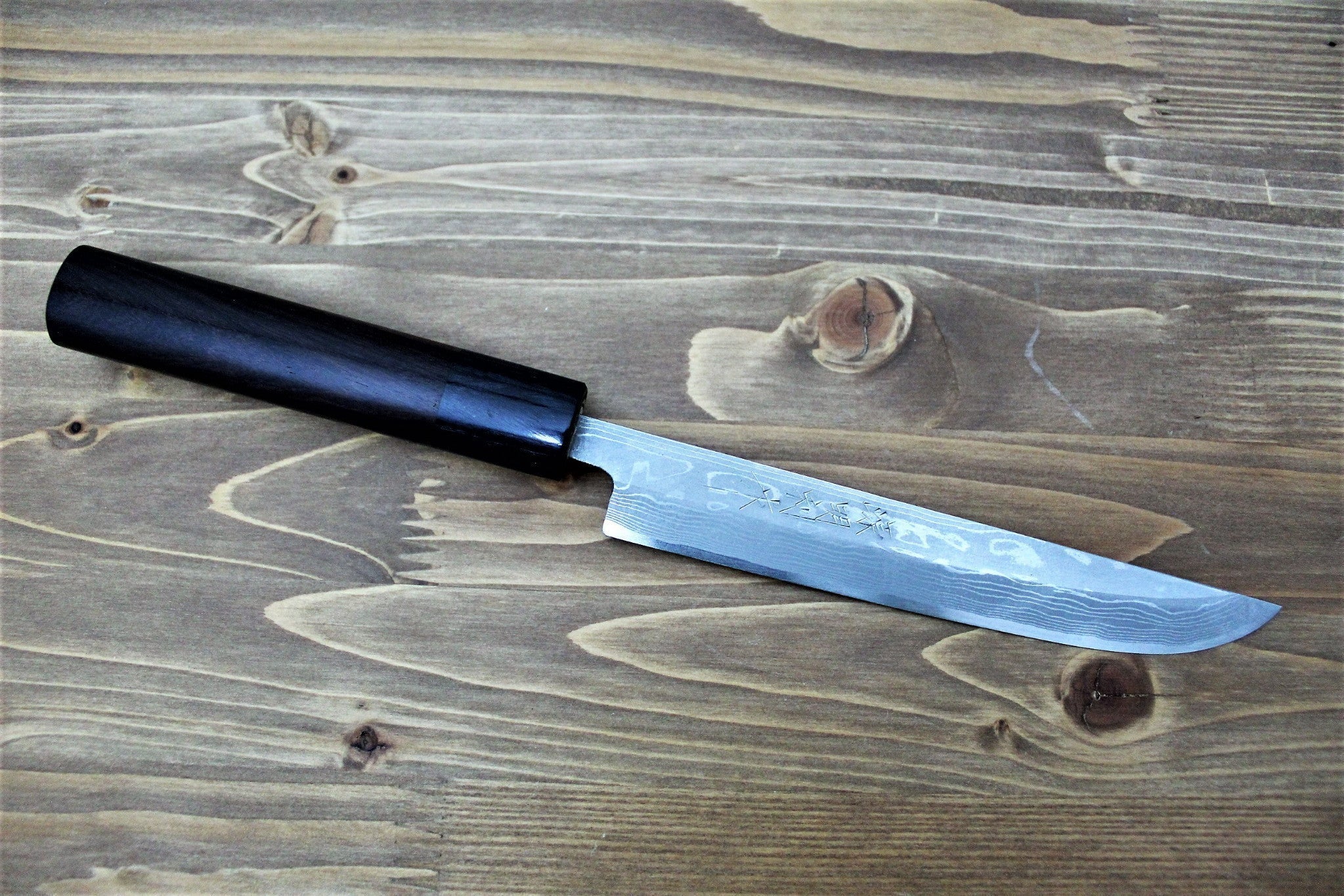
- Exceptional Heat Treatment – Miki’s heat-treating produces blades with remarkable edge retention and toughness.
- Balanced Profiles – Many Miki knives feel incredibly nimble and confident in hand.
- Strong Steel Selection – From Shirogami and Aogami steels to VG-10 and stainless-clad warikomi constructions.
- Consistency and Reliability – A favorite among chefs for dependable, everyday performance.
Explore Hand-Forged Miki Knives
The Blacksmiths of Miki City: Masters Behind the Steel
Miki City is home to some of Japan’s most talented yet understated artisans. Well-known lineages include:
- Misuzu Hamono
- Miki Hamono Seisakusho
- Shigeki Tanaka
- Nagao Kanekoma (Higonokami)
- Fujiwara Yasuhiko
- Hounen Kihan
- Fujita Marunoko
These smiths carry forward regional techniques characterized by hard, precise edges and excellent grind consistency.
How Miki City Compares to Other Knife-Making Regions
Sakai vs. Miki
Sakai focuses on refined kasumi finishes; Miki prioritizes balanced double-bevel workhorse knives.
Seki vs. Miki
Seki emphasizes stainless mass production; Miki emphasizes hand-forged and hand-finished individuality.
Echizen vs. Miki
Echizen is known for kurouchi textures; Miki for clean, balanced profiles.
Why Chefs Around the World Seek Out Miki Japan Knives
- Superior edge retention
- Everyday workhorse durability
- Light but balanced handling
- Reliable heat treatment
- Exceptional value
How to Choose a Knife From a Miki City Blacksmith
Steel: Shirogami for razor sharpness, Aogami for durability, stainless-clad for easier care.
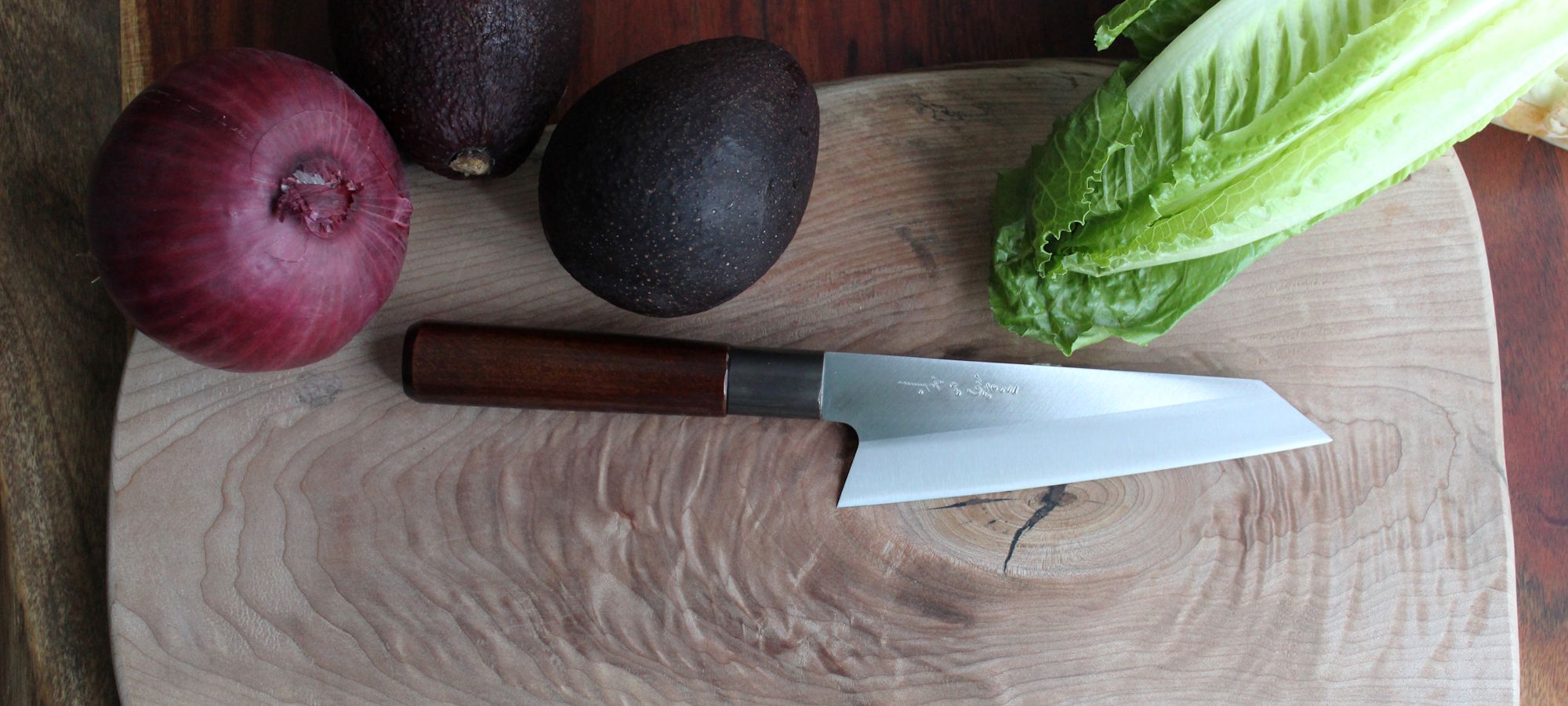
Profile: Gyuto, santoku, nakiri, petty.
Handle Style: Traditional wa-handles preferred.
Where to Buy Authentic Miki Japan Knives
At Hasu-Seizo, we source directly from Miki blacksmiths. Every knife is inspected and authenticity-guaranteed.
Miki City’s Future as a Blacksmithing Powerhouse
Miki City knife makers continue to prove that exceptional craftsmanship thrives where tradition meets innovation. Whether you’re a home cook or professional chef, a Miki knife offers reliability, sharpness, and the spirit of Hyogo’s forging heritage.