Seki Knife History: How Samurai Swordsmithing Shaped Modern Japanese Cutlery
Few places in Japan have influenced global cutlery as profoundly as Seki. Known today for producing high-quality kitchen knives, scissors, and blades, Seki’s identity was forged centuries earlier—at the hands of samurai swordsmiths.
Understanding Seki knife history is not just about the past. It explains why Seki city knives are renowned for balance, consistency, and reliability—and why many modern Japanese knives still carry the DNA of the katana.
Where Is Seki, and Why Does It Matter?
Located in central Japan’s Gifu Prefecture, Seki sits near rivers rich in iron sand and surrounded by charcoal-producing forests—ideal conditions for bladesmithing.
By the 13th century, Seki had become one of Japan’s most important sword-making regions, alongside places like Sakai and Echizen. Unlike other regions that later specialized narrowly, Seki evolved continuously, adapting its techniques to changing times.
The Birth of a Swordsmithing Town
Seki’s rise began during Japan’s Kamakura period, when demand for high-quality swords surged. Swordsmiths migrated to the area, drawn by its natural resources and strategic location.
Over generations, Seki developed a culture of:
- Technical refinement
- Collaborative workshops
- Obsessive quality control
These values would later define Seki knife makers, long after swords left the battlefield.
Samurai Swordsmith Traditions That Shaped Knife Making
Forging Techniques Passed Down
Traditional Japanese swordsmith traditions emphasized:
- Precise hammer control
- Layered steel construction
- Consistent grain alignment
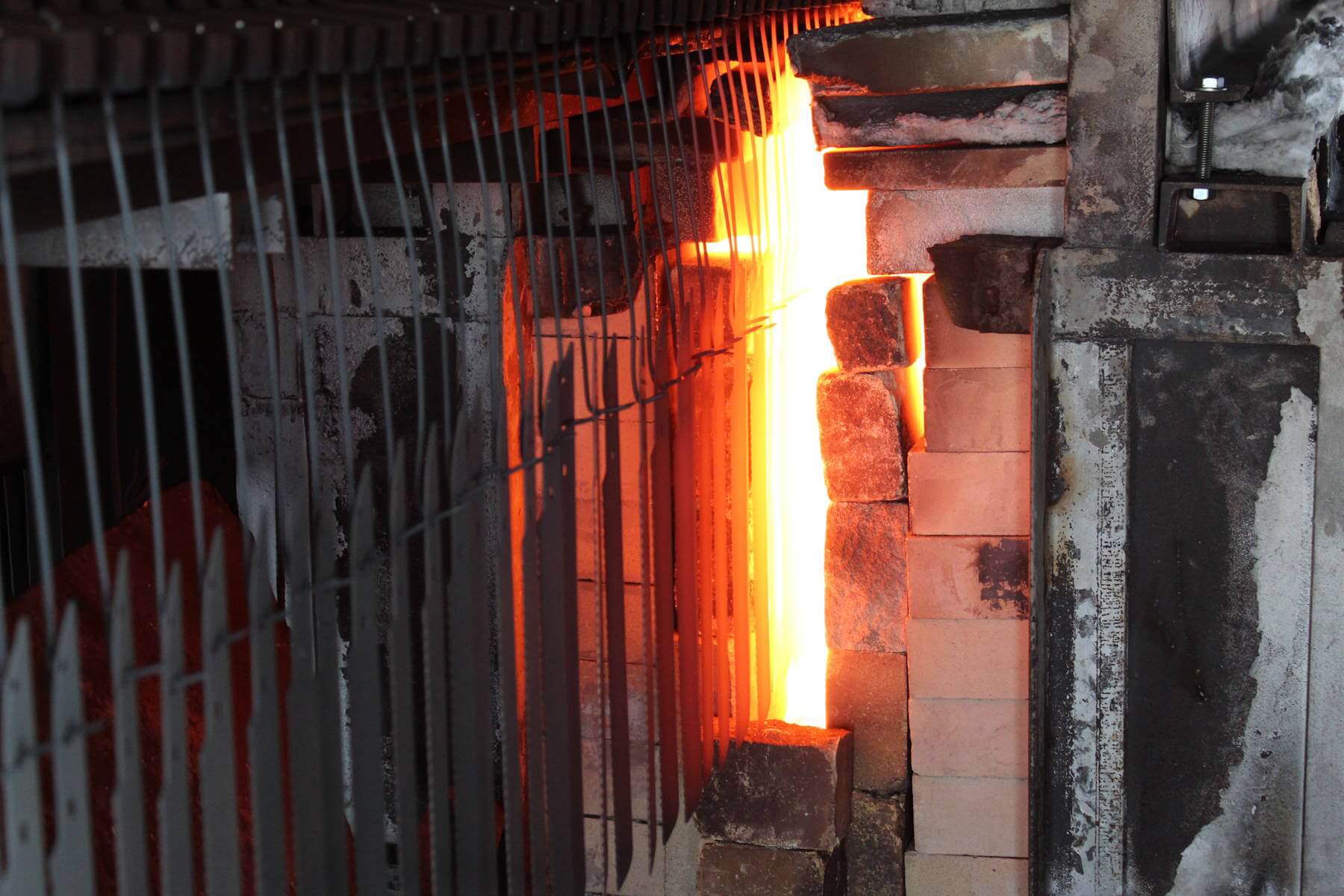
While modern knives no longer require folded tamahagane steel, the discipline of forging—how steel is heated, struck, and cooled—remains central to Seki knives.
Heat Treatment & Steel Philosophy
Swordsmiths believed steel must balance:
- Sharpness
- Toughness
- Resilience
This philosophy still influences Seki’s approach to stainless and carbon steels today, favoring dependable performance over fragile extremes.
From Swords to Kitchen Knives: The Meiji Transformation
When Japan modernized during the Meiji era, sword production declined dramatically. Rather than disappearing, Seki’s smiths adapted.
Former sword workshops pivoted to:
- Kitchen knives
- Farming tools
- Industrial blades
This transition preserved centuries of knowledge while making Seki blades accessible to everyday life—a key reason Seki city knives remain globally respected.
What Defines Seki City Knives Today?
Precision & Consistency
Unlike regions that focus exclusively on artisanal, small-batch knives, Seki developed a hybrid approach:
- Hand-finished edges
- Mechanized consistency
- Tight quality tolerances
This makes Seki knives especially popular among:
- Home cooks
- Culinary schools
- Professional kitchens needing reliability
Mass Production vs Artisan Balance
Seki’s genius lies in scaling craftsmanship without erasing it—a direct inheritance from sword-making guild systems.
Seki Knife Makers: Legacy in the Modern Era
Modern Seki knife makers often operate multi-generation family businesses, producing knives for both Japanese and international brands.
Common characteristics include:
- Clean grinds
- Durable heat treatment
- Excellent value-to-performance ratio
While they may not always seek spotlight recognition, Seki makers are foundational to Japan’s knife industry.
Seki vs Sakai vs Echizen: Regional Differences Explained
Understanding Japanese knives means understanding regions:
- Seki: Precision, consistency, adaptability
- Sakai: Hand-forged, single-bevel mastery
- Echizen: Rustic forging, hammer texture, artisan individuality
Each reflects a different interpretation of Japanese bladesmithing heritage.
How to Choose a Knife Influenced by Seki Traditions
If you value:
- Predictable performance
- Easy maintenance
- Long-term durability
Then, knives rooted in Seki knife history may suit your kitchen best.
They excel at:
- Daily prep
- Western and Japanese techniques
- Stainless steel performance
Why Understanding Seki Knife History Makes You a Better Buyer
When you understand the lineage behind a knife, you make better decisions—not just sharper ones.
Seki’s story teaches us that great knives are not accidents. They are the result of centuries of refinement, adaptation, and respect for steel.
That legacy continues every time a blade meets the cutting board.
Join our newsletter to explore more regional knife histories and artisan insights.