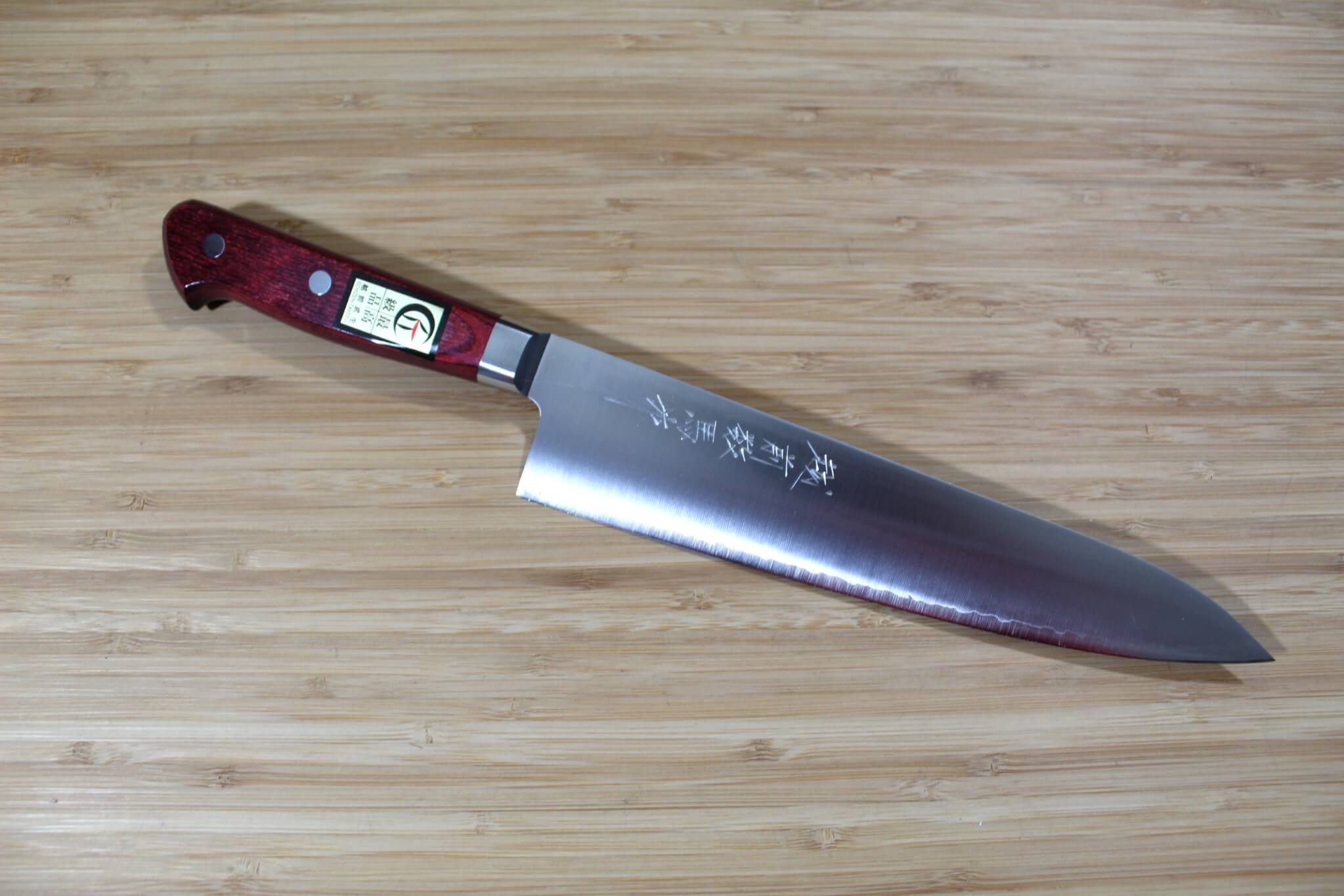
How Often Should You Sharpen Japanese Knives? A Practical Guide
One of the most common questions Japanese knife owners ask is also one of the most misunderstood: how often should you sharpen Japanese knives?
Sharpen too often, and you remove unnecessary steel. Sharpen too rarely, and you struggle with dull edges that compromise precision, safety, and enjoyment in the kitchen. The key is understanding that Japanese knife maintenance is not about rigid schedules—it’s about reading your knife, your habits, and your steel.
This guide will walk you through realistic sharpening frequency, practical knife care tips, and simple habits that help your Japanese knives perform at their best for years to come.
Why Sharpening Frequency Matters for Japanese Knives
Japanese knives are designed differently from most Western knives. They’re thinner, harder, and optimized for clean, precise cuts rather than brute force.
Because of this:
- They stay sharp longer
- They require lighter sharpening
- They reward good technique and care
Sharpening too aggressively or too often can shorten a knife’s lifespan. Proper maintenance means sharpening only when necessary, not by habit.
Honing vs Sharpening — What’s the Difference?
Before discussing knife sharpening frequency, it’s essential to clarify a common confusion.
- Honing realigns the edge
- Sharpening removes steel to create a new edge
Most Japanese knives do not need frequent honing, especially with traditional Western honing rods. Their harder steel doesn’t respond the same way and can chip if misused.
Why Japanese Knives Are Different
Japanese knives typically feature:
- Harder steel (HRC 60–65)
- Thinner geometry
- Finer edge angles (often 12–15°)
This means:
- Edges stay sharp longer
- Dullness is more gradual
- Whetstone sharpening is preferred over rods
So, How Often Should You Sharpen Japanese Knives?
There’s no universal answer, but these guidelines work for most users.
Home Cooks
If you cook a few times per week using proper technique:
- Sharpen every 4–6 months
- Light touch-ups as needed
Many home cooks overestimate how often sharpening is required. With proper cutting boards and storage, a quality Japanese knife holds its edge remarkably well.
Enthusiasts & Serious Home Chefs
If you cook daily, prep larger meals, or enjoy precision cutting:
- Sharpen every 2–4 months
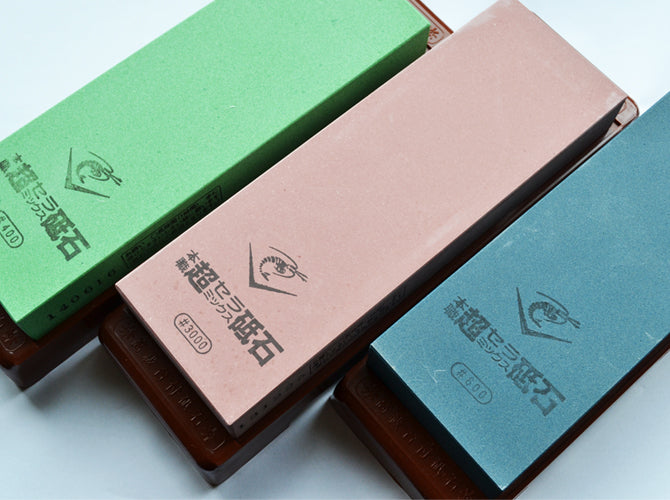
- Occasional touch-ups with a fine stone (3000–6000 grit)
At this level, sharpening becomes more about refinement than repair.
Professional Kitchens
For chefs using knives multiple hours per day:
- Sharpen every 2–6 weeks
- Light maintenance sessions rather than heavy steel removal
Even in professional environments, proper technique dramatically reduces sharpening frequency.
Shop Japanese Whetstones & Knife Maintenance Accessories
Key Factors That Affect Knife Sharpening Frequency
Steel Type
Different steels wear differently:
-
Shirogami (White Steel):
Extremely sharp, but needs more frequent sharpening -
Aogami (Blue Steel):
Better edge retention, longer intervals -
Ginsan (Silver #3):
Stainless with carbon-like sharpening feel -
VG-10 / SG2:
Longer edge life, slightly more effort to sharpen
Cutting Surface
Your cutting board matters more than you think.
Best options:
- End-grain wood
- Softwood boards
- Soft rubber boards (Hasegawa-style)
Avoid:
- Glass
- Marble
- Bamboo (high silica content)
Poor boards dramatically increase knife sharpening frequency.
Technique & Pressure
Let the knife do the work. Excessive force:
- Rolls the edge faster
- Causes micro-chips
- Shortens time between sharpenings
Signs Your Knife Needs Sharpening
Don’t rely on time alone. Watch for these indicators:
- Tomato skins tear instead of slice
- Onions crush rather than separate
- Paper test fails inconsistently
- You feel resistance during push cuts
If you notice two or more of these, it’s time to sharpen.
How to Extend Time Between Sharpenings
Proper Daily Habits
- Wash and dry immediately after use
- Avoid twisting or prying motions
- Use appropriate cutting boards
- Store with edge protection
These simple knife care tips dramatically extend edge life.
Using the Right Whetstone Grit Progression
For maintenance:
- 1000 grit: edge restoration
- 3000–6000 grit: refinement and touch-ups
You don’t need coarse stones unless repairing damage.
A Simple Japanese Knife Maintenance Schedule
Weekly
- Visual edge check
- Proper cleaning and drying
Monthly
- Performance check during prep
- Light touch-up if needed
Every Few Months
- Full sharpening session based on usage
This approach balances performance and longevity.
Common Sharpening Mistakes to Avoid
- Sharpening on a fixed schedule instead of need
- Using aggressive pressure
- Skipping stone flattening
- Over-polishing instead of maintaining geometry
Japanese knife maintenance is about restraint, not repetition.
Final Thoughts: Sharpen Less, Cut Better
So, how often should you sharpen Japanese knives?
Less often than you think—and only when they ask for it.
With proper technique, thoughtful care, and the right tools, your knife will reward you with cleaner cuts, safer prep, and a deeper appreciation for Japanese craftsmanship.
If you’re unsure where to start, the right guidance makes all the difference.
Learn more with our Complete Guide to Sharpening Japanese Knives