Sawakazuma Knives: Echizen’s Ultra-Thin Blades and 700 Years of Forging Tradition
In Japanese knife making, true excellence often lies not in excess, but in restraint. Few makers embody this philosophy as clearly as Sawakazuma knives, whose ultra-thin blades deliver extraordinary cutting performance while honoring more than seven centuries of Echizen forging tradition.
For professional chefs and discerning home cooks alike, Sawakazuma represents a rare balance: knives that are feather-light and precise, yet deeply rooted in one of Japan’s oldest metalworking regions. These are not mass-produced tools—they are instruments shaped by history, skill, and an uncompromising pursuit of sharpness.
Echizen: One of Japan’s Oldest Knife-Making Regions
Long before modern kitchen knives existed, Echizen was already a center of metal craftsmanship. Located in Fukui Prefecture, Echizen’s forging tradition dates back over 700 years, originally producing sickles, agricultural tools, and blades essential to daily life.
Today, Echizen Japanese knives are revered worldwide for their:
- Exceptional heat treatment
- Fine edge geometry
- Consistent quality across generations of craftsmen
At the heart of modern Echizen craftsmanship is Takefu Knife Village, a collaborative workshop where master blacksmiths, sharpeners, and apprentices work side by side. This environment preserves traditional forging techniques while encouraging innovation—an ideal home for a brand like Sawakazuma.
Learn More About Echizen Knifemaking
Who Is Sawakazuma? A Modern Expression of Echizen Craft
Sawakazuma knives are produced by skilled Echizen knife makers who specialize in extremely thin blade geometry—knives designed to glide through food with minimal resistance.
Rather than emphasizing flashy finishes or exaggerated profiles, Sawakazuma focuses on:
- Functional elegance
- Precise forging and grinding
- Practical performance in real kitchens
Every blade reflects the Echizen philosophy: make only what improves the cutting experience.
Shop Sawakazuma Knives - Experience Echizen Precision
What Makes Sawakazuma Knives Ultra-Thin?
Grind Geometry & Cutting Feel
The defining characteristic of Sawakazuma knives is their remarkably thin grind, especially behind the edge. This allows the blade to:
- Enter food effortlessly
- Reduce cracking in hard vegetables
- Minimize friction and wedging
When slicing onions, carrots, or proteins, the knife feels as if it’s doing the work for you—an experience often described by chefs as “silent cutting.”
Balance Between Sharpness and Control
Ultra-thin does not mean fragile when done correctly. Sawakazuma blades maintain:
- Controlled flexibility
- Stable edge geometry
- Confidence-inspiring feedback on the board
This balance makes them suitable not only for professionals but also for skilled home cooks who value precision.
Steels and Finishes Used by Sawakazuma
Sawakazuma works with carefully selected Japanese steels known for fine-grain structure and clean edge formation. While offerings may vary, common characteristics include:
- High hardness for edge retention
- Fine polish capability
- Excellent sharpening response
Finishes tend to be understated—often migaki or lightly textured—allowing the craftsmanship to speak louder than decoration.
Why Professional Chefs Choose Ultra-Thin Echizen Knives
For chefs working long hours, efficiency matters. Ultra-thin Echizen Japanese knives like Sawakazuma offer:
- Less fatigue during prep
- Faster, cleaner cuts
- Improved ingredient presentation
Whether prepping delicate herbs or breaking down vegetables at speed, the reduced resistance translates directly into performance.
Are Sawakazuma Knives Right for Home Cooks?
Absolutely—provided you appreciate quality tools.
Sawakazuma knives are ideal for home cooks who:
- Enjoy precise, controlled cutting
- Maintain their knives properly
- Prefer performance over flash
If you’ve ever felt your knife crack carrots instead of slicing them, an ultra-thin blade can be a revelation.
Care, Maintenance, and Longevity
To keep Sawakazuma knives performing at their best:
- Use wooden or rubber cutting boards
- Avoid twisting or prying motions
- Hand wash and dry immediately
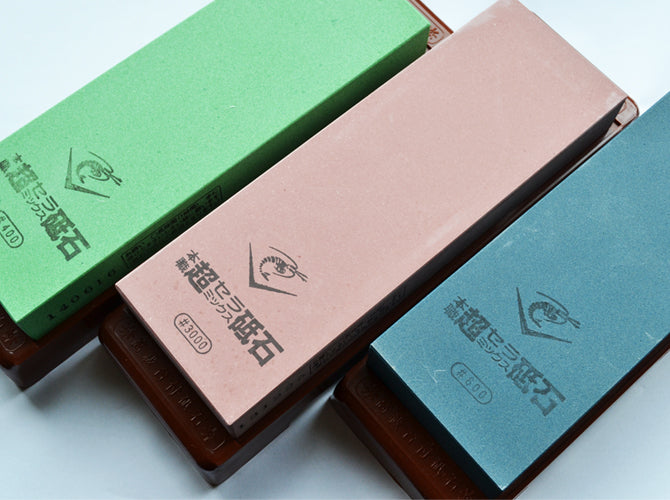
- Sharpen regularly on quality whetstones
With proper care, these knives will not only last—but improve with time.
How to Choose the Right Sawakazuma Knife
When selecting a Sawakazuma knife, consider:
- Blade length based on your prep space
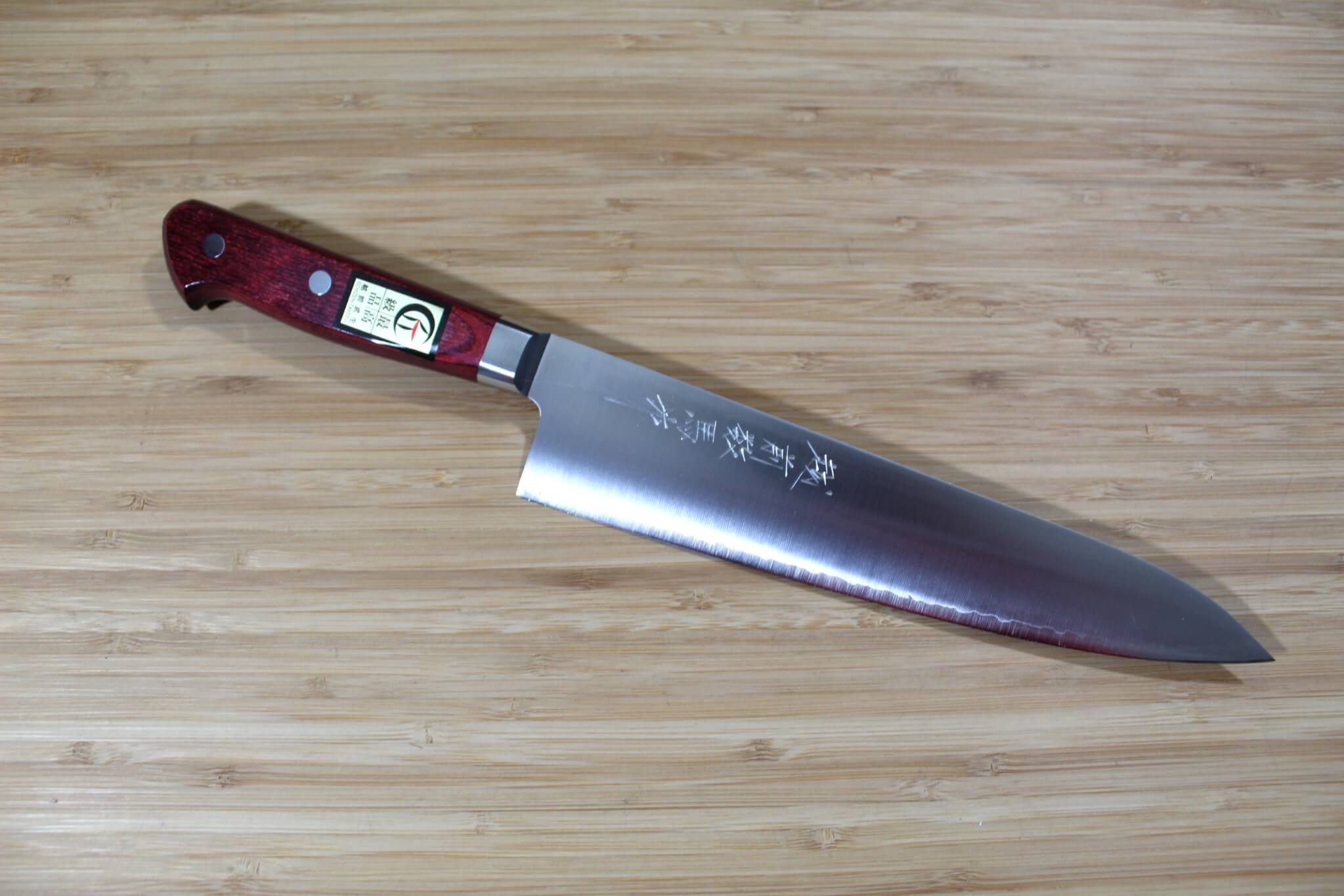
- Knife shape (gyuto, santoku, petty) for your cooking style
- Steel preference for maintenance comfort
If you’re unsure, starting with a versatile gyuto is often the best entry point into Echizen craftsmanship.
Why Buy Sawakazuma Knives from Hasu-Seizo
At Hasu-Seizo, we work directly with Japanese artisans and trusted workshops to ensure authenticity, quality, and consistency.
Every Sawakazuma knife we offer is:
- Carefully inspected before shipping
- Selected for performance, not hype
- Backed by knowledgeable support and care guidance
When you buy from Hasu-Seizo, you’re not just purchasing a knife—you’re investing in a tradition.