Whetstone Grit Explained: Choosing the Right Grit for Japanese Knives
If you’ve ever searched for a whetstone and felt overwhelmed by numbers like 400, 1000, or 6000, you’re not alone. Understanding whetstone grit is one of the most important—and misunderstood—parts of sharpening Japanese knives.
This whetstone grit guide will walk you through what grit really means, how different grit levels affect Japanese blades, and how to choose the best grit for your cooking style. Whether you’re a home cook maintaining your first gyuto or a professional chef refining edges daily, this guide will help you sharpen with confidence.
What Does Whetstone Grit Mean?
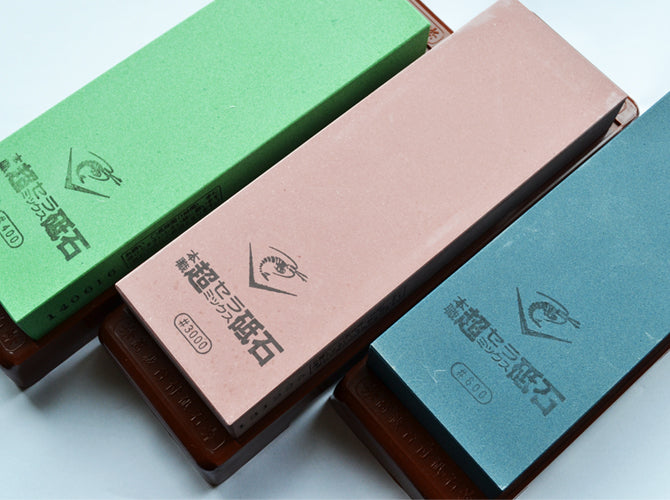
Whetstone grit refers to the size of the abrasive particles embedded in the stone.
- Lower numbers = coarser abrasives
- Higher numbers = finer abrasives
Coarse stones remove metal quickly, reshaping damaged edges. Fine stones remove very little steel, refining and polishing the edge instead.
For Japanese knives—known for thin geometry and hard steel—choosing the right grit is essential for performance and longevity.
Why Grit Choice Matters for Japanese Knives
Japanese knives differ from Western knives in three critical ways:
- Harder steel (higher HRC)
- Thinner edge geometry
- Sharper, more refined edges
Using the wrong grit can:
- Remove too much steel
- Create uneven edges
- Reduce edge life
Choosing the correct Japanese whetstone grit ensures:
- Better edge retention
- Cleaner cuts
- Longer knife lifespan
Whetstone Grit Chart (Quick Reference)

| Grit Range | Purpose | When to Use |
|---|---|---|
| 200–600 | Repair | Chips, rolls, heavy damage |
| 800–1200 | Sharpening | Dull knives, edge restoration |
| 2000 | Refinement | Improving bite and smoothness |
| 3000–6000 | Polishing | Push-cut performance |
| 8000+ | Mirror polish | Specialty & professional use |
Coarse Grit Stones (200–600)
Coarse stones are repair tools, not everyday sharpeners.
Best For:
- Chips and cracks
- Rolled edges
- Extremely dull knives
Key Characteristics:
- Fast metal removal
- Aggressive abrasion
- Leaves a rough edge
Important:
For Japanese knives, coarse stones should be used sparingly. Excessive use can shorten blade life.
Medium Grit Stones (800–2000)
Medium grit stones are the foundation of sharpening and the most important stones for most users.
1000 Grit: The Gold Standard
If you own just one stone, this is it.
Why 1000 grit works so well:
- Restores dull edges efficiently
- Safe for hard Japanese steel
- Leaves a clean, usable edge
2000 Grit: Refinement Stage
- Smooths scratch patterns
- Improves edge consistency
- Ideal bridge to polishing stones
Most Japanese knife enthusiasts spend 80–90% of sharpening time in this grit range.
Fine & Polishing Stones (3000+)
Fine stones refine the edge rather than reshape it.
3000–6000 Grit
- Cleaner cuts
- Reduced friction
- Ideal for vegetables and proteins
8000+ Grit
- Mirror polish
- Extremely smooth edge
- Best for professionals and enthusiasts
Note:
Higher grit does not always mean better. For many home cooks, a 3000–6000 grit finish offers the best balance of sharpness and bite.
Best Grit Progressions for Different Users
Home Cooks
- 1000 → 3000
- Easy maintenance
- Excellent daily performance
Knife Enthusiasts
- 1000 → 2000 → 6000
- More control and refinement
Professional Chefs
- 400 (as needed) → 1000 → 3000/6000
- Performance-driven workflow
This progression-based approach is more effective than chasing ultra-high grit numbers.
Common Whetstone Grit Mistakes to Avoid
- ❌ Starting too coarse on healthy knives
- ❌ Skipping grits improperly
- ❌ Over-polishing and losing bite
- ❌ Assuming higher grit = sharper knife
A thoughtful grit progression preserves steel and improves results.
How to Choose the Best Grit for Japanese Knives
Ask yourself:
- How dull is my knife?
- How often do I sharpen?
- What foods do I cut most?
Rule of thumb:
Most Japanese knife users only need 1000–3000 grit for outstanding results.
The Right Grit Makes All the Difference
Choosing the correct grit isn’t about buying more stones—it’s about using the right stone at the right time. This whetstone grit guide shows that understanding grit levels leads to sharper knives, better cuts, and longer-lasting blades.
When you sharpen with intention, you’re not just maintaining a knife—you’re honoring the craftsmanship behind it.
Ready to Sharpen with Confidence?
Explore our curated Japanese whetstones, selected for compatibility with high-performance Japanese knives—or join our newsletter for sharpening guides, artisan insights, and exclusive releases.