

Fine Whetstones (3000+ Grit): Refinement, Polish, and Precision
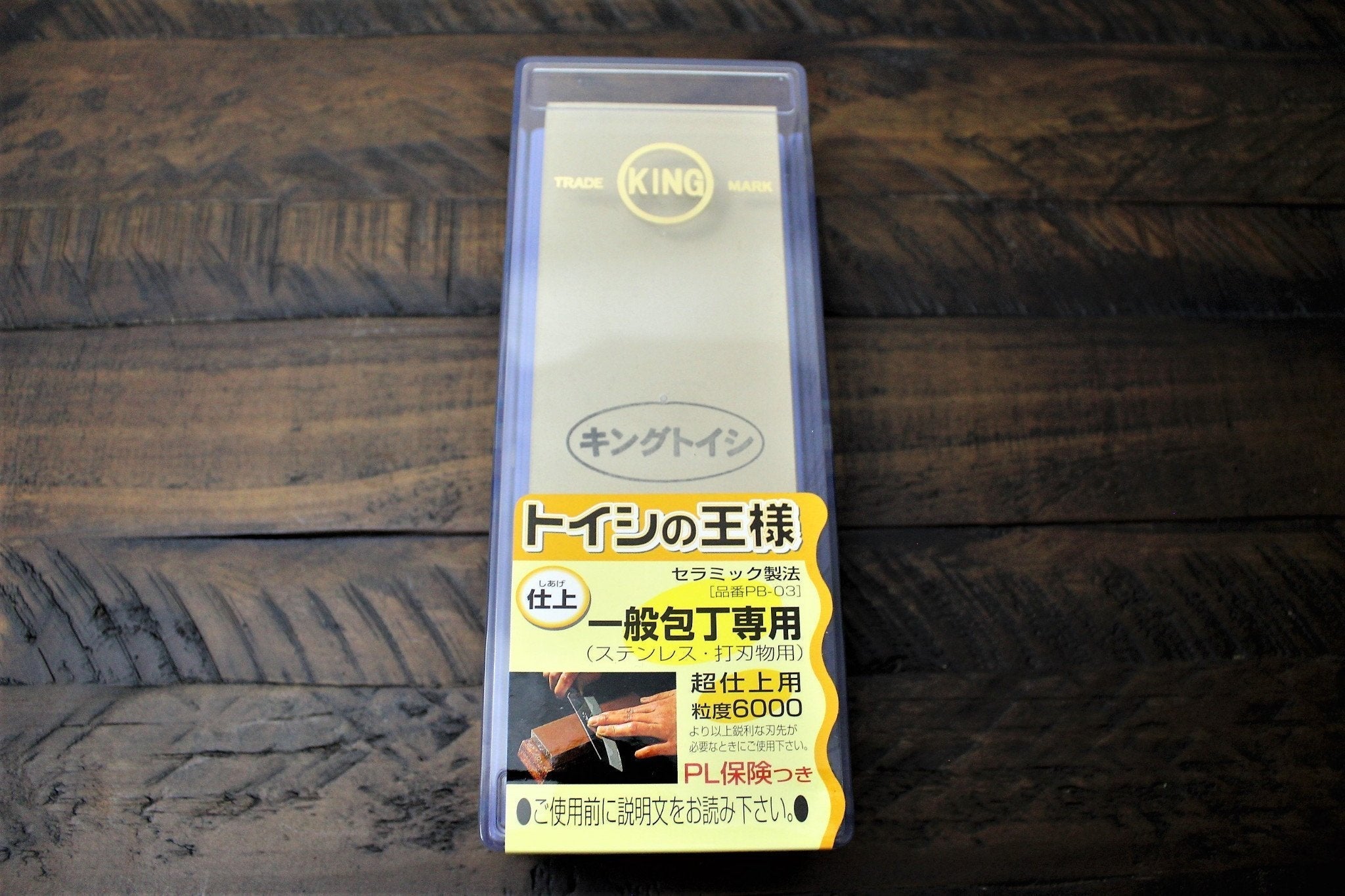
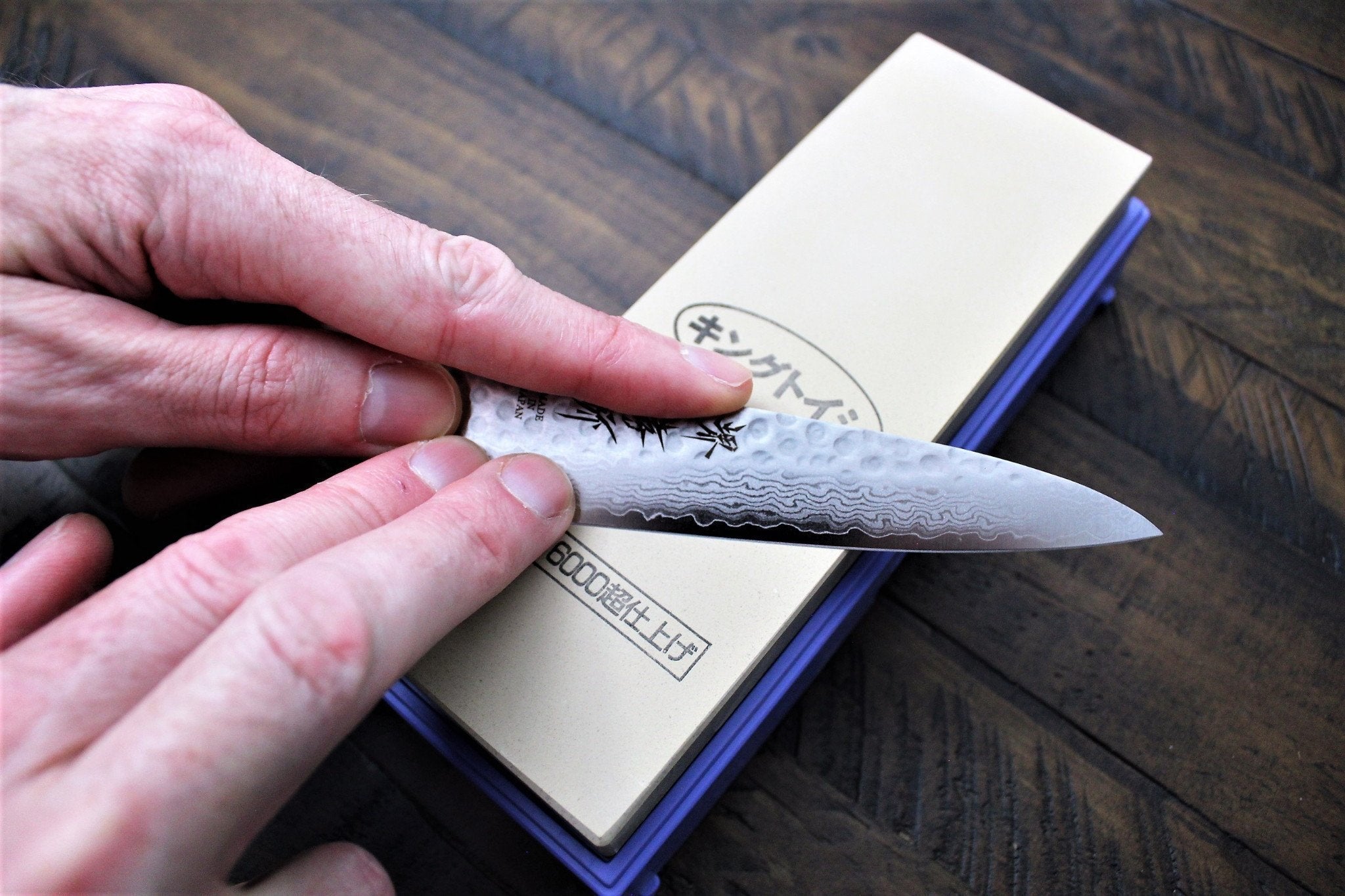
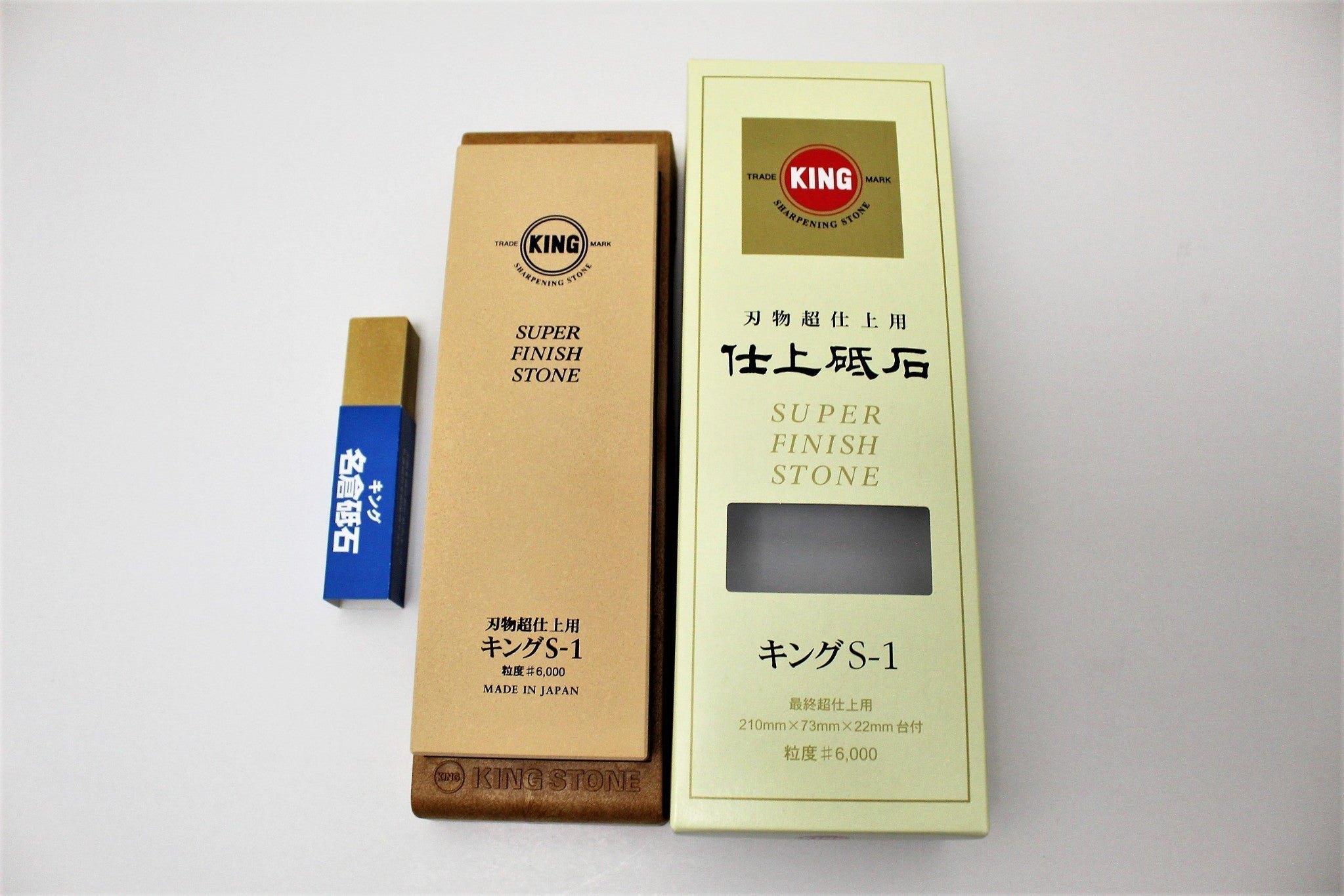
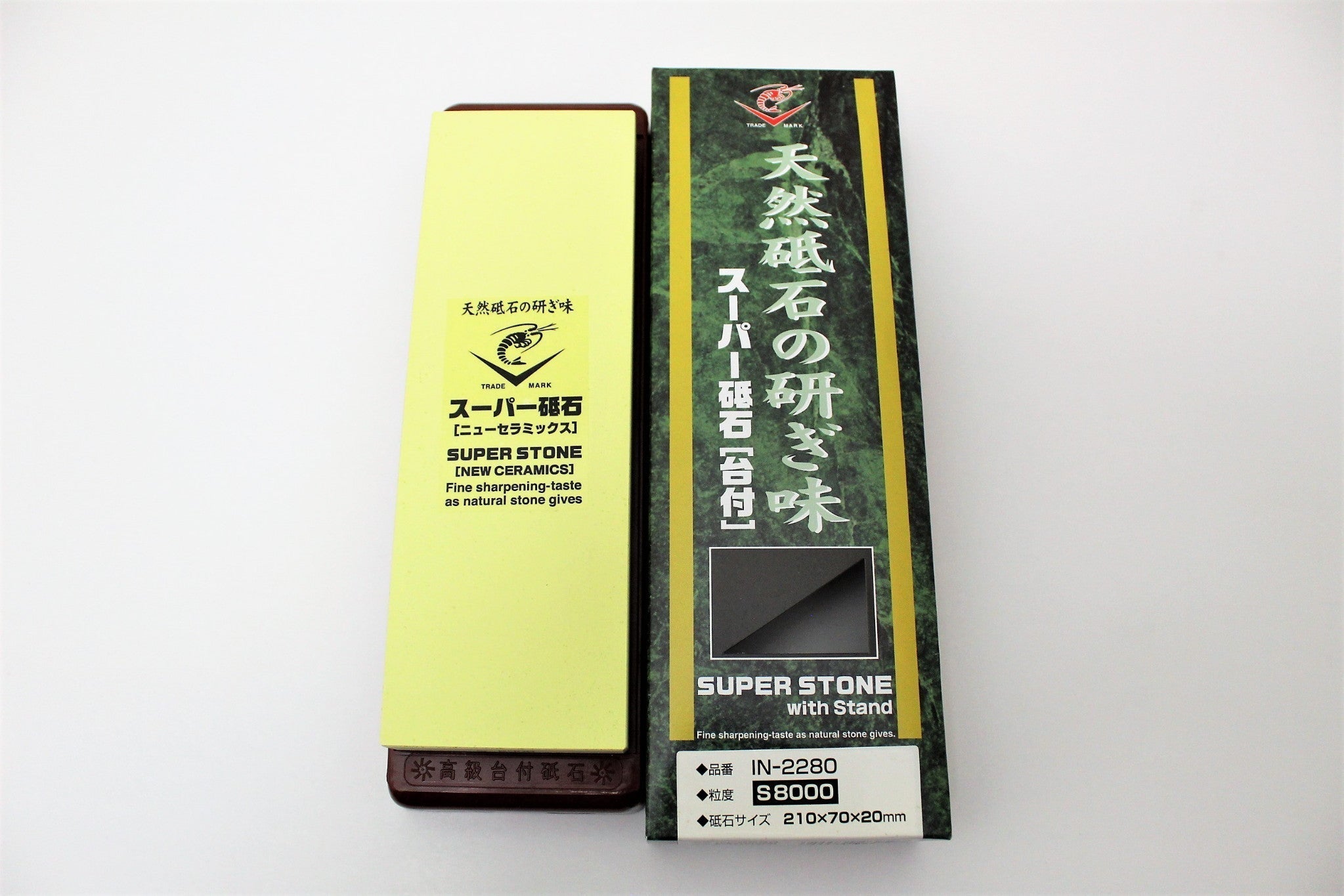
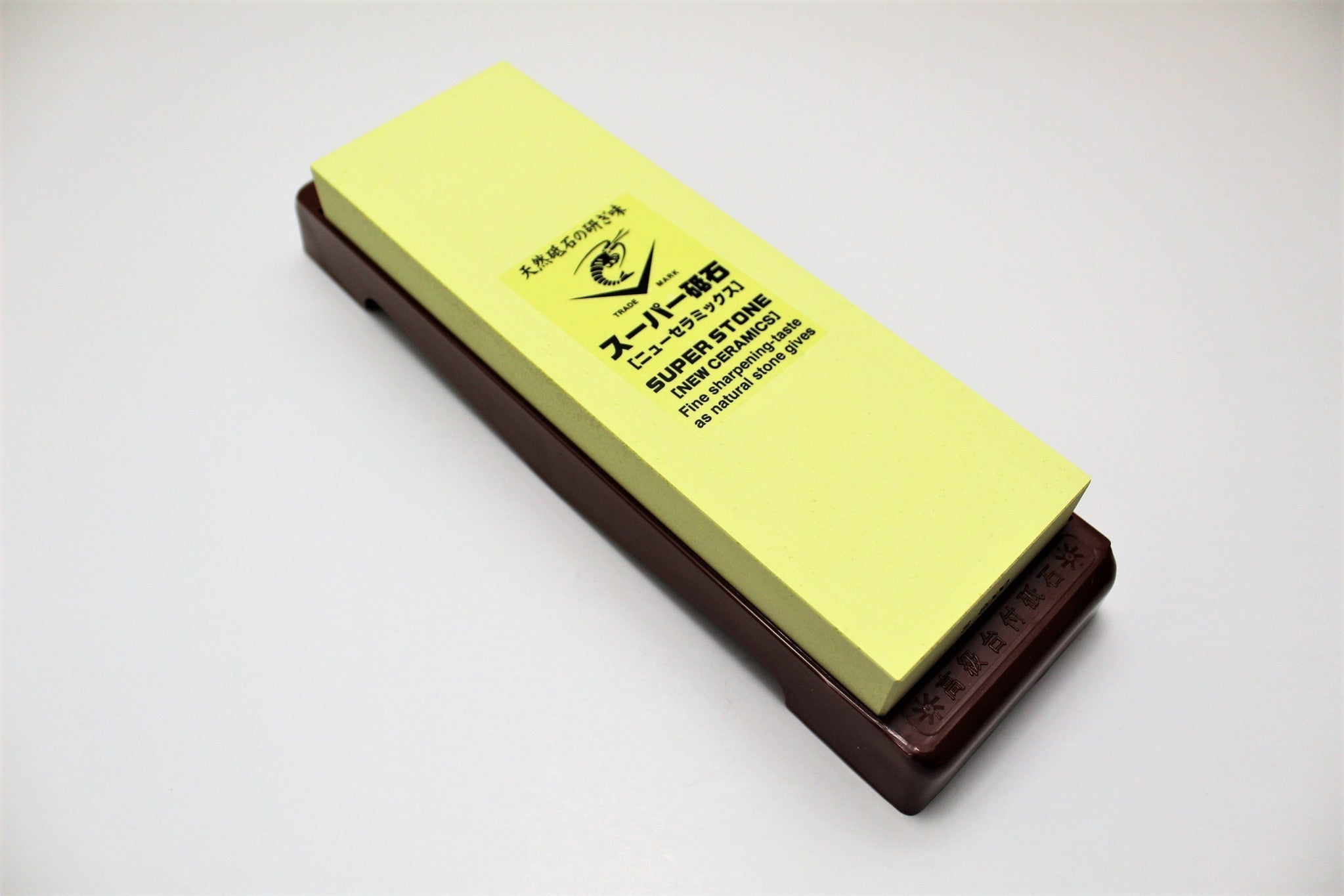
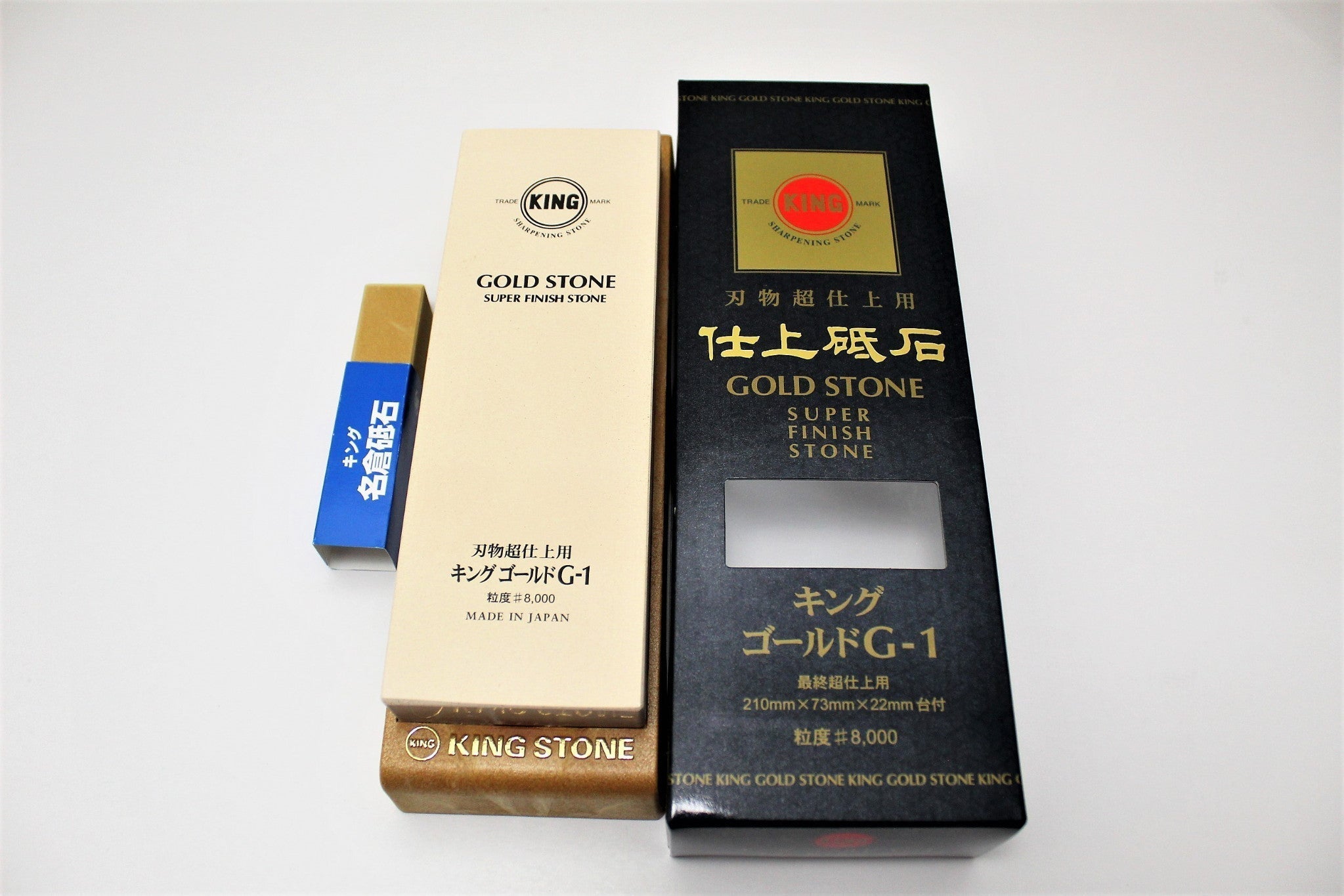
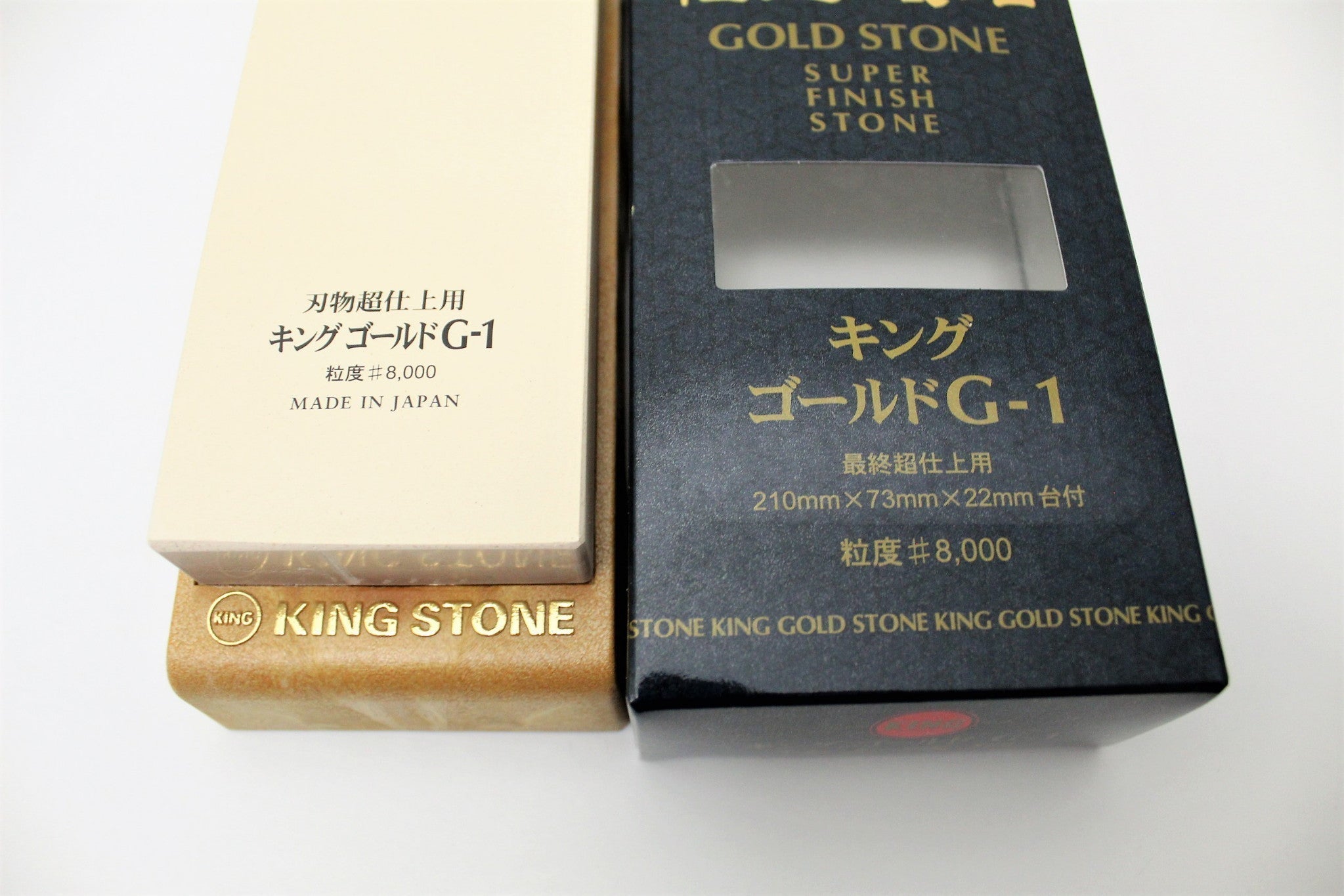
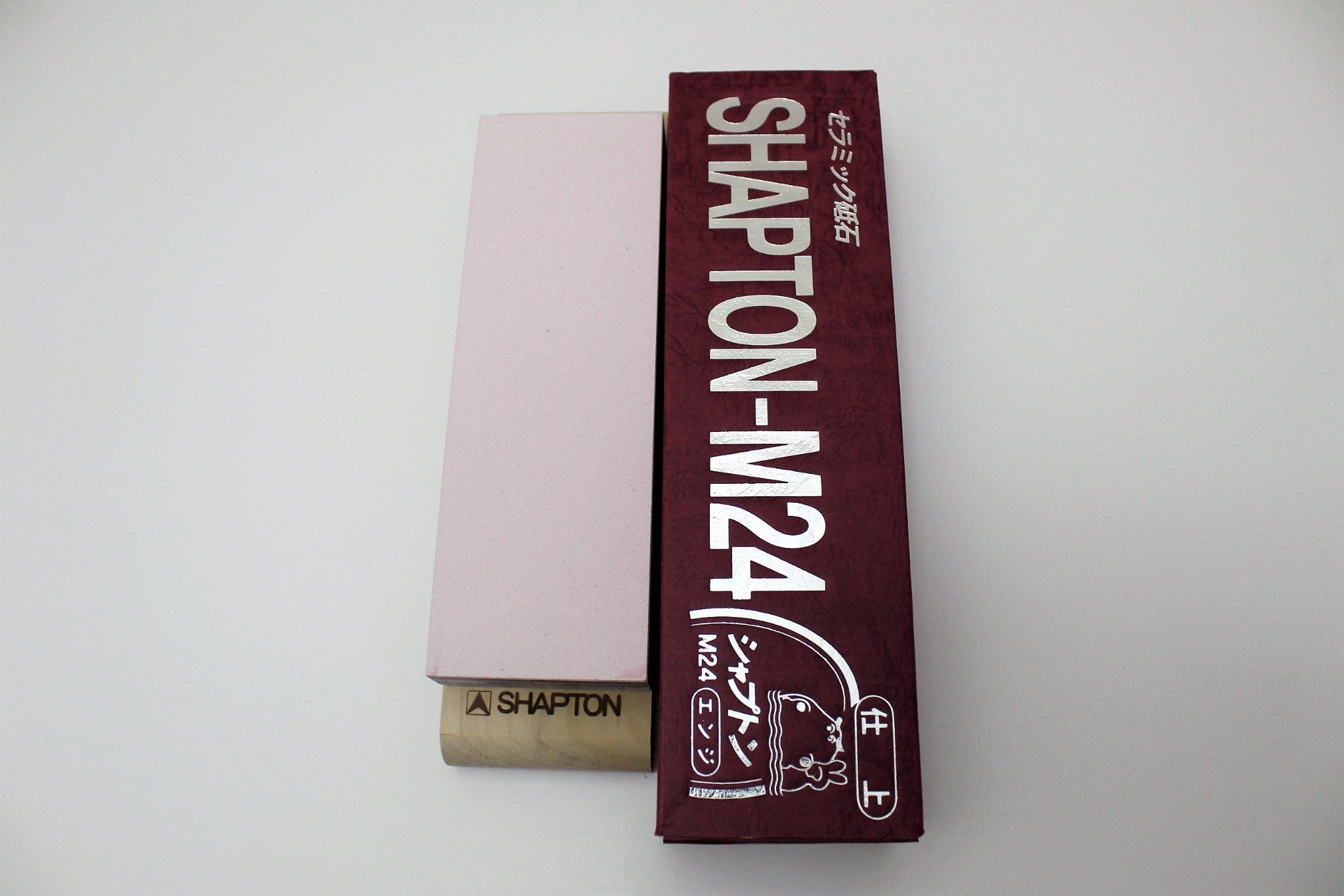
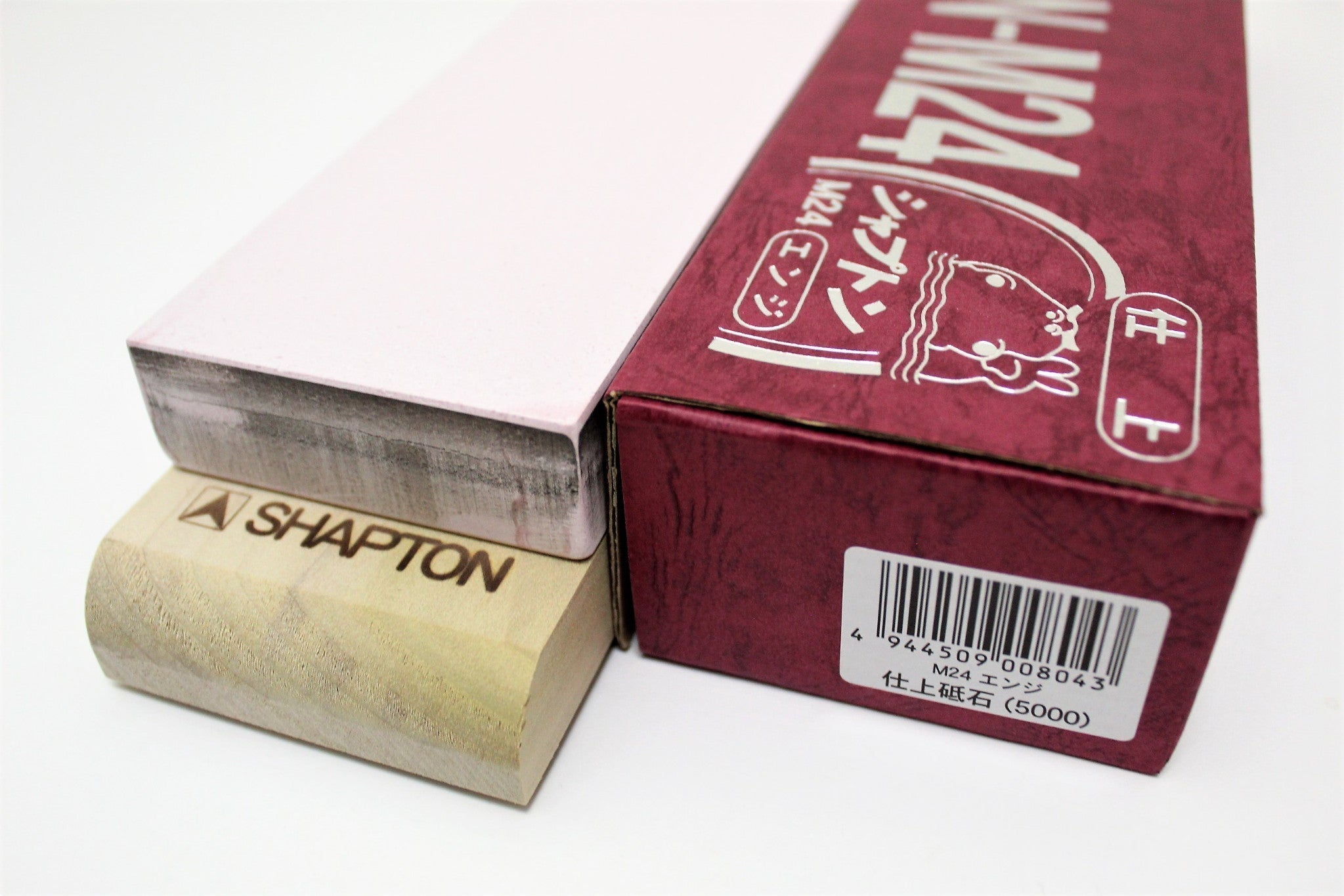
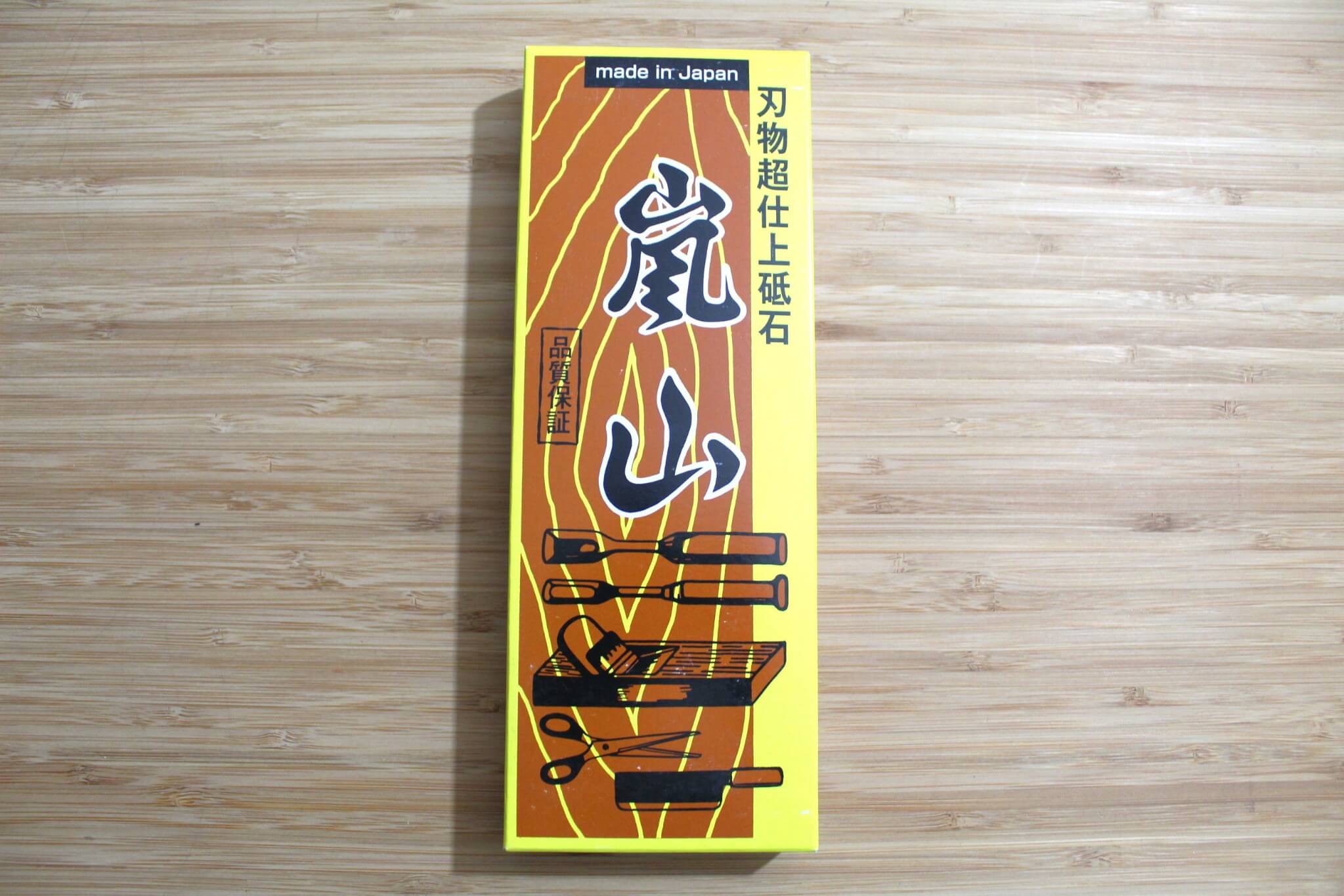
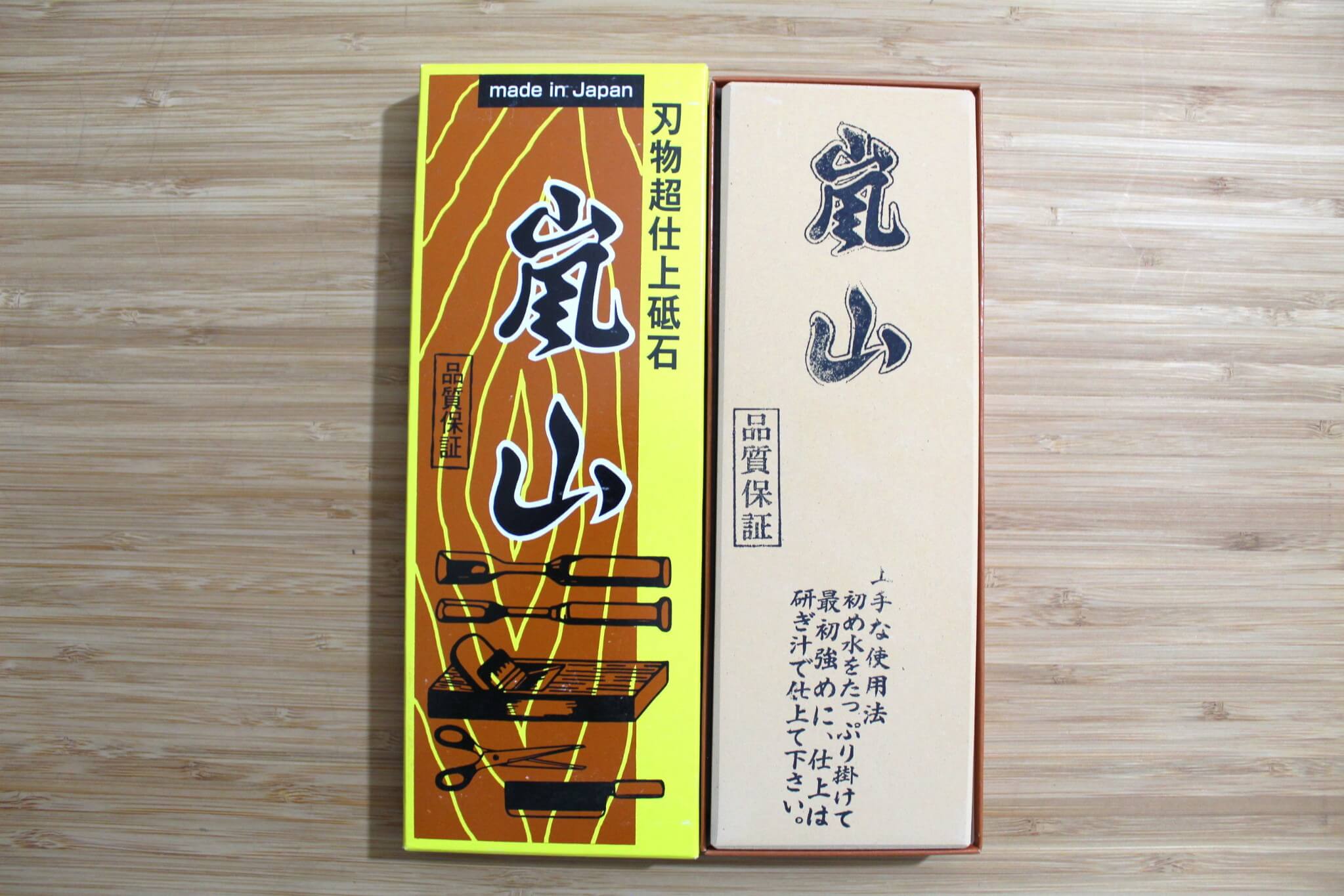
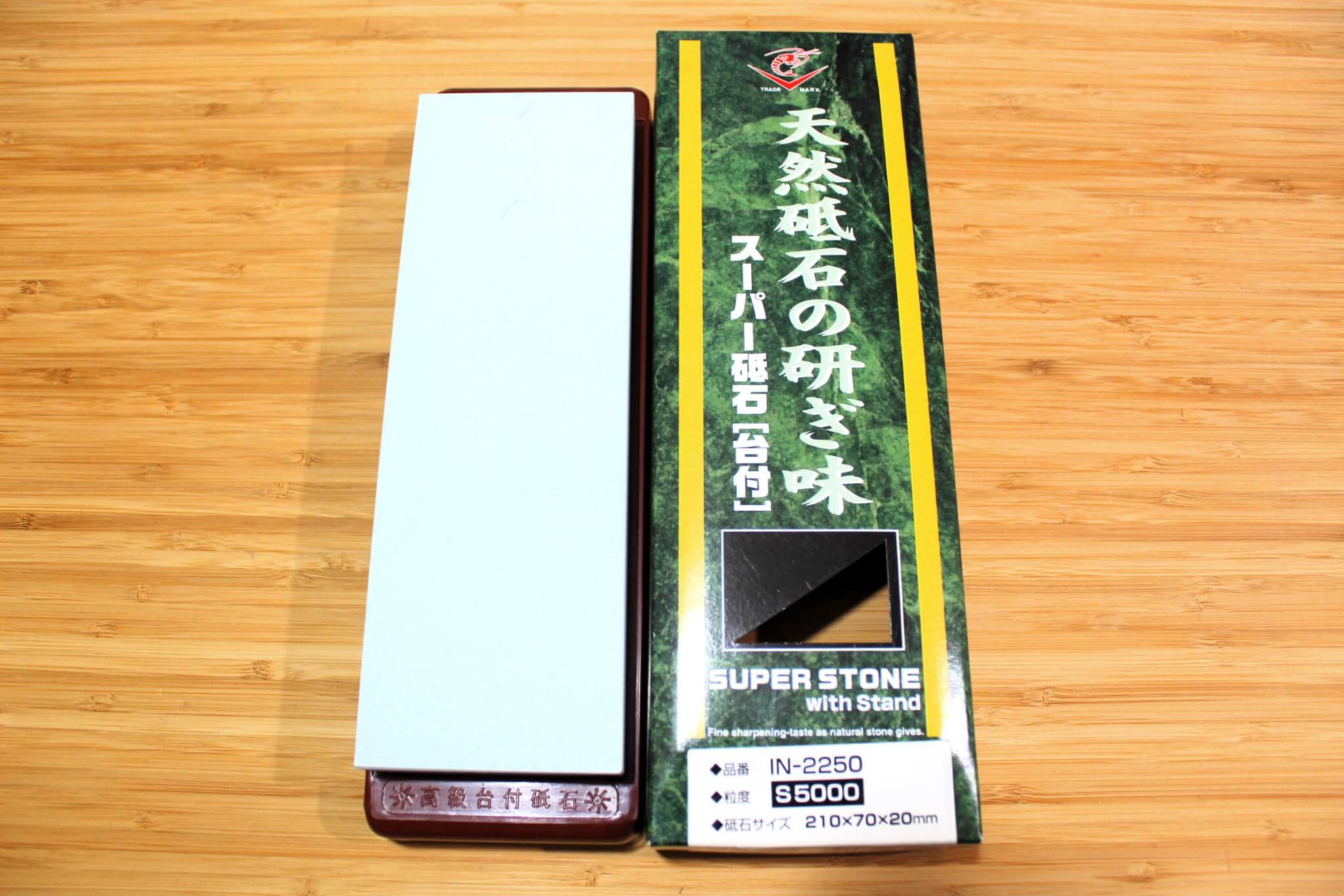
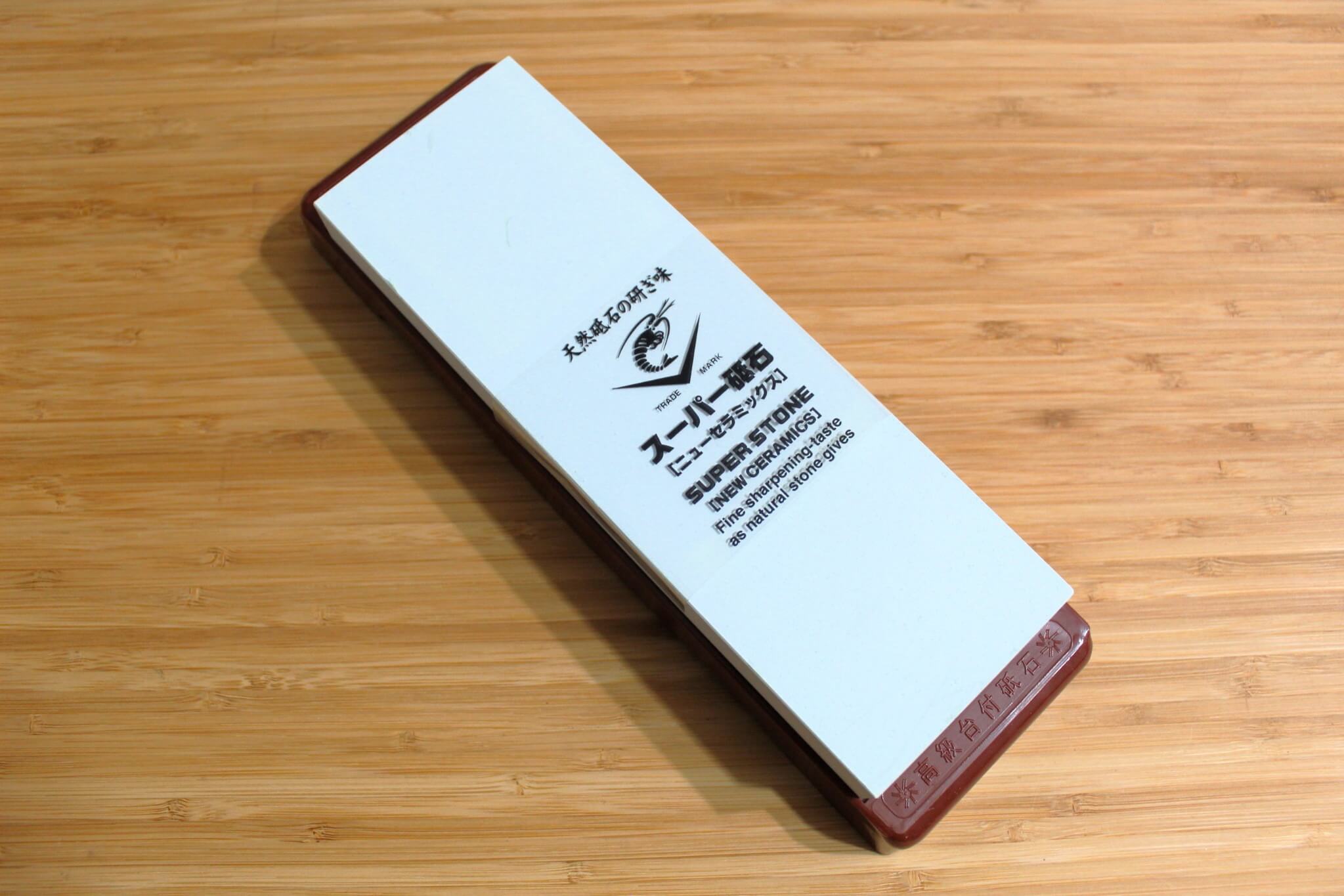
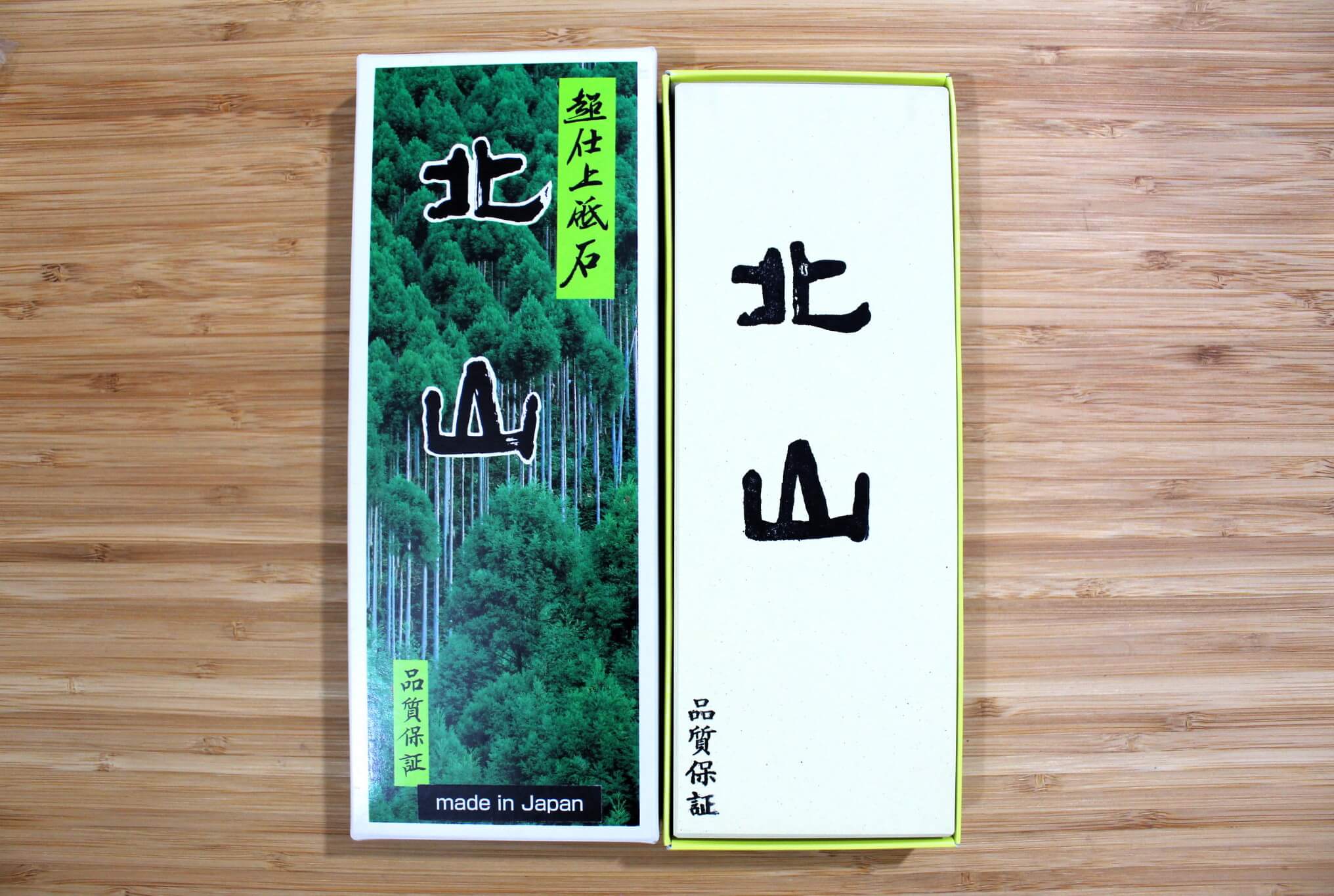
Fine whetstones in the 3000 grit and above range are designed for edge refinement, polish, and precision. These stones do not create sharpness on their own—instead, they enhance and perfect an edge that has already been properly established on coarser stones.
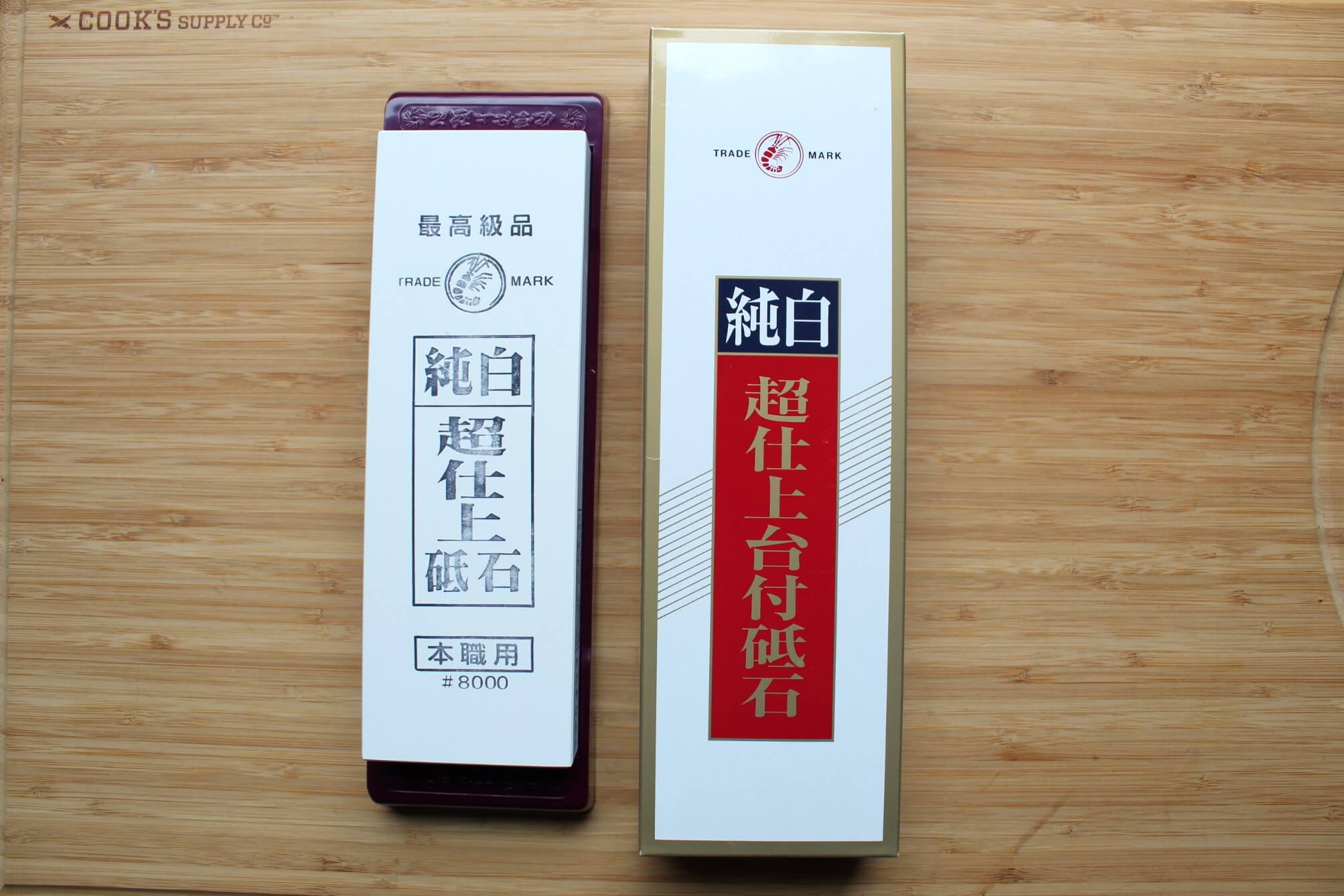
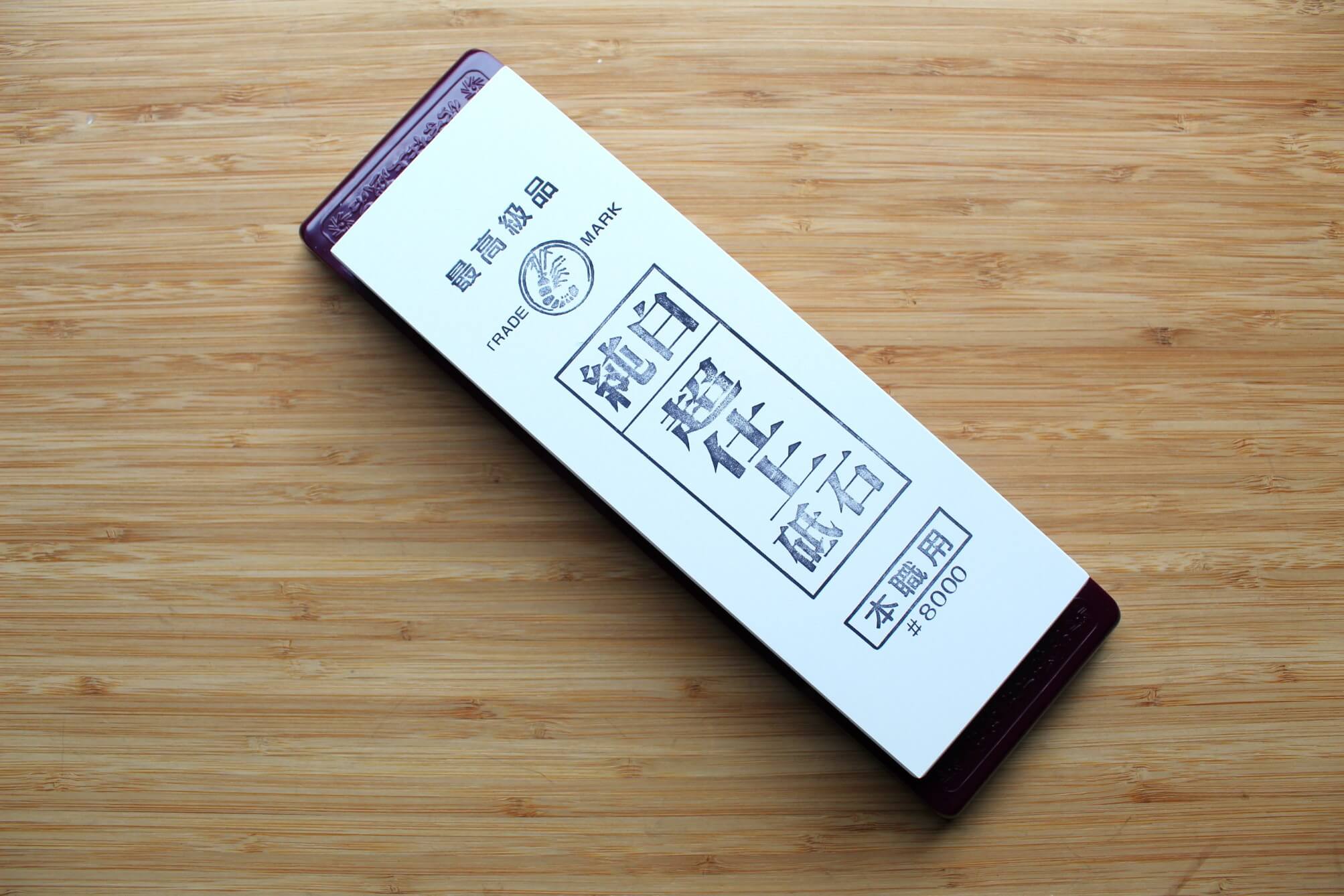
At this level, steel removal is minimal. The goal shifts from shaping the edge to improving smoothness, consistency, and cutting feel. A 3000–6000 grit stone refines scratch patterns, reduces micro-serrations, and increases edge stability, resulting in cleaner cuts and improved edge retention. Higher grits—8000 and above—focus on polishing and tactile feedback, prized by professionals working with delicate ingredients.
Fine stones are particularly valued for Japanese knives, where thin grinds and hard steels benefit from controlled refinement rather than aggressive abrasion. When used correctly, a fine stone produces edges that glide effortlessly through ingredients while maintaining structural integrity.
Common uses for fine whetstones include:
- Refining edges after medium sharpening
- Improving push-cut performance
- Polishing bevels
- Enhancing edge longevity
Because fine stones wear more slowly, they are often overlooked for flattening—but flatness remains essential. Even slight dishing can affect edge contact and negate the benefits of high-grit sharpening.
Fine whetstones reward patience and technique. They are not about speed, but about elevating performance, turning a sharp knife into a truly exceptional one. For cooks and chefs who value precision, control, and craftsmanship, fine stones represent the final, satisfying step in the sharpening journey.
Fine whetstones in the 3000 grit and above range are designed for edge refinement, polish, and precision. These stones do not create sharpness on their own—instead, they enhance and perfect an edge that has already been properly established on coarser stones.
At. . . Show More >
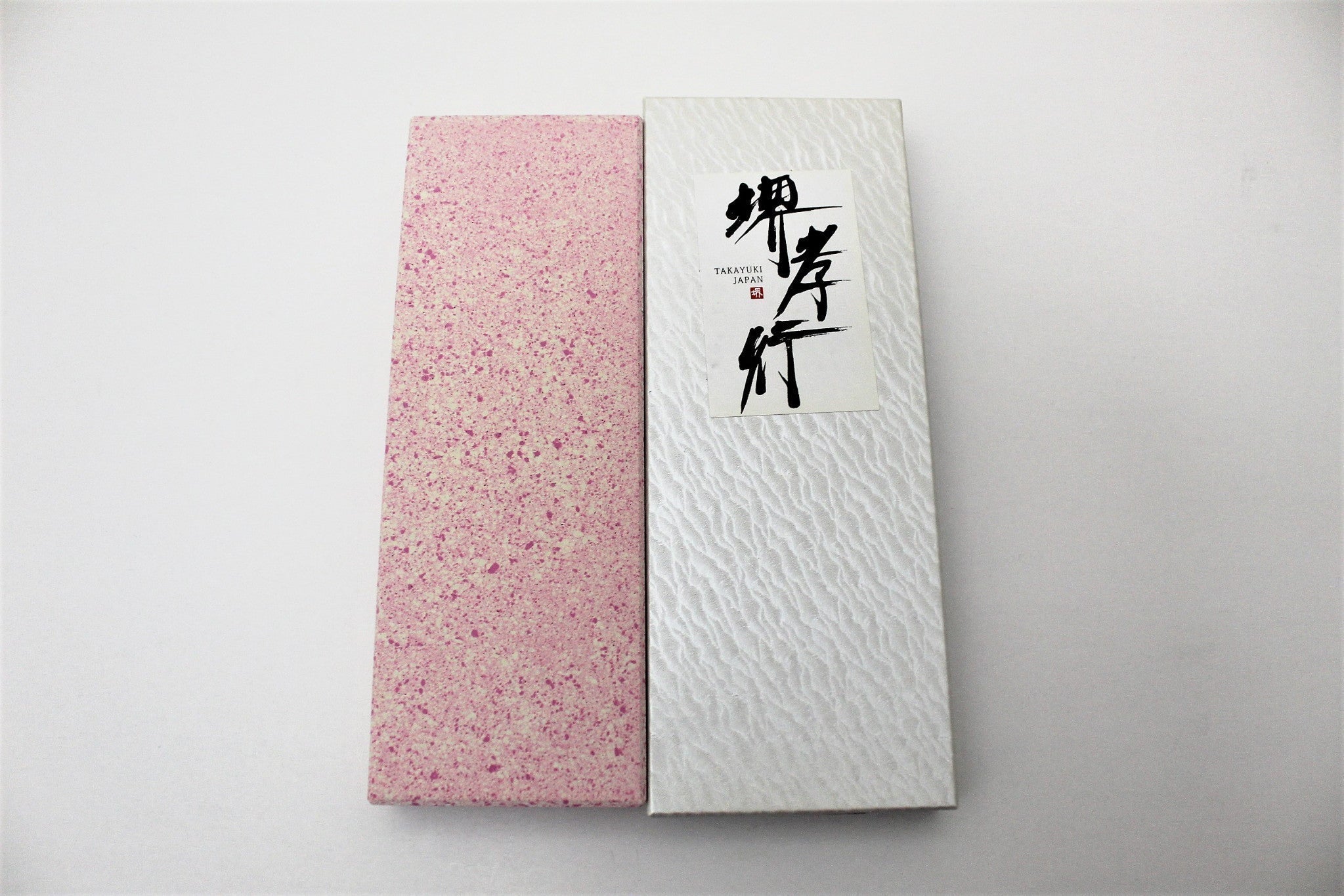
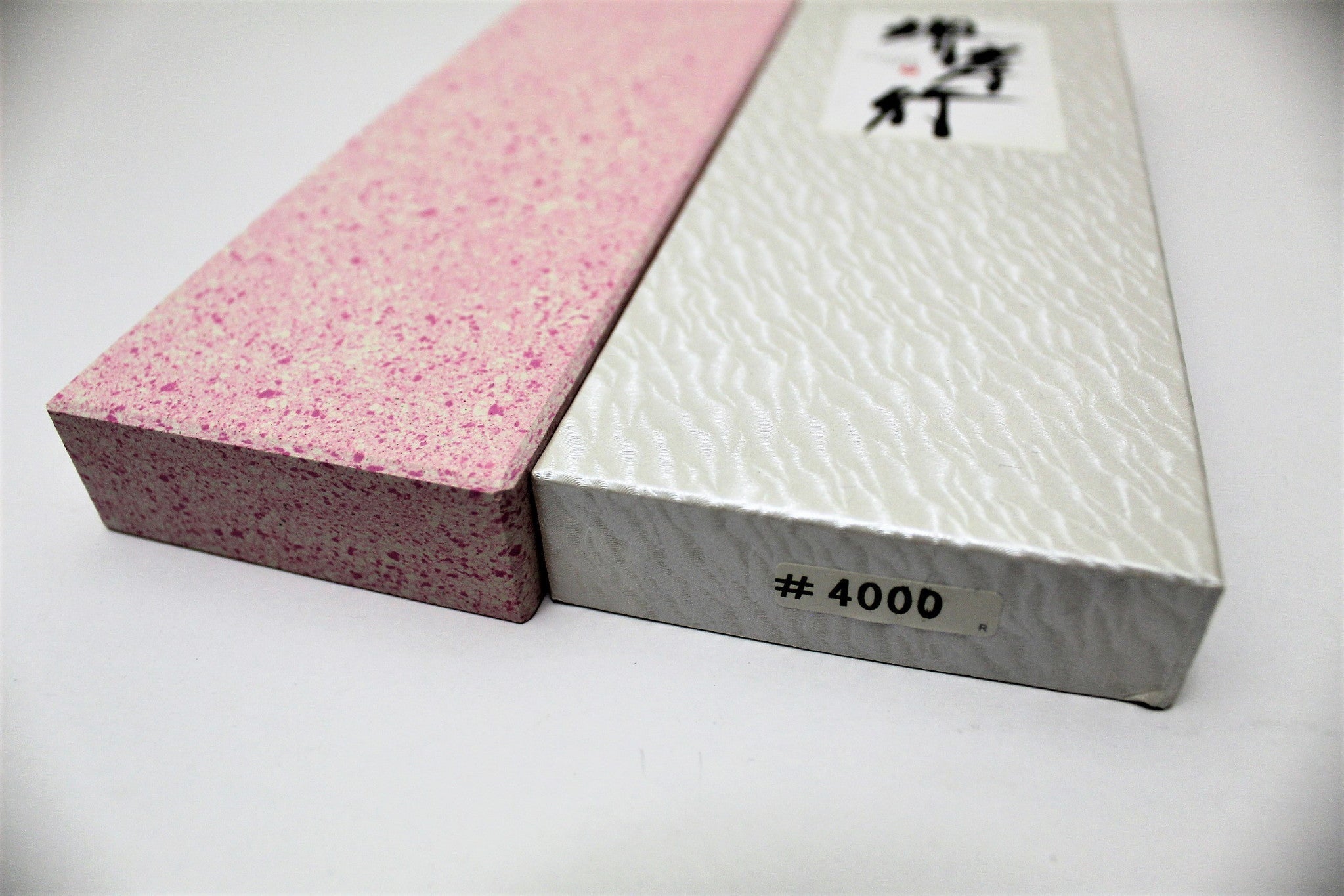
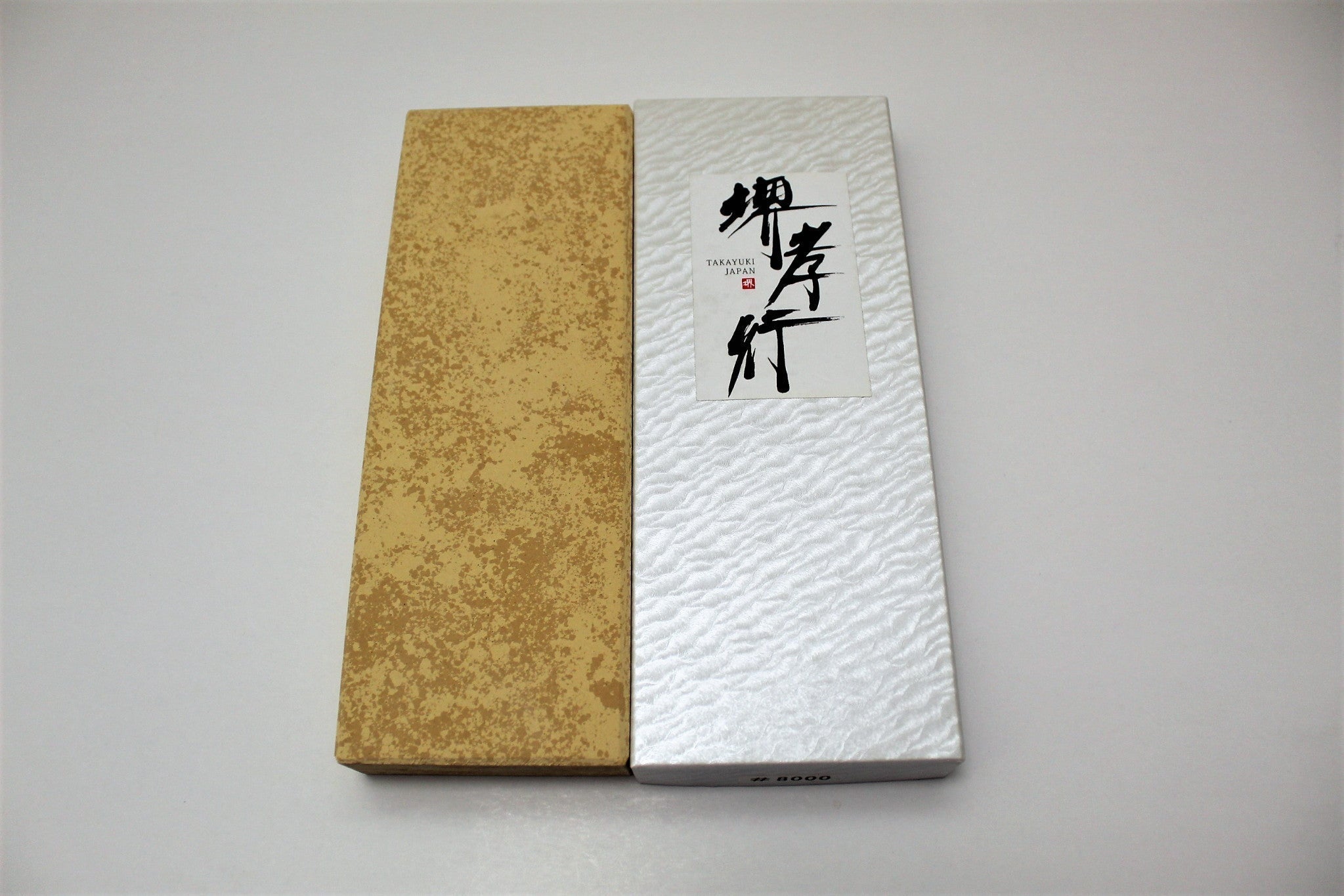
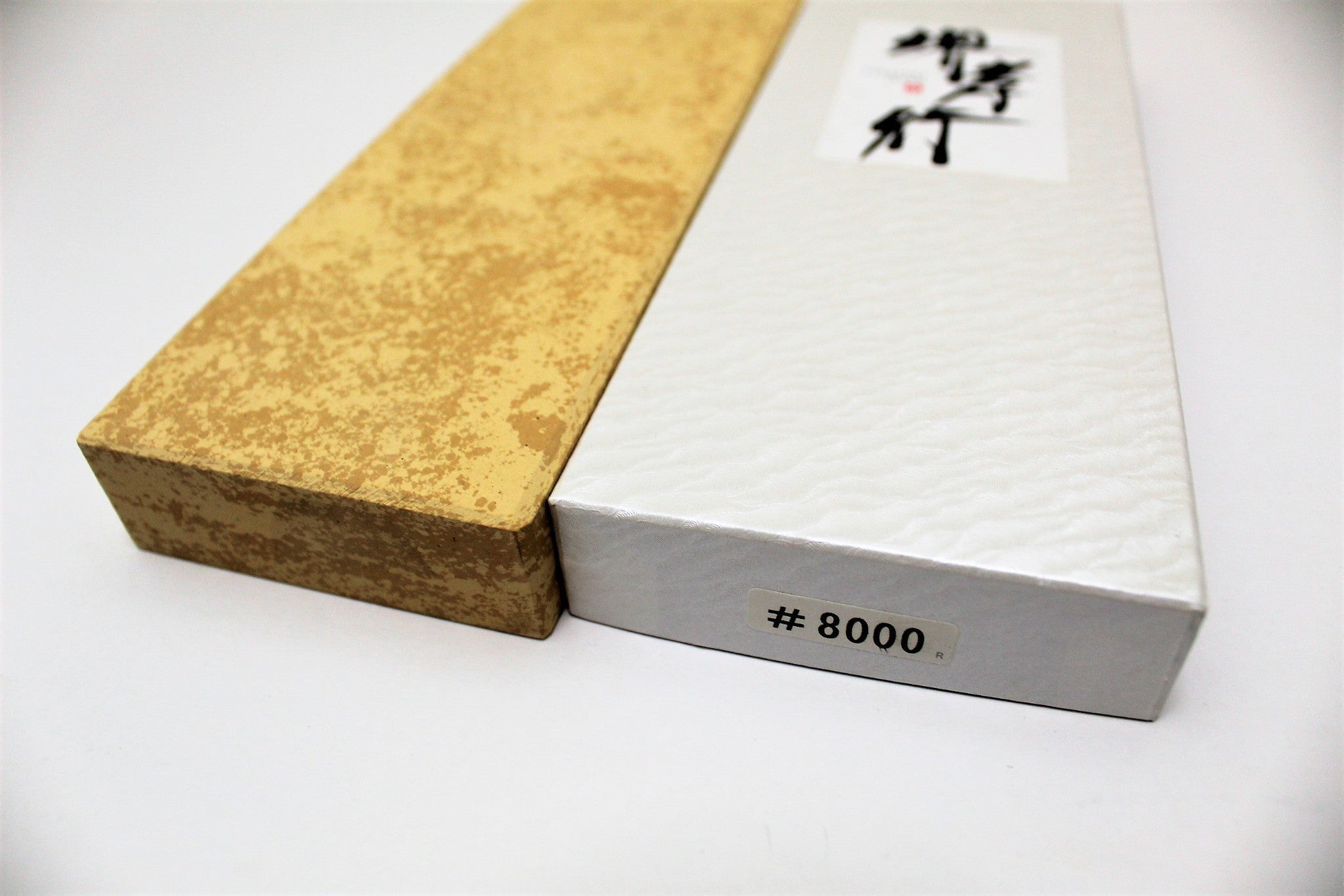


Hasu-Seizo is a family-owned and operated business proudly offering handcrafted Japanese knives to chefs of all levels in the U.S. and beyond. Originally from Osaka, we are the makers of the renowned Sakai Takayuki brand, carrying forward the rich traditions of Japanese knife-making. Rooted in generations of craftsmanship and dedication, we honor this legacy with every blade we create.