

Coarse Whetstones (200–600 Grit): The Foundation for Repair and Reset
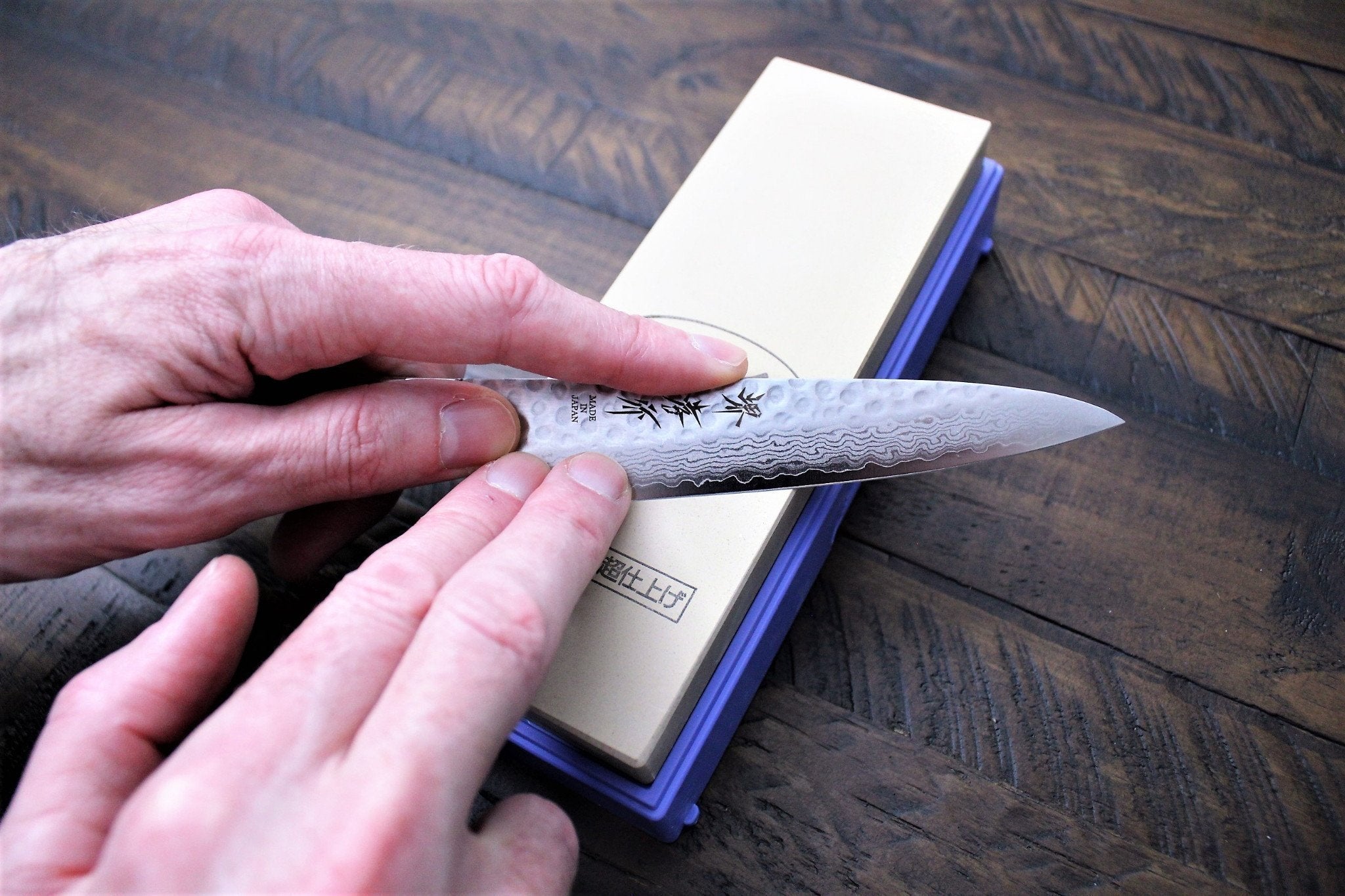
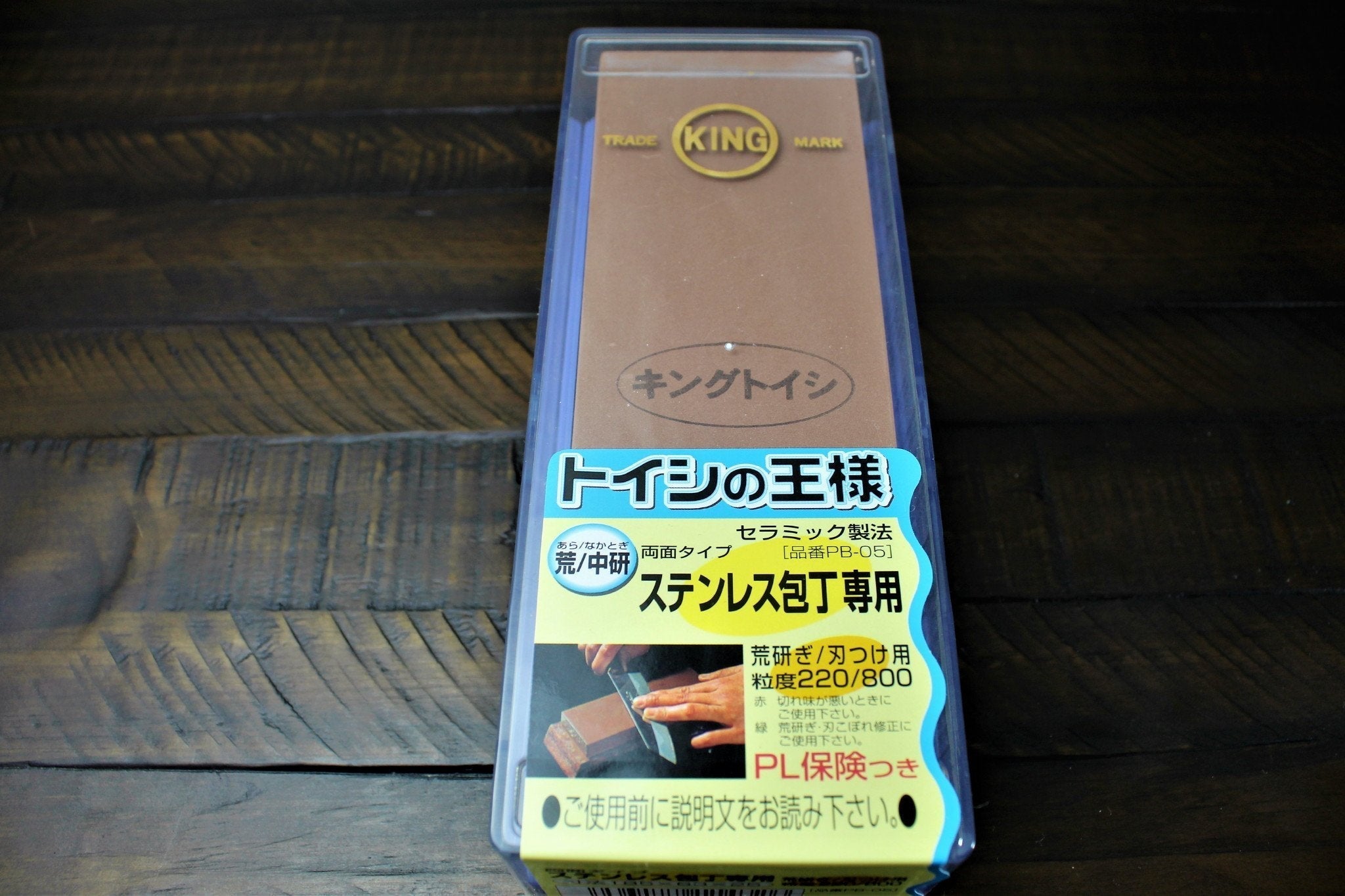
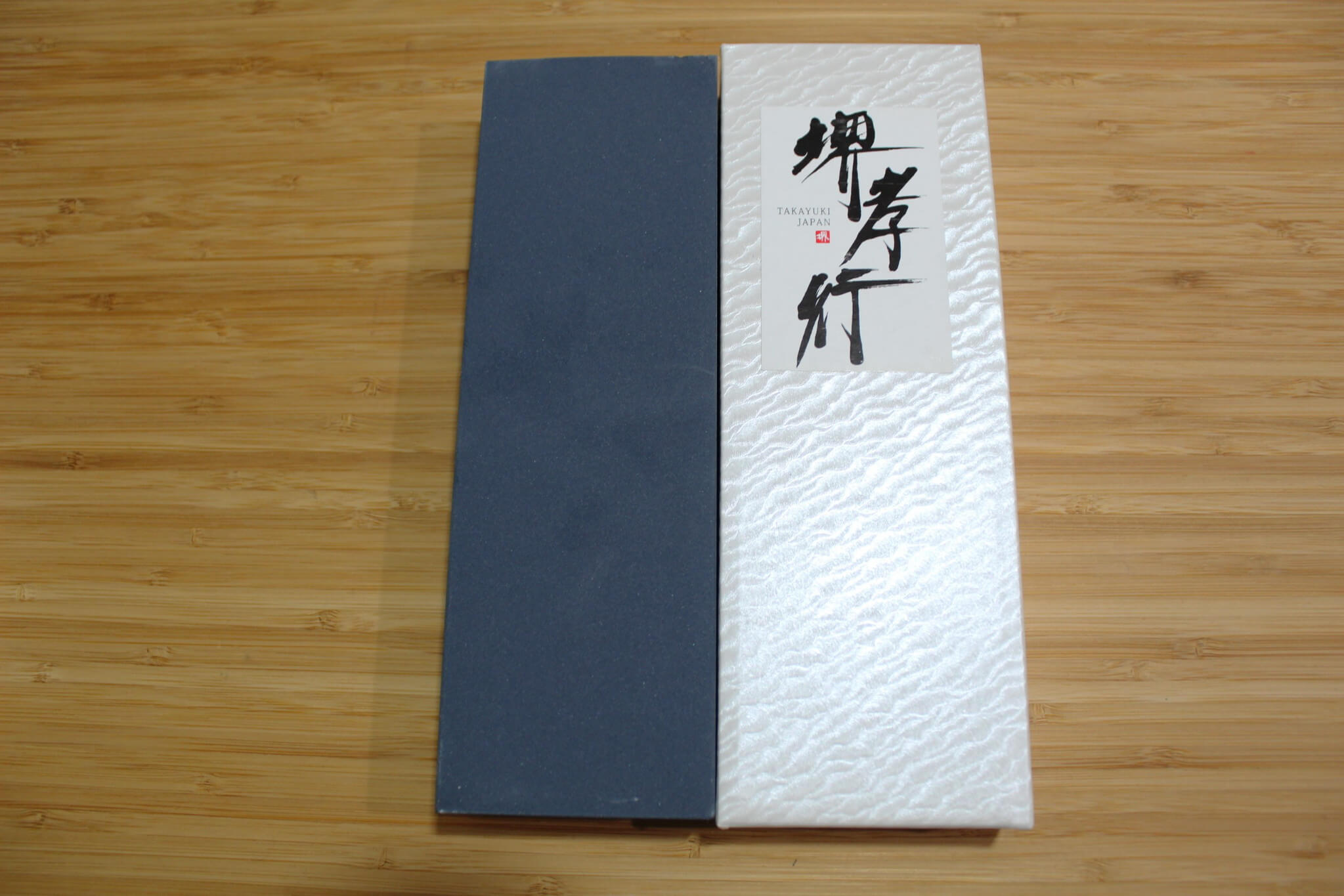
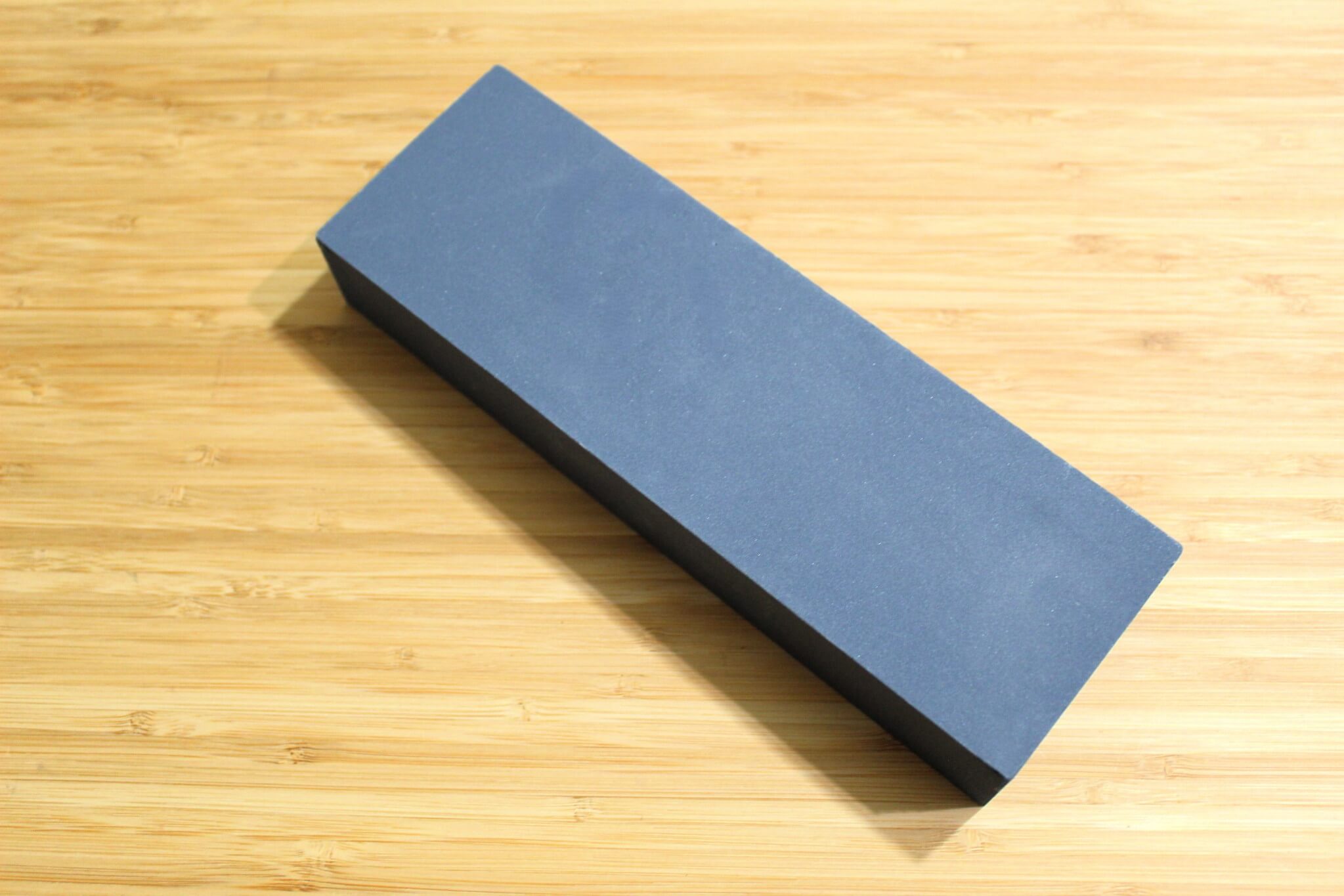
Coarse whetstones in the 200–600 grit range are the starting point for serious knife maintenance. These stones are designed for heavy material removal, making them essential when a blade is damaged, extremely dull, or in need of a complete edge reset. If your knife has chips, rolls, flat spots, or hasn’t been sharpened in months (or years), a coarse stone is where proper sharpening begins.
At this grit level, the stone works quickly, removing fatigued steel to establish a fresh, clean edge geometry. This is especially important for Japanese knives, which rely on precise angles and thin profiles to perform at their best. Attempting to sharpen a damaged blade on a finer stone often leads to frustration, inconsistent results, and unnecessary wear—coarse stones solve that problem efficiently and intentionally.
Because coarse stones remove steel aggressively, they are not meant for routine touch-ups. Instead, they serve as corrective tools, preparing the blade for refinement on medium and fine stones. Many professional chefs and sharpeners view coarse stones as a form of structural maintenance—used sparingly, but critically, when the knife truly needs intervention.
Common uses for coarse whetstones include:
- Repairing small chips or edge damage
- Restoring severely dull knives
- Resetting bevel angles
- Thinning behind the edge
Coarse stones require controlled pressure and proper technique, but when used correctly, they extend the life of your knife by restoring performance rather than forcing repeated passes on finer stones. Flattening is especially important at this grit, as uneven wear can quickly affect accuracy.
For anyone maintaining high-quality knives, a coarse whetstone is not optional—it’s the first step toward precision sharpening and long-term blade health.
Coarse whetstones in the 200–600 grit range are the starting point for serious knife maintenance. These stones are designed for heavy material removal, making them essential when a blade is damaged, extremely dull, or in need of a complete edge reset. If your knife has chips, rolls, flat spots, or. . . Show More >


Hasu-Seizo is a family-owned and operated business proudly offering handcrafted Japanese knives to chefs of all levels in the U.S. and beyond. Originally from Osaka, we are the makers of the renowned Sakai Takayuki brand, carrying forward the rich traditions of Japanese knife-making. Rooted in generations of craftsmanship and dedication, we honor this legacy with every blade we create.