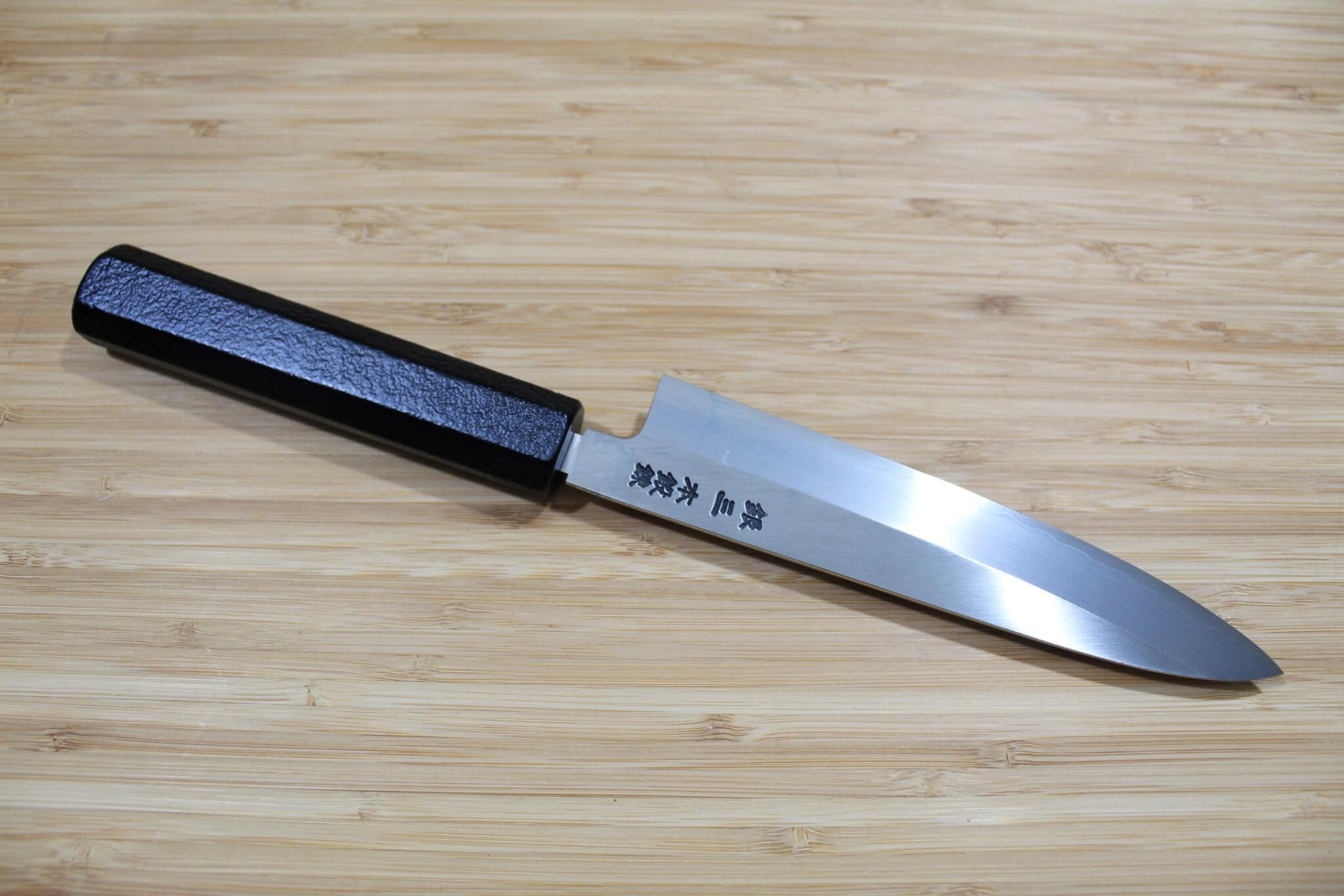

For decades, VG-10 has been the benchmark stainless steel for Japanese knives. It offered excellent corrosion resistance, good edge retention, and approachable sharpening—making it a favorite among home cooks and professionals alike.
But steel innovation continues to evolve.
Enter ZA-18, a newer stainless steel gaining attention for its higher hardness potential and refined cutting performance. As more makers adopt it, a common question arises:
In the ZA-18 vs VG-10 debate, is the new generation stainless steel really better—or simply different?
Why Stainless Steel Matters for Japanese Knives
Japanese knives are designed for thin grinds, acute edge angles, and precision cutting. Stainless steel plays a critical role in delivering this performance while minimizing maintenance.
The best stainless steel for Japanese knives must balance edge retention, toughness, corrosion resistance, and ease of sharpening—especially for home cooks who want performance without constant upkeep.
VG-10 Steel: The Gold Standard That Defined a Generation
VG-10 Composition & Performance
Developed in Japan by Takefu Special Steel, VG-10 contains roughly 1% carbon along with chromium, vanadium, and cobalt. It is typically hardened to around HRC 60–61, offering a reliable balance of sharpness and durability.
Strengths and Trade-Offs
- Excellent corrosion resistance
- Easy to sharpen on standard whetstones
- Stable and forgiving for most users
- Edge retention is solid, but not class-leading by modern standards
VG-10 remains an excellent choice, particularly for cooks who value predictability and ease of maintenance.
Shop VG-10 Stainless Steel Knives
ZA-18 Steel: The Evolution of Japanese Stainless
What Makes ZA-18 Different
Often viewed as a VG-10 alternative steel, ZA-18 is engineered to support higher hardness levels—typically HRC 61–63—while maintaining stainless corrosion resistance.
This allows makers to produce thinner edges with improved edge life, appealing to enthusiasts who prioritize cutting performance.
ZA-18 in Real-World Use
In the kitchen, ZA-18 delivers longer edge retention, a more aggressive bite on ingredients, and a refined feel that experienced users quickly notice. While slightly more demanding to sharpen than VG-10, it remains approachable for anyone comfortable with basic whetstone technique.
Shop ZA-18 Stainless Steel Knives
ZA-18 vs VG-10: Side-by-Side Performance Breakdown
| Performance Factor | VG-10 Stainless Steel | ZA-18 Stainless Steel |
|---|---|---|
| Sharpness | ★★★⯪☆ | ★★★★⯪ |
| Edge Retention | Very good | Excellent |
| Toughness | ★★★★☆ | ★★★★⯪ |
| Corrosion Resistance | ★★★★★ | ★★★★★ |
| Ease of Sharpening | ★★★★☆ | ★★★⯪☆ |
| Price | More affordable | Slightly higher |
| Availability | Very widely available | Limited, growing adoption |
Which Steel Is Right for You?
If you value ease of sharpening, forgiveness, and a proven track record, VG-10 remains an outstanding choice. It continues to be one of the most reliable answers when people ask for the best stainless steel for Japanese knives.
If edge retention, higher hardness, and refined cutting feel matter most—and you cook often—ZA-18 offers a compelling step forward.
Final Verdict: ZA-18 vs VG-10 in Today’s Kitchen
VG-10 built its reputation for good reason, and it remains a staple of modern Japanese cutlery. ZA-18, however, represents the next stage of stainless steel development—pushing performance further while maintaining everyday usability.
In the end, the ZA-18 vs VG-10 decision isn’t about which steel is objectively better—it’s about which steel best matches how you cook.