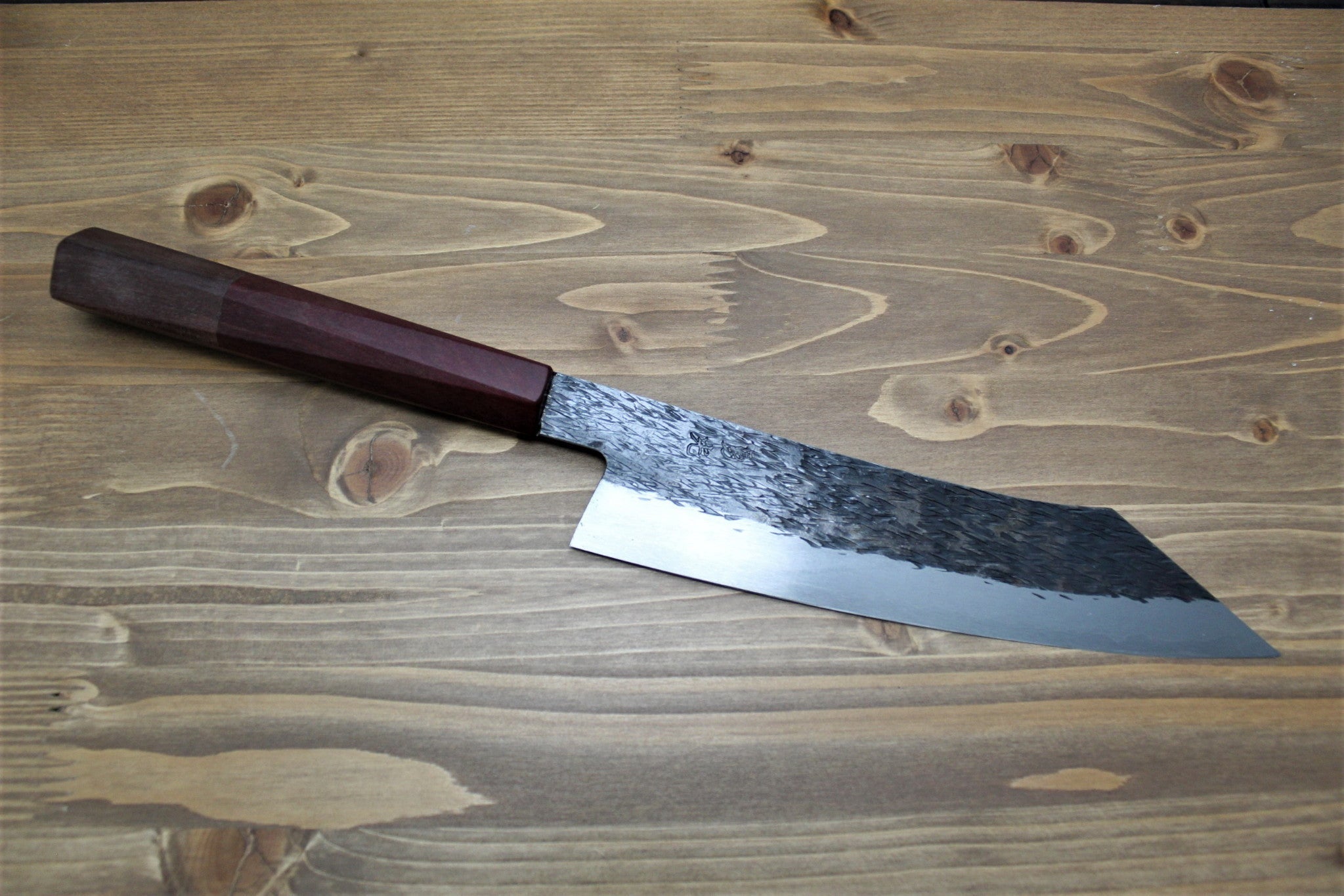
Article: Miki Hamono Seisakusho: Family-Run Craftsmanship from Japan’s Oldest Blacksmith Town
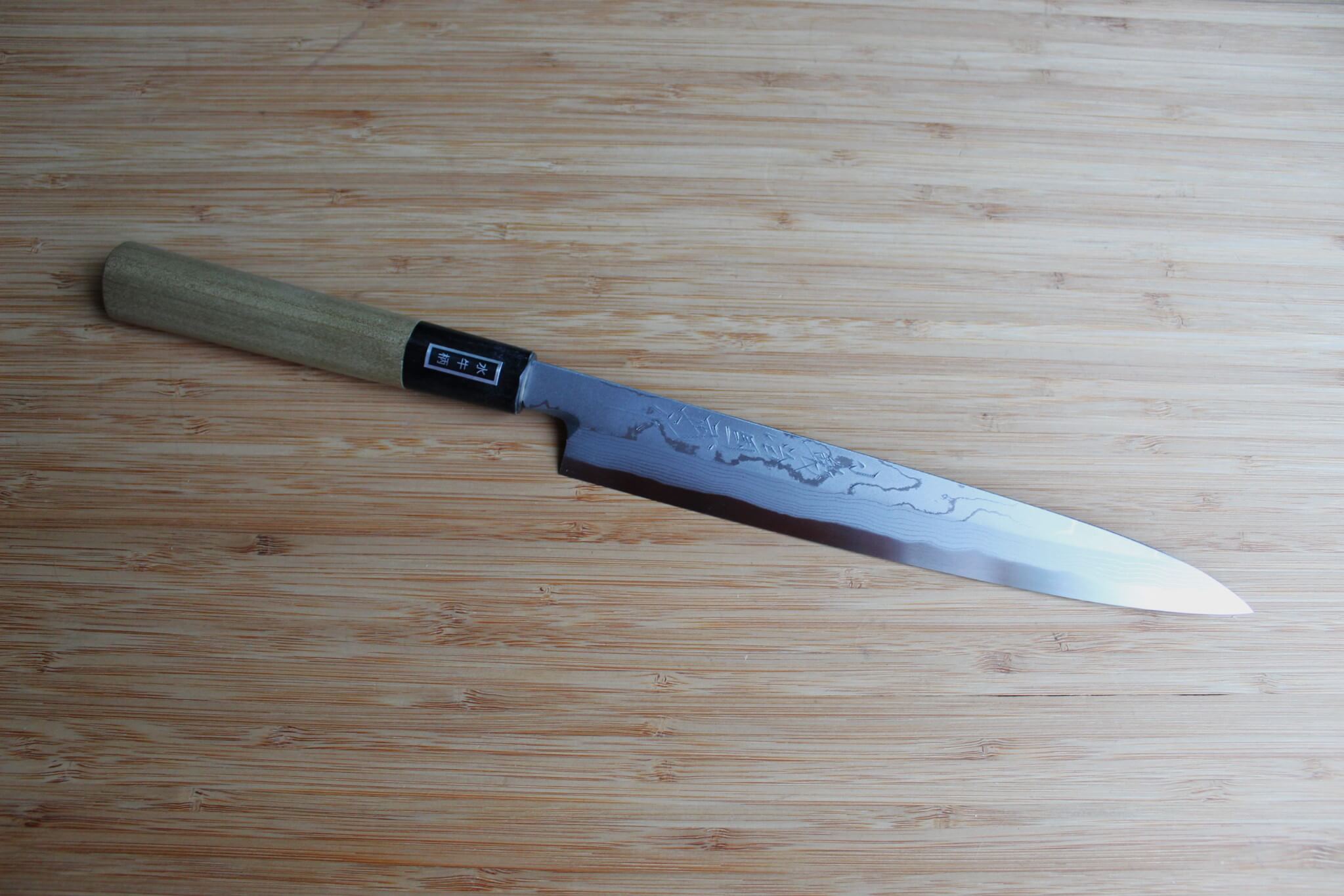
Miki Hamono Seisakusho: Family-Run Craftsmanship from Japan’s Oldest Blacksmith Town
In a world where many knives are mass-produced and marketed as “artisan,” true Japanese handmade knives still begin with fire, steel, and human hands. Few places embody this legacy more completely than Miki Hamono Seisakusho, a family-run workshop rooted in Japan’s oldest blacksmith town.
For chefs and knife enthusiasts seeking authenticity, performance, and heritage, Miki Hamono represents what Japanese knife-making has always been about: quiet mastery refined over generations.
Why Miki City Is Japan’s Oldest Blacksmith Town
Located in Hyogo Prefecture, Miki City has been a center of blacksmithing for over 1,000 years. Unlike regions that later shifted toward industrial production, Miki preserved a dense network of small, independent workshops specializing in hand-forged tools.
Historically, Miki blacksmiths produced:
- Farming tools
- Carpentry blades
- Saws and chisels
- Eventually, kitchen knives
This tool-first mentality shaped Miki City knives into something distinct—practical, durable, and purpose-driven, with less emphasis on decoration and more focus on cutting performance.
The Story of Miki Hamono Seisakusho
Miki Hamono Seisakusho is not a factory—it is a workshop where craftsmanship is passed down, not outsourced.
As a family-run blacksmith, the workshop embodies:
- Generational knowledge
- Consistent forging philosophy
- Deep respect for steel behavior
Every blade reflects the accumulated experience of making tools meant to be used daily—not displayed.
Unlike mass brands, Miki Hamono maintains control over:
- Steel selection
- Heat treatment
- Blade geometry
- Final sharpening
This continuity is why knives from Miki Hamono feel immediately familiar in hand yet perform at a professional level.
Traditional Forging Techniques That Define Miki Hamono
Hand Forging Over Automation
Miki Hamono knives are shaped through traditional forging, not stamped or laser-cut. This process aligns the steel’s grain structure, improving durability and sharpening response.
Steel Selection & Heat Treatment
While many workshops chase trends, Miki Hamono focuses on steels that:
- Take a keen edge
- Offer predictable sharpening feedback
- Balance hardness with toughness
Careful heat treatment ensures:
- Excellent edge retention
- Reduced chipping risk
- Long-term stability
This is why experienced sharpeners often describe Miki City knives as “honest steel.”
Knife Performance: What Chefs Feel on the Cutting Board
Performance isn’t theoretical—it’s tactile.
Chefs using miki hamono knives consistently note:
- Clean food release from thoughtful blade geometry
- Confidently bite into proteins and vegetables
- Smooth sharpening feel on whetstones
- Predictable edge wear, not sudden dulling
These qualities make Miki Hamono knives especially appealing to professionals who sharpen their own tools and value consistency over flash.
Who Miki Hamono Knives Are Best For
Miki Hamono Seisakusho knives are ideal for:
Experienced Home Chefs
- Ready to upgrade from entry-level Japanese knives
- Interested in learning sharpening
- Value performance over branding
Professional Chefs
- Need dependable daily drivers
- Prefer steel that sharpens easily
- Appreciate understated design
Knife Enthusiasts
- Collectors seeking regional authenticity
- Fans of Japanese handmade knives
- Those interested in Miki City’s legacy
These are knives meant to work—and age beautifully with use.
Caring for Japanese Handmade Knives from Miki
To get the most from Japanese handmade knives, proper care is essential:
Best Practices
- Hand wash and dry immediately
- Use wooden or rubber boards
- Avoid bones and frozen foods
- Sharpen regularly with whetstones
With basic care, Miki Hamono knives will develop character while maintaining performance for decades.
Why Hasu-Seizo Curates Miki Hamono Seisakusho
At Hasu‑Seizo, curation matters as much as craftsmanship.
We select Miki Hamono Seisakusho because:
- Their knives reflect an authentic regional identity
- Quality is consistent, not seasonal
- Performance speaks louder than marketing
Every knife we offer is chosen to help customers understand, use, and appreciate Japanese craftsmanship, not just own it.
Join our newsletter to explore more regional knife histories and artisan insights.