Itsuo Doi: The Legacy of a Sakai Master Blacksmith and His Carbon Steel Knives
In the world of Japanese knives, few names command the same quiet reverence as Itsuo Doi. Known for his uncompromising standards and mastery of carbon steel, Doi stands as a living link between Sakai’s centuries-old blade tradition and the demands of modern professional kitchens.
For chefs who value sharpness above all else—and for enthusiasts who appreciate the soul behind a blade—Itsuo Doi knives are more than tools. They are expressions of heritage, discipline, and performance.
Sakai: Japan’s Historic Capital of Blade Making
Long before Sakai became synonymous with kitchen knives, it was already shaping Japan’s blade culture.
Why Sakai Became the Heart of Japanese Cutlery
Located just south of Osaka, Sakai rose to prominence during the Muromachi period as a center for swordsmithing. When Japan transitioned from swords to tools, Sakai’s craftsmen adapted their forging expertise to kitchen knives—retaining the same meticulous approach to steel and heat treatment.
Today, Sakai-made knives are trusted by:
- Michelin-starred chefs
- Professional sushi masters
- Culinary schools across Japan
Itsuo Doi is one of the artisans who upheld this reputation through decades of disciplined work.
Who Is Itsuo Doi? A Master Blacksmith’s Journey
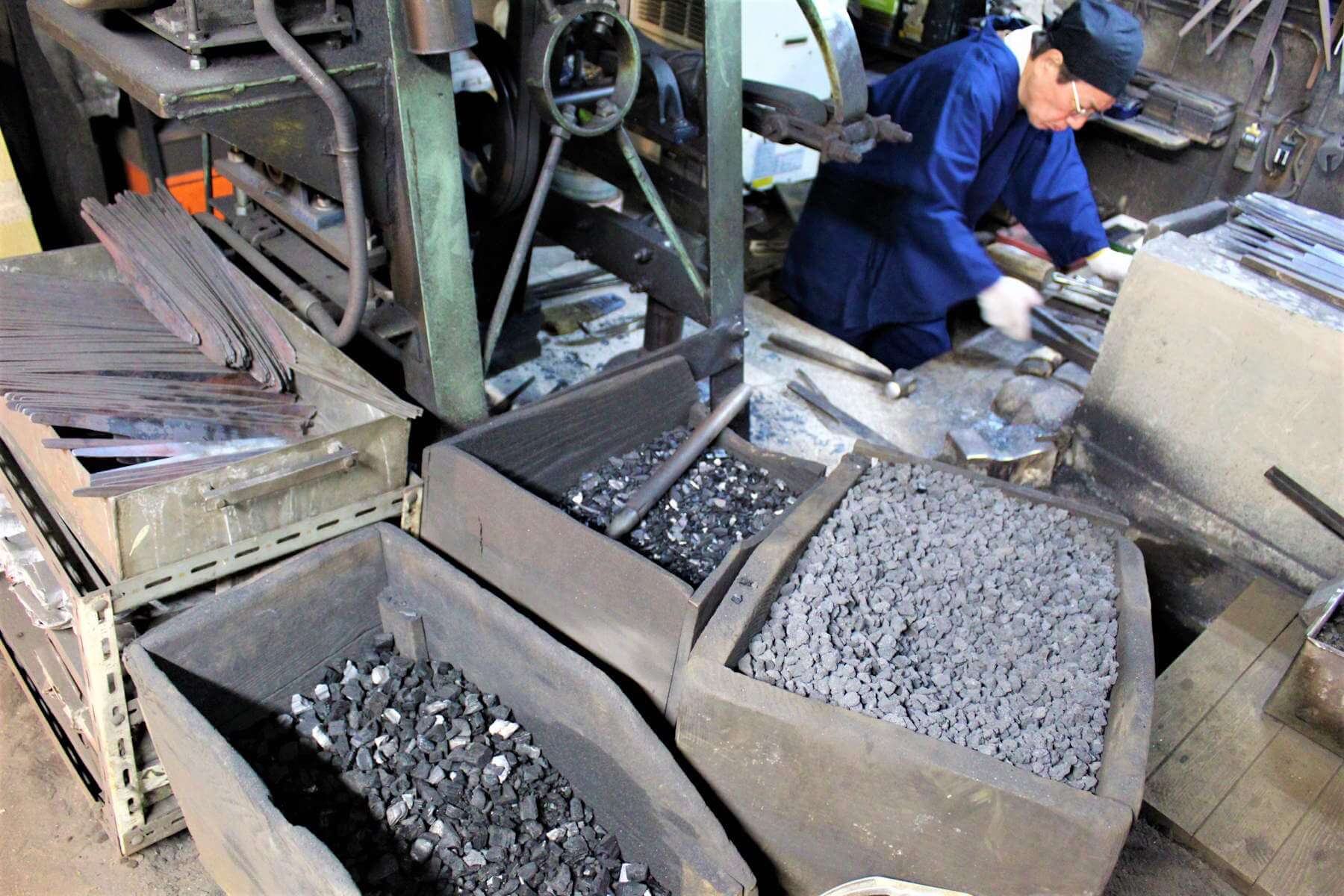
Itsuo Doi is widely regarded as one of Sakai’s most respected carbon steel specialists. Trained in the traditional system where skills are passed through observation, repetition, and years of silent refinement, Doi embodies the shokunin mindset—total dedication to one’s craft.
Training, Lineage, and the Shokunin Spirit
Unlike mass-production knife makers, Doi worked within Sakai’s division-of-labor system, collaborating with specialist sharpeners to ensure every blade met exacting standards.
His philosophy is simple but demanding:
- Steel must be understood, not forced
- Heat treatment defines a knife’s soul
- Consistency matters more than volume
As a result, Itsuo Doi knives are produced in extremely limited quantities, making them highly sought after by professionals and collectors alike.
What Makes Itsuo Doi Knives Exceptional
Mastery of Japanese Carbon Steel
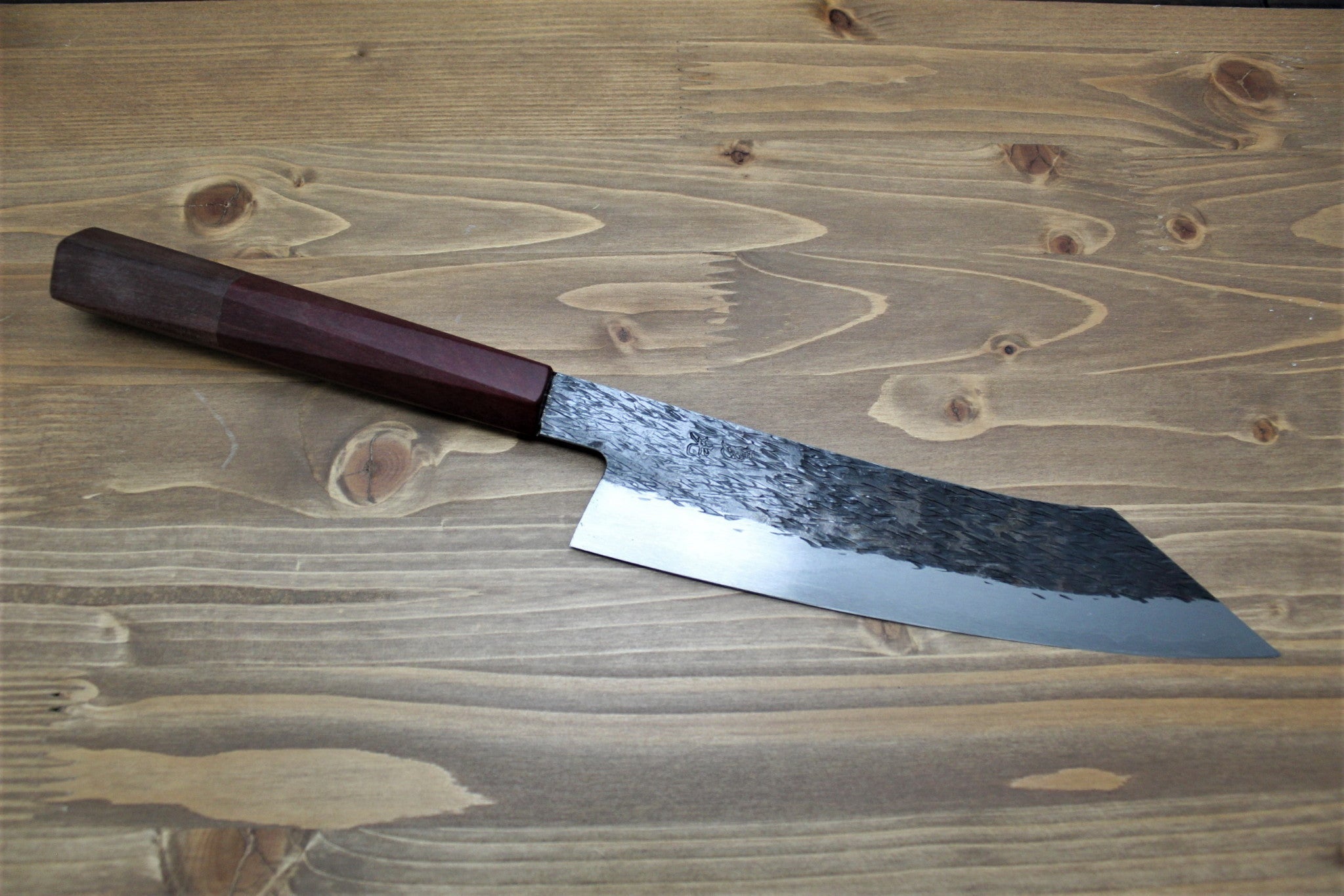
Itsuo Doi is especially renowned for his work with White Steel (Shirogami)—one of the purest carbon steels used in Japanese knife making.
Benefits of Doi’s carbon steel knives include:
- Exceptional sharpness potential
- Fine, refined edge geometry
- Responsive feedback on the cutting board
Because of the steel’s purity, any imperfection in forging or heat treatment is immediately apparent—making it a true test of a blacksmith’s skill.
Heat Treatment and Hand Forging Precision
Doi’s reputation is built on precise heat control, a critical factor in carbon steel performance. Properly treated steel offers:
- Long-lasting edge retention
- Reduced brittleness
- Predictable sharpening behavior
This balance is why professional chefs trust Doi’s blades in demanding, high-volume environments.
Carbon Steel Knives in Professional Kitchens
Why Chefs Choose Carbon Steel
Despite requiring more care than stainless steel, Japanese carbon steel knives remain the gold standard for many professionals.
Chefs choose them because:
- They sharpen faster and cleaner
- They achieve a keener edge
- They develop a natural patina that protects the blade
Itsuo Doi knives, in particular, are prized for their controlled hardness, offering elite performance without excessive chipping.
Performance, Sharpness, and Edge Life
In side-by-side comparisons, chefs often note:
- Smoother cuts through proteins
- Cleaner vegetable slices with less cell damage
- Greater control during precision tasks
These qualities directly impact food quality—one reason Sakai-forged knives dominate professional kitchens.
Caring for an Itsuo Doi Knife
Owning a knife forged by Itsuo Doi is a responsibility as much as a privilege.
Maintenance Tips for Long-Term Performance
- Always hand-wash and dry immediately
- Store in a saya or knife guard
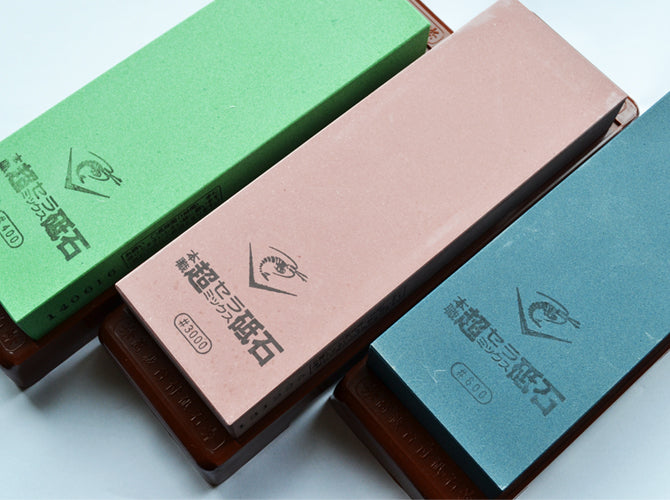
- Use quality whetstones for sharpening
- Allow a natural patina to form—it’s protective
With proper care, an Itsuo Doi knife can last decades, improving with age.
Owning a Piece of Sakai’s Living Legacy
To own an Itsuo Doi knife is to hold a tangible piece of Sakai’s living history. Each blade reflects:
- Generations of accumulated knowledge
- The discipline of traditional forging
- A refusal to compromise in pursuit of excellence
For collectors, it is an heirloom.
For chefs, it is a trusted partner.
In both cases, it is a knife that rewards respect.
Experience Itsuo Doi Knives for Yourself
In an era of automation, Itsuo Doi knives stand as proof that true craftsmanship still matters. Forged in Sakai using traditional Japanese carbon steel techniques, these blades deliver performance that only decades of experience can produce.
If you value sharpness, heritage, and authenticity, an Itsuo Doi knife is not simply a purchase—it is an investment in craftsmanship.