
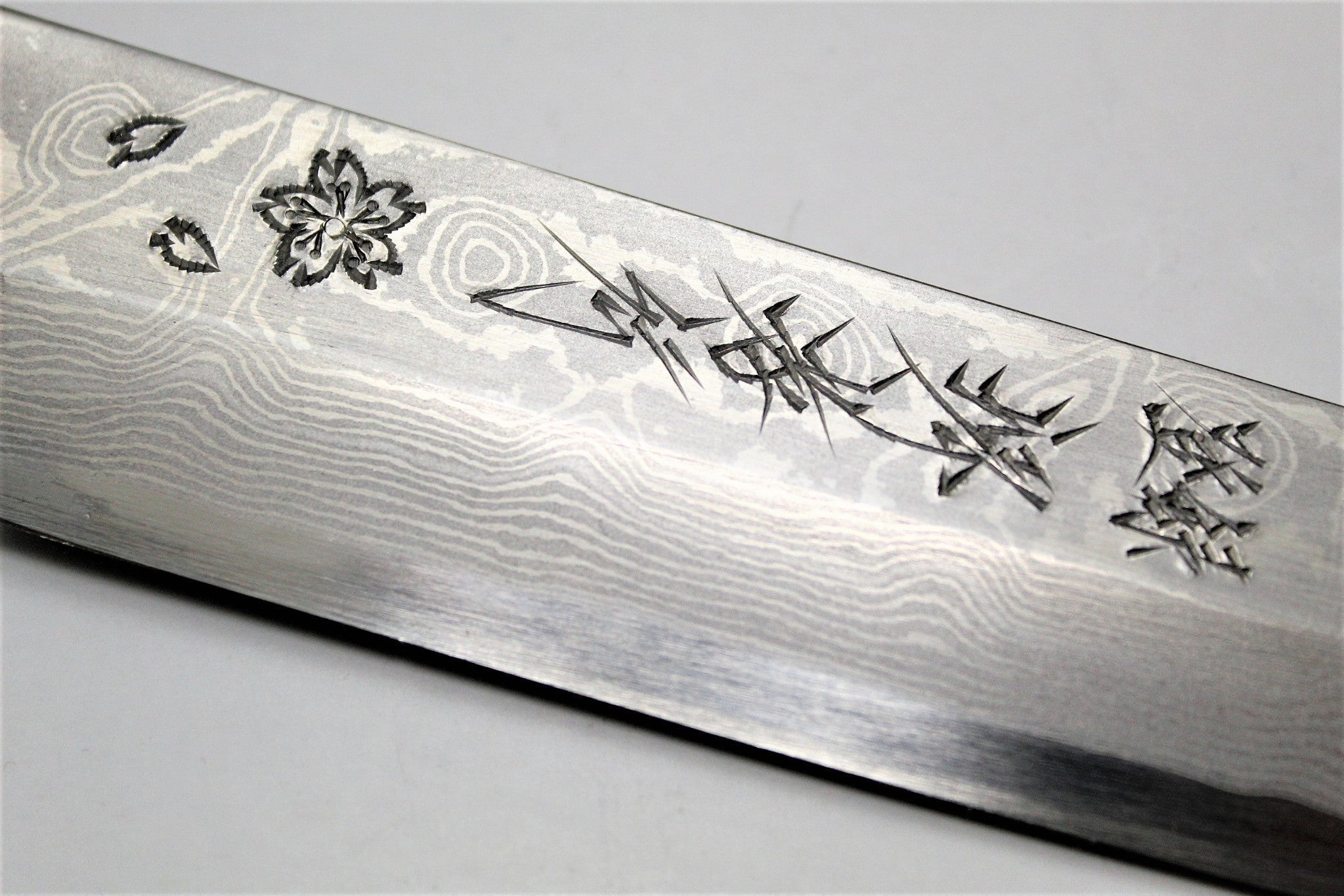
Ginsan vs Shirogami: Which Steel Gives the Better Cutting Experience?
When chefs and knife collectors discuss the best Japanese steels, two names rise above the rest: Ginsan (Silver #3) and Shirogami (White Steel). Both are iconic in their own right, prized for purity, sharpness, and the cutting feel that defines high-quality Japanese knives.
But which steel actually provides the better cutting experience?
This detailed guide breaks down metallurgy, real-world performance, sharpening ease, and knife maintenance—so you can pick the steel that best fits your cooking style.
What Makes This Comparison Important?
Serious chefs and collectors know that steel isn’t just a number on a spec sheet—it determines how a knife feels on the board.
- Does the blade glide through ingredients?
- Does the edge keep its bite during long prep sessions?
- How often do you need to sharpen it?
- Does maintenance fit your lifestyle?
Understanding Ginsan vs Shirogami helps you select a knife you'll love using every day.
Shirogami Steel: The Pursuit of Pure, Traditional Sharpness
Composition & Metallurgy
- Ultra-pure carbon steel
- Minimal alloying elements
- Extremely fine-grained structure
This makes Shirogami exceptionally easy to sharpen and capable of taking a frighteningly keen edge.
Sharpness & Cutting Feel
Shirogami knives are known for:
- Featherlight cuts
- Crisp, clean separation of ingredients
- A “sticky” edge that grips tomatoes, fish, and proteins
This is the steel of choice for sushi chefs who demand perfect cuts.
Edge Retention & Maintenance
- Edge retention: high (depending on heat treatment)
- Maintenance: requires wiping immediately to prevent rust
- Patina forms quickly
Shirogami rewards careful owners with unmatched sharpness—but demands attention.
Best For
- Professional chefs
- Sharpening enthusiasts
- Users who appreciate traditional carbon steel performance
Ginsan Steel: Stainless Convenience with Traditional Performance
Composition & Metallurgy
- Stainless steel with ~13–14% chromium
- Fine-grain structure similar to Shirogami
- Excellent heat treatment potential
Ginsan is clean, refined, and surprisingly easy to sharpen compared with other stainless steels.
Sharpness & Cutting Feel
Ginsan delivers:
- Smooth, controlled cutting
- Crisp edges similar to carbon steel
- A more “buttery” glide compared to Shirogami’s crispness
Many chefs love it because it balances performance with low maintenance.
Edge Retention & Maintenance
- Edge retention: excellent
- Maintenance: minimal—high rust resistance
Best For
- Busy home chefs
- Professionals needing easy maintenance
- Anyone wanting carbon-like performance in stainless form
Ginsan vs Shirogami: Side-by-Side Comparison
| Attribute | Ginsan (Silver #3) | Shirogami (White Steel) |
|---|---|---|
| Sharpness | ★★★★⯪ | ★★★★★ |
| Edge Retention | ★★★★☆ | ★★★★★ |
| Toughness | ★★★★☆ | ★★★☆☆ |
| Sharpening Ease | ★★★★☆ | ★★★★⯪ |
| Corrosion Resistance | ★★★★⯪ | ★☆☆☆☆ |
| Cutting Feel | Smooth, buttery | Crisp, precise |
Which Steel Gives the Better Cutting Experience?
Your choice depends on your cooking style. Shirogami offers unmatched sharpness and precision, while Ginsan offers stainless convenience with near-carbon performance.
Choose Shirogami if you want:
- The absolute sharpest edge
- The most responsive cutting feel
- A steel that takes a perfect polish
- A traditional Japanese knife experience
Ideal for sashimi, kaiseki prep, and collectors who appreciate craftsmanship.
Choose Ginsan if you want:
- Stainless convenience with traditional performance
- Excellent edge holding
- A versatile steel for all ingredients
- A knife you don’t need to baby
Ideal for chefs who need both performance and durability.
How Artisan Craftsmanship Changes Everything
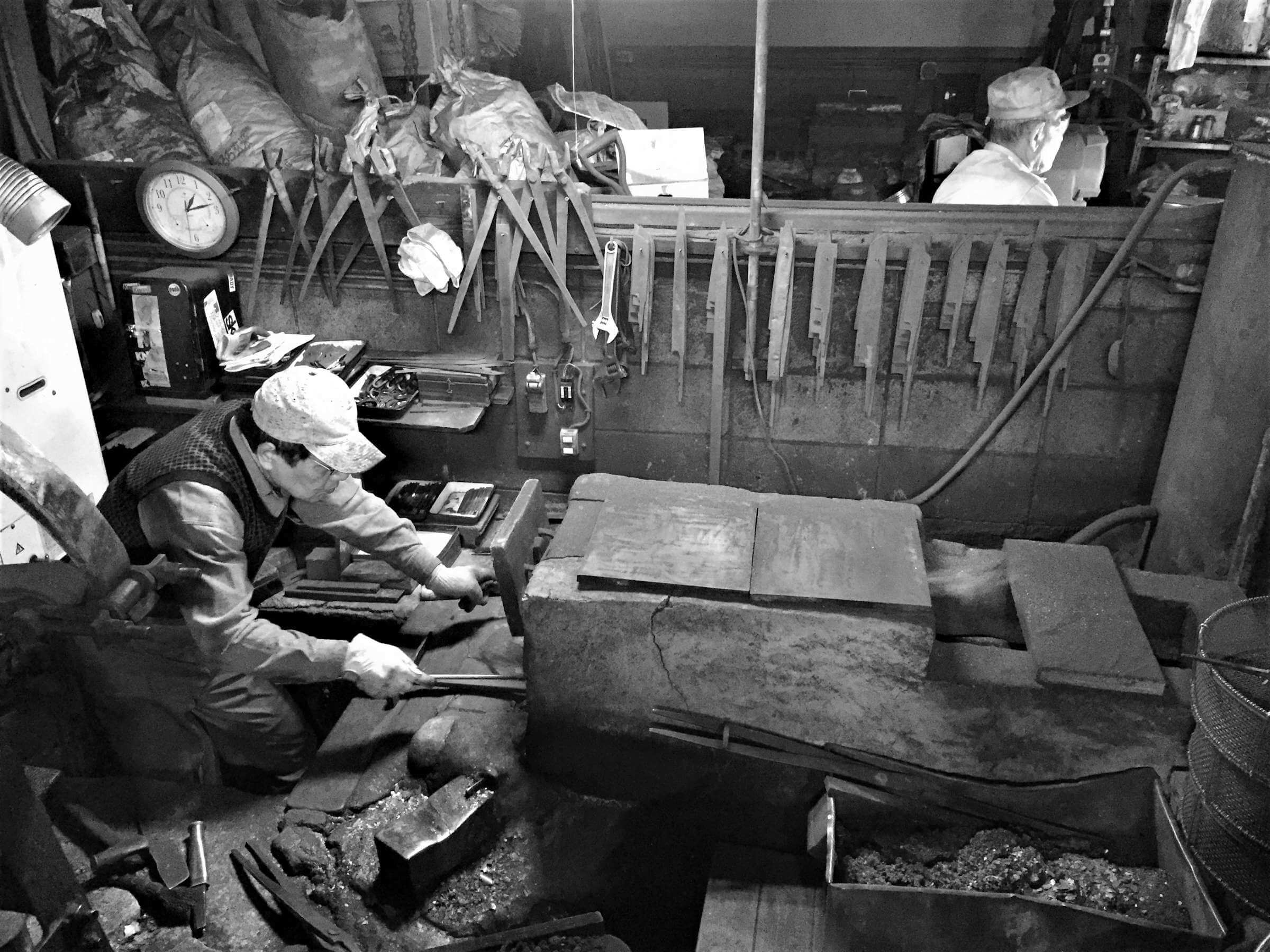
Even the best steel is only as good as the smith who forges and heat-treats it.
At Hasu-Seizo, we work directly with artisans from Sakai, Sanjo, and Tosa—craftsmen whose heat treatment and grinding elevate these steels beyond their technical specifications.
Whether it's:
- The glassy polish on a Sakai Takayuki Ginsan gyuto
- The needle-sharp edge of a Fujiwara Forged Shirogami petty
- The balanced, hand-finished geometry of Kyokuyou Ginsan blades
—craftsmanship determines how these steels truly perform in your hand.
Recommended Ginsan & Shirogami Knives
Top Ginsan Picks
Top Shirogami Picks
- Shirogami #2 Gyuto with Hammered finish
- Shirogami Yanagiba for sushi and sashimi
- Hand-forged Shirogami Petty
Each knife is selected for exceptional heat treatment, balance, and finishing.
Final Verdict — Which Steel Should You Choose?
Both steels offer incredible cutting performance, but your lifestyle determines the winner:
- Choose Shirogami if you love sharpening, precision, and traditional Japanese steel performance.
- Choose Ginsan if you want near-carbon performance with stainless convenience and outstanding edge retention.
No matter which you choose, both steels represent the best of Japanese craftsmanship—and both are available in our artisan-curated collection.
Upgrade Your Cutting Experience
Explore our curated selection of handcrafted Ginsan and Shirogami knives.
Shop Handcrafted Ginsan Knives NowShop Handcrafted Shirogami Knives Now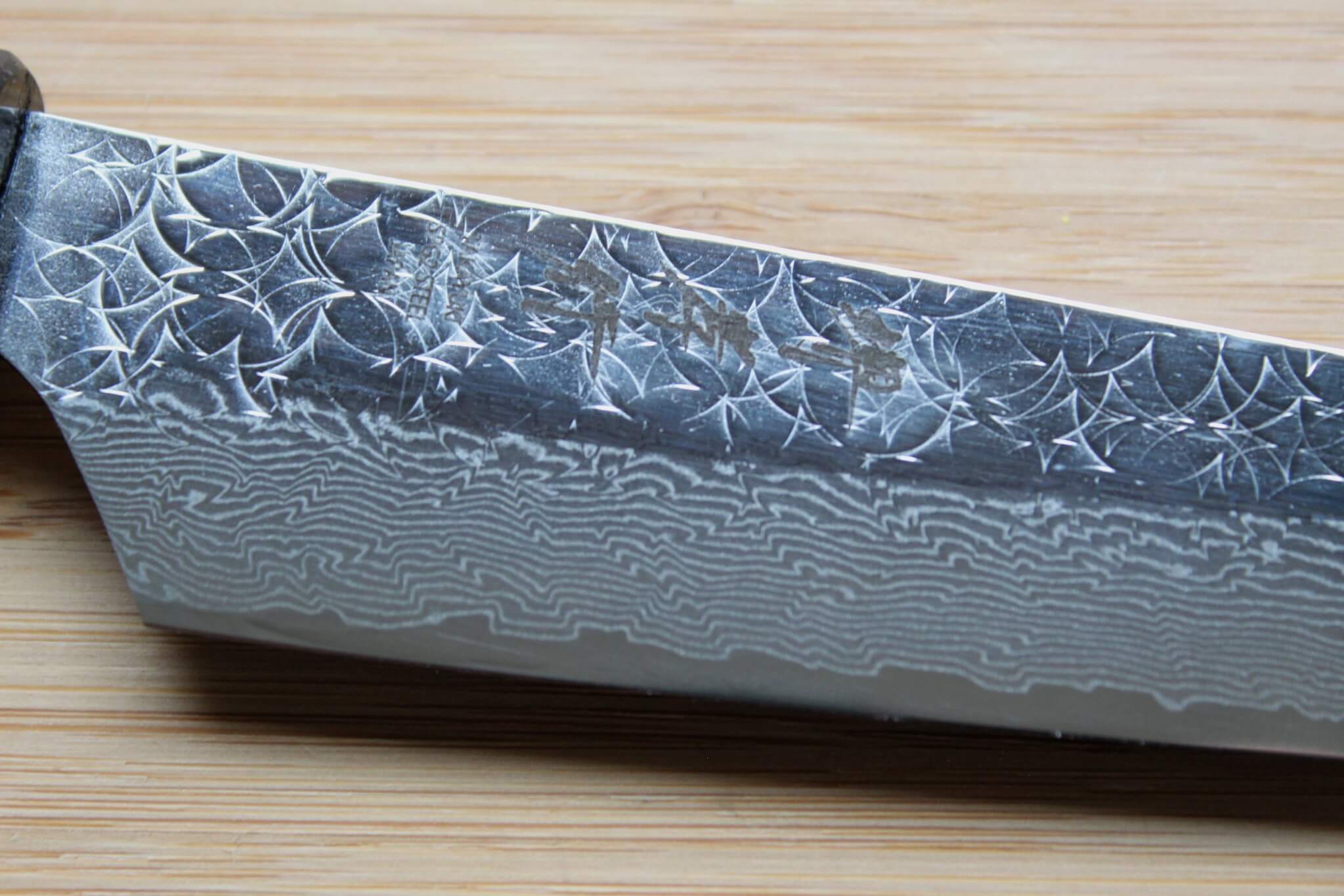


%20and%20Shirogami%20(White%20Steel).%20Both%20are%20iconic%20in%20their%20own%20right,%20prized%20for%20puri...)