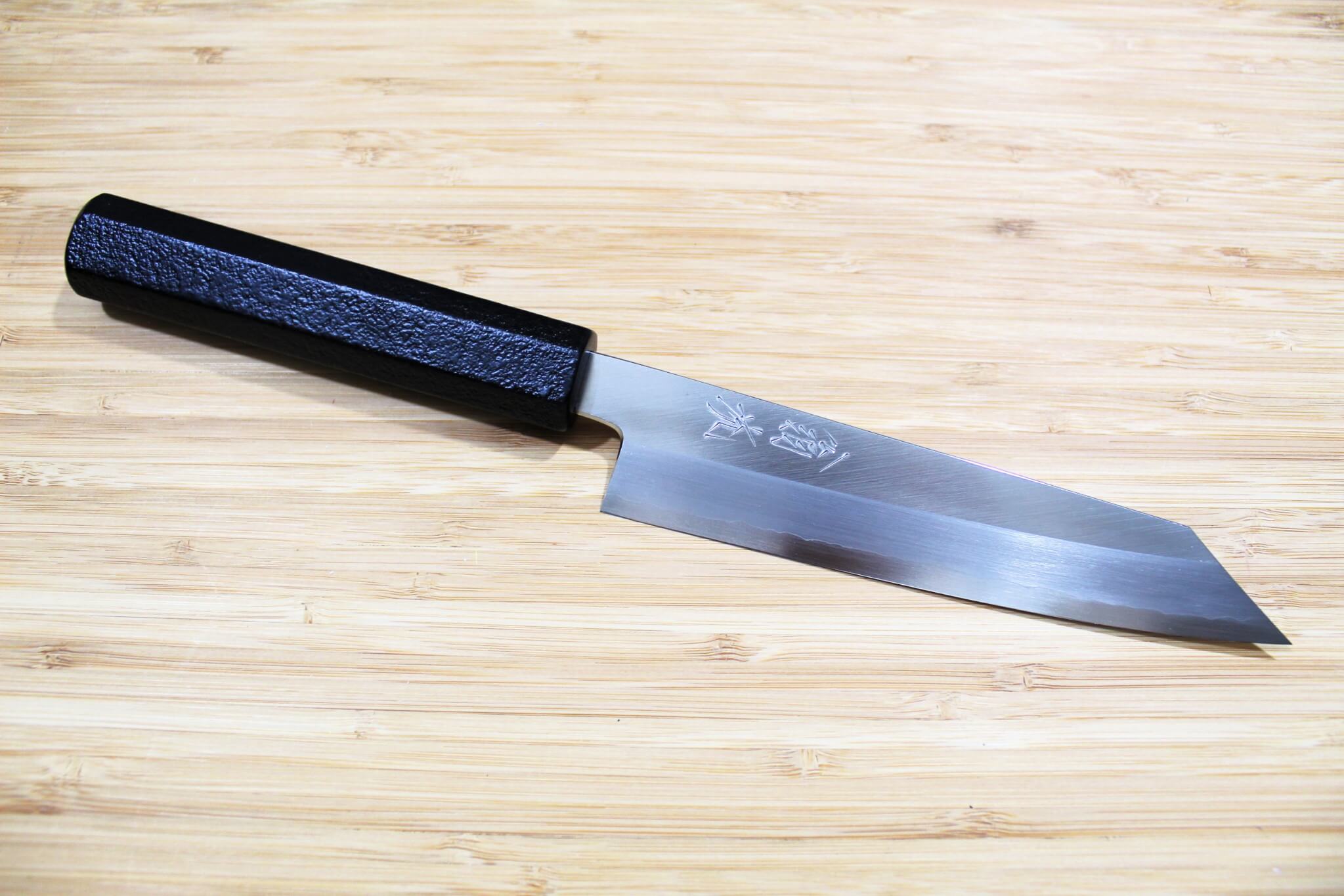
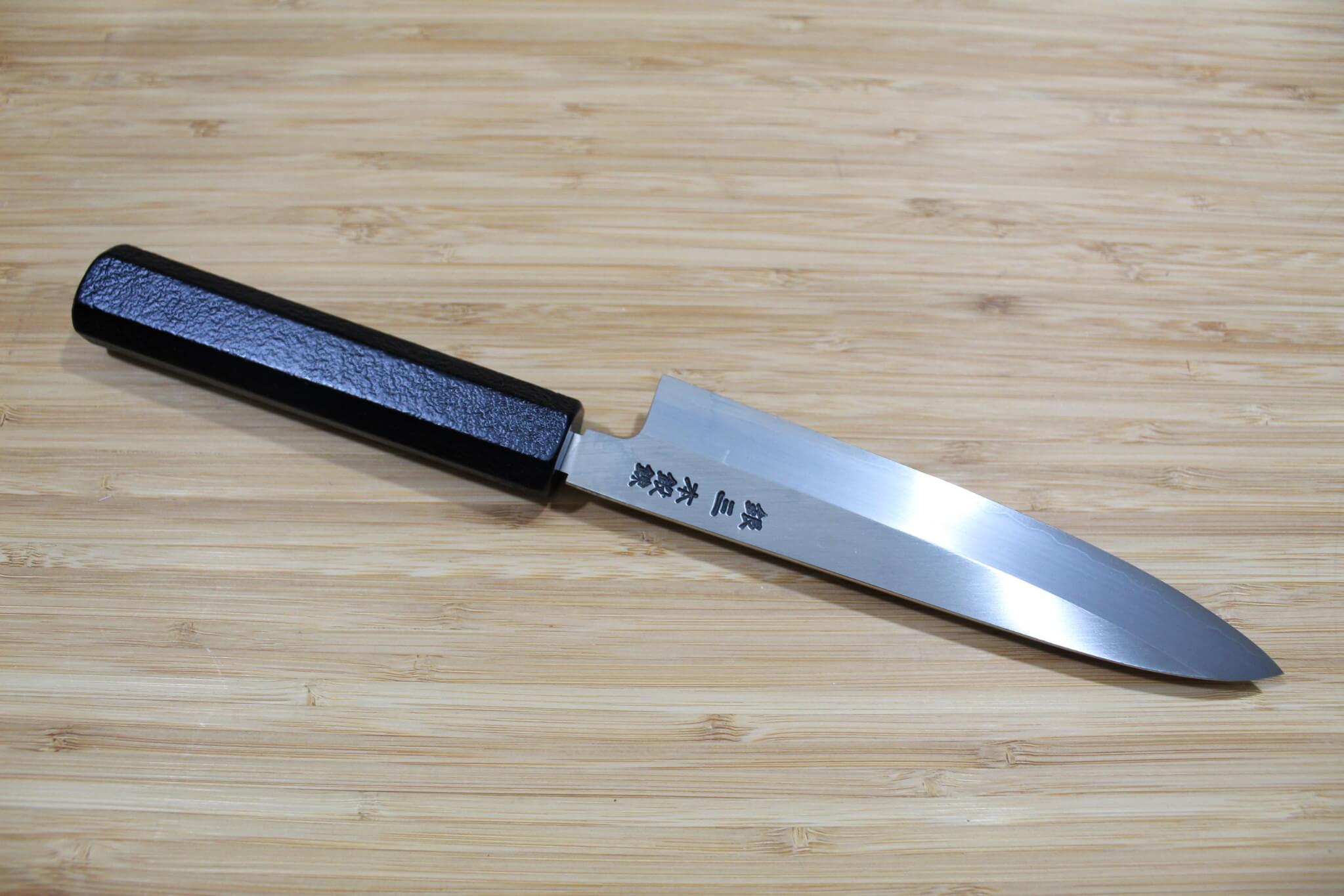
When choosing a Japanese stainless steel knife, few comparisons matter more than VG-10 vs Ginsan. Both steels are beloved by chefs, collectors, and Japanese knife enthusiasts—but for very different reasons. Understanding their strengths helps you select a knife that fits your cooking style, sharpening habits, and long-term expectations.
What Makes This Comparison Important?
Japanese stainless steels continue to evolve, offering sharper edges, better corrosion resistance, and improved durability compared to older Western steels. VG-10 has long been considered the gold standard in stainless knife performance—but in the last decade, Ginsan (Silver #3) has grown rapidly in popularity among high-end blacksmiths.
What Is VG-10?
Core Composition & Performance
VG-10 is a high-carbon stainless steel created by Takefu Special Steel. Its composition includes carbon, chromium, cobalt, vanadium, and molybdenum, giving it a strong combination of stain resistance and sharpness.
Benefits for Home Cooks
- Great edge for everyday cooking
- Less prone to chipping
- Requires less frequent sharpening
- Often available at lower price points
Common Makers Who Use VG-10
Seki City manufacturers, Sakai Takayuki, and many brands targeting home cooks frequently use VG-10 for its reliability.
What Is Ginsan (Silver #3)?
Metallurgy & Sharpness Qualities
Ginsan, also known as Silver No. 3, is a high-purity stainless steel designed to offer carbon-steel-like sharpness without rust issues. Its fine-grain structure creates a polished, razor-like edge.
Why Artisans Prefer Ginsan
- Smooth carbon-like sharpening feel
- Responds beautifully to polishing
- Allows for extremely refined edges
- Favored by Sakai and Echizen craftsmen
Common Knifemaking Regions Using Ginsan
Sakai, Echizen, and Sanjo regions commonly produce Ginsan knives, especially for professional-grade kitchen tools.
VG-10 vs Ginsan: Side-by-Side Comparison
| Attribute | VG-10 | Ginsan (Silver #3) |
|---|---|---|
| Sharpness | ★★★⯪☆ | ★★★★☆ |
| Edge Retention | Both steels offer excellent retention with minimal differences between makers. | Both steels offer excellent retention with minimal differences between makers. |
| Toughness | ★★★★☆ | ★★★☆☆ |
| Corrosion Resistance | ★★★★★ | ★★★★☆ |
| Ease of Sharpening | ★★★★☆ | ★★★★★ |
| Price & Availability | VG-10 is more affordable and widely available. | Ginsan is priced higher due to artisan production. |
Which Steel Is Better for You?
For Beginners and Busy Home Cooks
Choose VG-10 if you want a reliable everyday knife with minimal maintenance and strong corrosion resistance.
For Knife Enthusiasts and Professionals
Choose Ginsan if you want a refined, razor-sharp edge with carbon-like sharpening performance.
Expert Insights from Japanese Artisans
Sakai sharpeners often describe Ginsan as “the stainless steel with a soul,” thanks to its carbon-like behavior during finishing. VG-10, by contrast, is valued for its dependability and consistency.
Recommended Knives from Each Steel Type
VG-10 Recommendations
- Sakai Takayuki 33 Layer Damascus 210mm Gyuto
- Sawakazuma Ryumon VG-10 170mm Santoku
- Sakai Takayuki 33 Layer Damascus 150mm Petty with Lacquer Handle
Ginsan Recommendations
- Sakai Takayuki Ginsan Nashiji 240mm Kengata Gyuto
- OUL Ginsan Nashiji 180mm Santoku with Purple Handle
- Kaneshige Hamono Ginsan Nashigi 150mm Petty
Final Verdict: VG-10 vs Ginsan
Both steels offer exceptional performance, but they excel in different hands: choose VG-10 for everyday durability and choose Ginsan for refined sharpness and artisan craftsmanship. The best choice is the one that fits your kitchen style.
Join the Hasu-Seizo Community
Want expert guidance before choosing your next Japanese knife? Sign up for our newsletter to receive guides, artisan stories, and new product releases.